Art has always been a vehicle for expressing ideas, emotions, and societal shifts. From cave paintings to digital art, culture and creativity have driven and reflected the changes in human society. The arts, in all their forms, have often been at the forefront of revolution, offering both a platform for protest and a means of envisioning a new world. This article delves into the profound connection between revolution and the arts, exploring how cultural expression can ignite change, challenge established norms, and reshape societies.
The Historical Role of Art in Revolutions
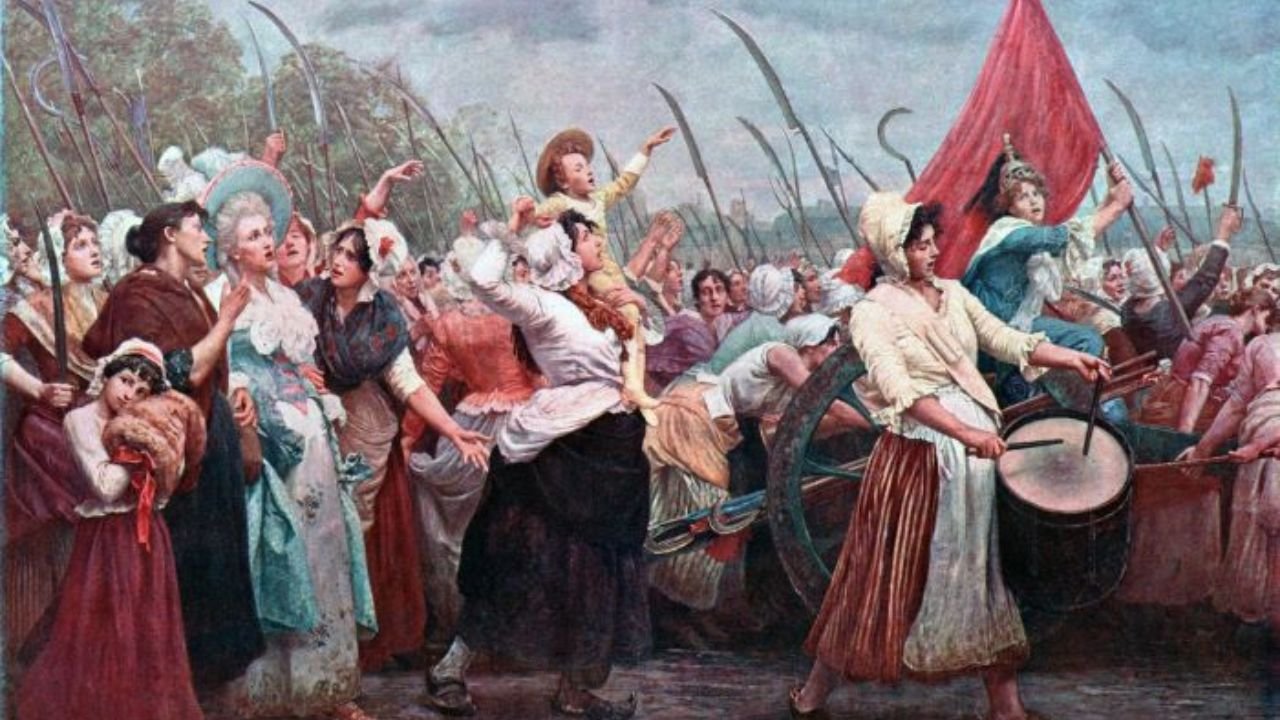
Art has played a pivotal role in numerous historical revolutions. Whether through literature, visual art, music, or theater, artists have often found themselves positioned as both commentators and active participants in social upheaval. The French Revolution of 1789, for example, was not only a political movement but a cultural one. Artists like Jacques-Louis David used their paintings to convey revolutionary ideals, depicting the rise of the people against the monarchy. Their works acted as propaganda, rallying support for the cause and giving visual form to abstract political concepts.
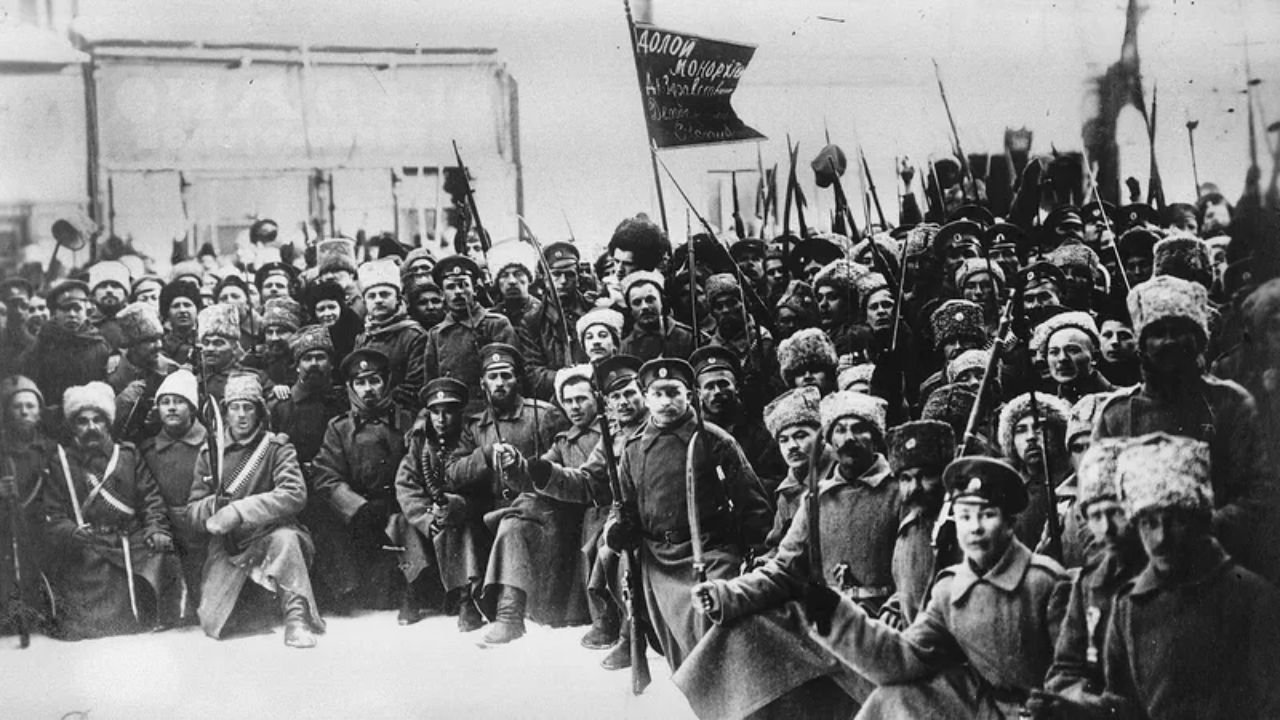
Similarly, during the Russian Revolution of 1917, artists were instrumental in pushing the Bolshevik agenda. The Soviet avant-garde movement, led by figures such as Kazimir Malevich and Vladimir Tatlin, embraced radical art to represent the break from traditional norms. This use of art was not just about aesthetics but about changing the way society thought—art was a tool for shaping the new socialist future.
In more recent history, the role of art in revolution has evolved but remains just as powerful. The anti-apartheid movement in South Africa, for instance, was not only fought in the streets but also through music, theater, and visual art. The music of Miriam Makeba and Hugh Masekela became anthems of resistance, while visual artists like the “Black Consciousness Movement” used art to depict the harsh realities of apartheid and encourage resistance through a cultural lens.
Art as a Catalyst for Political Change
The idea of art as a catalyst for political change is not limited to traditional forms of protest. In fact, in many contemporary movements, art is often used as a way to bypass the traditional channels of political discourse and reach a broader audience. Street art, for example, has become one of the most powerful forms of political expression in the 21st century. Banksy, a well-known British street artist, has used his graffiti to comment on issues ranging from war to consumerism. His works challenge the status quo, question social norms, and engage viewers in deep reflection about societal values.
The use of art in the streets reflects the accessibility of protest art. Unlike gallery pieces, street art is free and accessible to everyone, democratizing the message of resistance. In the Arab Spring, graffiti became a powerful method of communication, used to spread messages of defiance against oppressive regimes. The walls of Tunisia, Egypt, and Syria were transformed into canvases for revolution, with artists using spray paint to signal rebellion, spread resistance messages, and unite people under a common cause.
Art and Identity: Empowering Marginalized Groups
One of the most profound ways in which art sparks revolution is by giving voice to marginalized groups. Historically, the arts have allowed oppressed communities to share their stories, assert their identity, and challenge the cultural narratives that silence them. The Harlem Renaissance, for example, was a cultural revolution in the 1920s that not only showcased African American artists, poets, and musicians but also redefined the cultural identity of Black Americans. Writers like Langston Hughes and Zora Neale Hurston, and musicians like Duke Ellington, used their craft to reclaim their place in American society and challenge racial injustice.
In more recent times, movements such as #BlackLivesMatter have utilized art to continue this fight for visibility and justice. Protest signs, digital art, and even fashion have become ways to communicate the ongoing struggles of marginalized communities. Art becomes a method of resistance and empowerment, helping individuals from disenfranchised communities assert their worth and demand recognition.
Music as a Revolutionary Force
Perhaps no other form of art has had such a far-reaching impact on revolution as music. From protest songs to national anthems, music has the power to unite people, inspire action, and challenge oppressive systems. The civil rights movement in the United States was heavily influenced by gospel music and protest songs like “We Shall Overcome,” which became an anthem of hope and defiance.
In Latin America, music has long been intertwined with political movements. The Nueva Canción (New Song) movement, which emerged in the 1960s and 1970s, used music to critique imperialism and dictatorship, giving voice to the struggles of the working class. Artists like Victor Jara and Mercedes Sosa became the voice of resistance, their songs not only documenting the pain of the people but also offering a call to action.
Digital Art and the Future of Revolutionary Movements
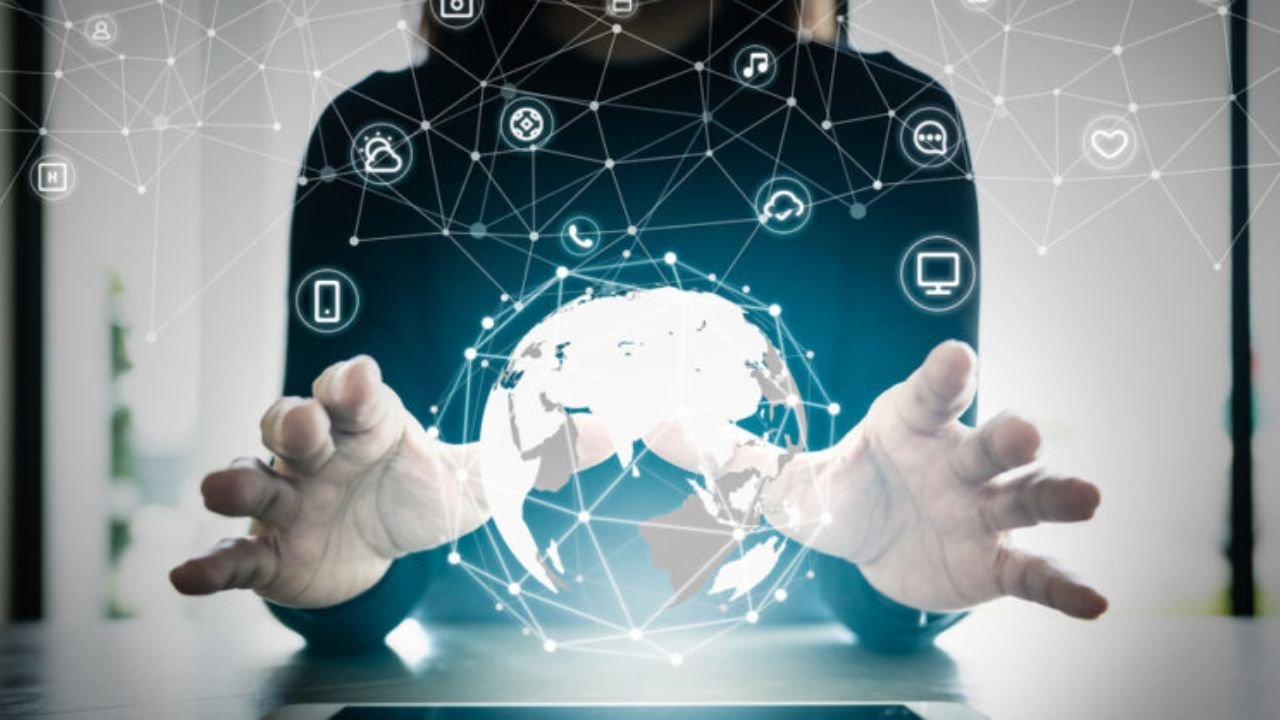
As technology advances, the ways in which art contributes to revolution continue to evolve. Digital art, including memes, videos, and online movements, has become an increasingly important tool for political change. The power of viral content can shape public opinion, mobilize groups, and challenge political regimes.
One of the most notable examples of digital art driving revolution is the use of memes during the 2011 Occupy Wall Street movement. Memes quickly spread across the internet, offering a mix of humor and protest that captured the frustrations of a generation. This ability to create and spread art on a mass scale in an instant has redefined how political movements operate. Art is no longer confined to galleries or protests; it has become a viral force capable of influencing millions of people.
Conclusion: Art as a Form of Resistance
The relationship between art and revolution is undeniable. From paintings to songs, to street art and memes, culture has always sparked change, challenging authority and offering new ways to imagine a just world. Art empowers marginalized groups, fosters solidarity, and ignites passions that drive societal transformation.
In times of political unrest, it is the artist who often leads the charge, using their craft to shape the revolution. Whether through a powerful protest song, a viral image, or a dramatic performance, the arts have the power to revolutionize society, change minds, and inspire action.
As we continue to confront global challenges, the role of the artist as a revolutionary figure will remain crucial—capturing the human spirit’s capacity for resistance and its unwavering hope for a better futurre.