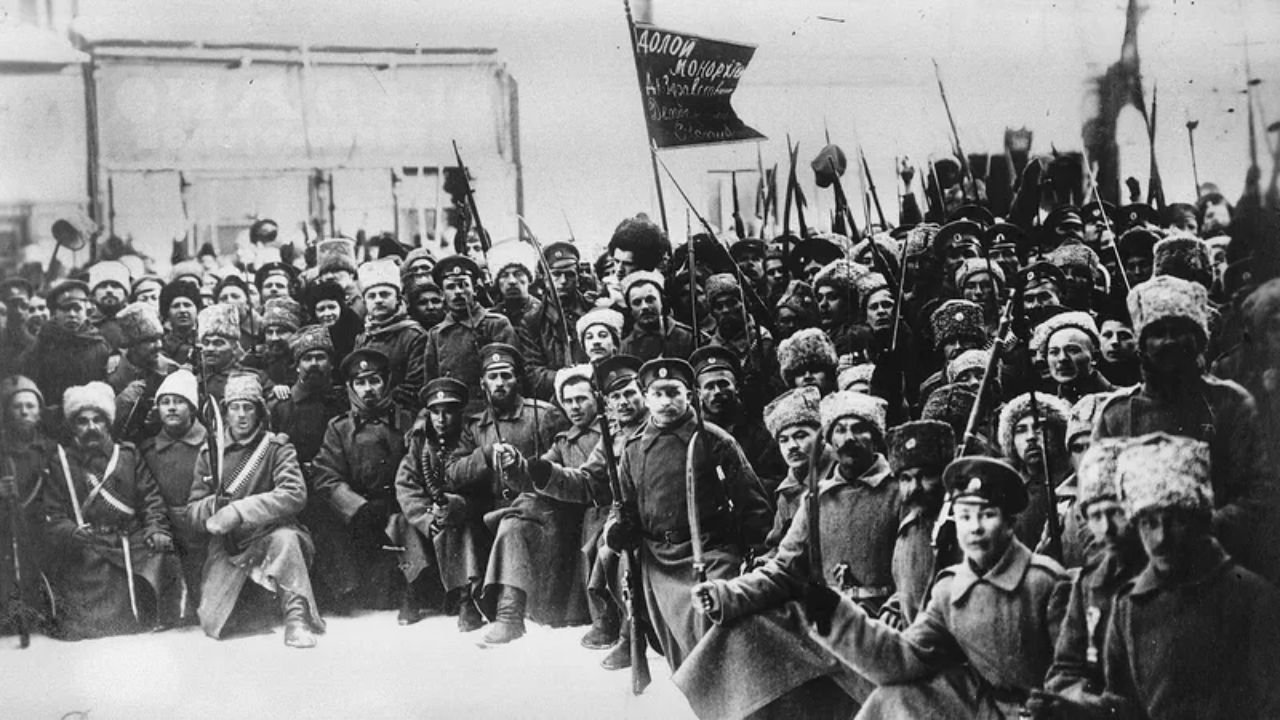
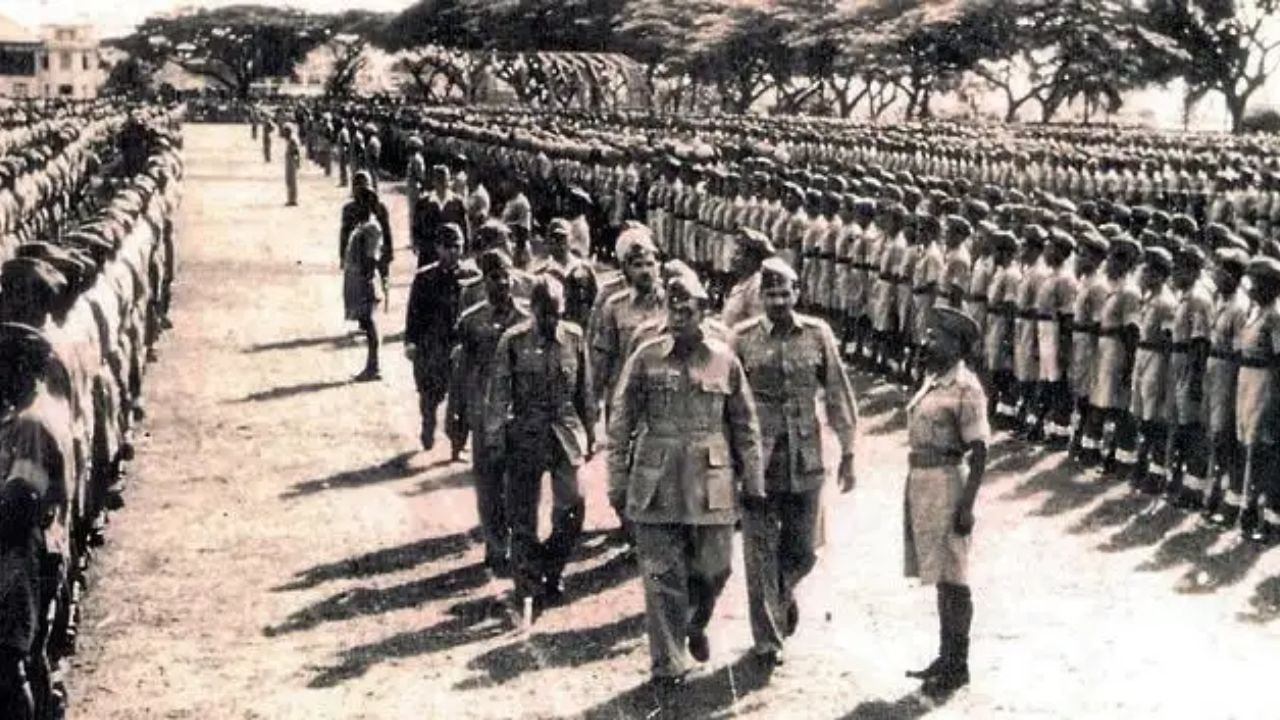
Oppression is a social phenomenon that involves the systematic mistreatment of individuals or groups based on characteristics such as race, gender, class, sexual orientation, and other identity markers. The process by which these systems of oppression are created, reinforced, and sustained is both complex and multifaceted. It involves historical, cultural, political, and economic forces that interact to create lasting inequalities within society. Understanding how these systems are built and maintained is crucial for dismantling them and working towards a more equitable society.
The Historical Foundations of Oppression
Systems of oppression often have deep historical roots. Many of the injustices faced by marginalized groups today can be traced back to colonialism, slavery, and imperialism. These systems were explicitly designed to dehumanize and exploit certain groups of people for economic, political, and social gain.
For instance, the transatlantic slave trade not only brutalized African people but also established a racial hierarchy that persists today. Colonial powers systematically subjugated Indigenous populations to steal resources and establish control over territories, leaving a legacy of disenfranchisement and dispossession that continues to affect Indigenous communities. These early systems of oppression created structures that were designed to privilege certain groups while subordinating others, setting the stage for enduring inequalities.
Institutionalized Discrimination
One of the primary ways that oppression is maintained is through institutionalized discrimination. This occurs when systems, structures, and policies in institutions—such as education, the criminal justice system, healthcare, and the workforce—disadvantage certain groups based on their identity.
Racial discrimination in policing and the justice system is a prime example. Studies have shown that Black and Latino individuals are more likely to be arrested, charged, and sentenced more harshly than their white counterparts for the same offenses. Similarly, women and gender-nonconforming individuals often face discrimination in the workplace, with unequal pay and fewer opportunities for advancement. This type of discrimination isn’t always overt, but rather embedded in the policies, practices, and cultural norms of institutions.
Through these institutional structures, oppression becomes normalized, and inequality becomes an expected part of daily life for marginalized groups. The persistence of these systems is evident in the disproportionate outcomes experienced by certain communities, such as higher incarceration rates, lower educational attainment, and higher poverty levels.
Cultural Norms and Ideologies
Cultural ideologies play a central role in reinforcing systems of oppression. These ideologies shape how we view and treat others based on race, gender, class, and other factors. For example, the ideology of white supremacy, which claims that white people are superior to others, has been deeply ingrained in many societies, especially in the United States. This ideology not only justifies violence and discrimination but also supports the economic and social systems that maintain white dominance.
Similarly, patriarchal norms have historically positioned men as the primary decision-makers and breadwinners, relegating women to secondary roles. These ideologies are perpetuated through media, education, religion, and other cultural institutions, which often portray certain groups as less capable or deserving of equality. These cultural narratives reinforce stereotypes and biases that shape the behaviors and attitudes of individuals and communities, further entrenching systems of oppression.
Economic Systems and Class Hierarchies
Economic systems are another powerful tool in sustaining oppression. Capitalism, for instance, has played a significant role in creating and perpetuating class hierarchies. By concentrating wealth and power in the hands of a few, capitalism maintains a system where the majority of people are economically dependent and vulnerable. Marginalized communities, such as people of color, immigrants, and women, often find themselves disproportionately represented in low-wage, insecure jobs, making it difficult for them to achieve upward mobility.
The exploitation of labor, particularly in industries like agriculture, manufacturing, and domestic work, has historically been used to keep marginalized groups in poverty while enriching the elites. In many cases, economic systems are designed to perpetuate these disparities by denying access to education, healthcare, and wealth-building opportunities to those who need it most.
Political Power and Control
Political power is another key factor in sustaining systems of oppression. Those in positions of power—whether in government, corporations, or other influential institutions—often create laws, policies, and practices that protect their interests and maintain the status quo. For instance, voter suppression tactics, such as strict ID laws or gerrymandering, disproportionately affect marginalized communities and prevent them from fully participating in democratic processes.
The political system often works hand-in-hand with economic and cultural systems to uphold the interests of the elite. Legislation that benefits wealthy individuals and corporations, while leaving working-class communities to fend for themselves, is a stark example of how political power is used to sustain inequality. Furthermore, political rhetoric often reinforces divisions among marginalized groups, making it harder for them to unite and demand change.
Psychological Mechanisms and Internalized Oppression
Oppression is not just external; it also has an internal psychological component. Internalized oppression occurs when individuals from marginalized groups begin to accept and adopt the negative stereotypes and attitudes directed at them. This can manifest in various ways, such as individuals feeling unworthy or incapable of achieving success or believing that they deserve to be treated as inferior.
Internalized oppression is particularly insidious because it can prevent individuals from challenging oppressive systems. It also makes it more difficult for marginalized groups to unite in their struggle for justice, as they may be divided by feelings of inferiority, shame, or self-doubt.
Resisting Systems of Oppression
Although systems of oppression are powerful and deeply entrenched, they are not unchangeable. Resistance to oppression has existed for as long as these systems have been in place. Whether through organized protest, community-building efforts, legal challenges, or cultural transformation, marginalized communities have continuously fought to dismantle the systems that oppress them.
The Civil Rights Movement in the United States, the anti-apartheid movement in South Africa, and the global feminist and LGBTQ+ rights movements all provide examples of how systemic oppression can be challenged and changed. These movements remind us that while systems of oppression are resilient, they are not invincible.
Conclusion: The Need for Collective Action
Understanding how systems of oppression are built and sustained is essential for creating lasting change. These systems are not only embedded in our institutions, laws, and cultures—they also shape our minds and identities. To dismantle these systems, we must not only challenge the policies and practices that uphold them but also confront the ideologies, economic structures, and cultural narratives that perpetuate them.
As we work to build a more just and equitable society, it is crucial to recognize the interconnected nature of oppression and resistance. Collective action—whether through protests, legal challenges, or cultural shifts—remains our most powerful tool in dismantling these systems and creating a world where all people can thrive.
Call to Action:
Systems of oppression may be deeply rooted, but they can be dismantled through collective action and shared commitment to justice. Share your thoughts on how we can work together to challenge these systems, and visit mpmr.org for more articles on the fight for equality and justice.