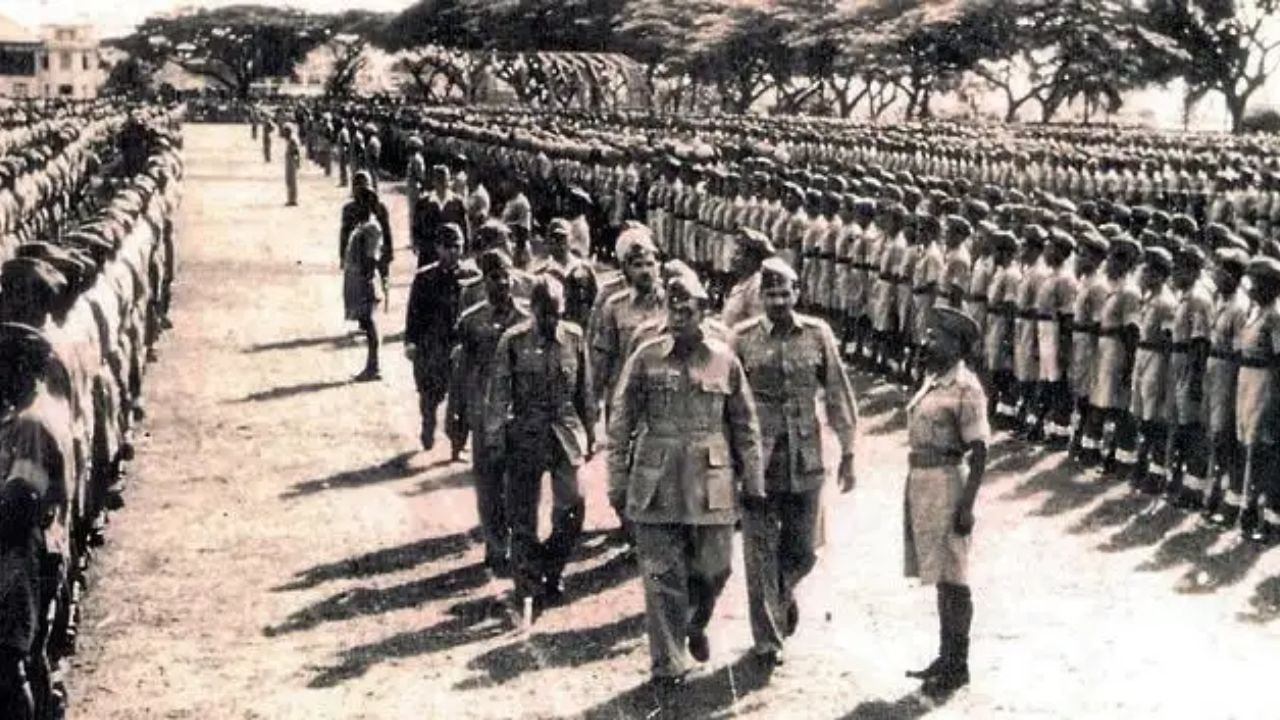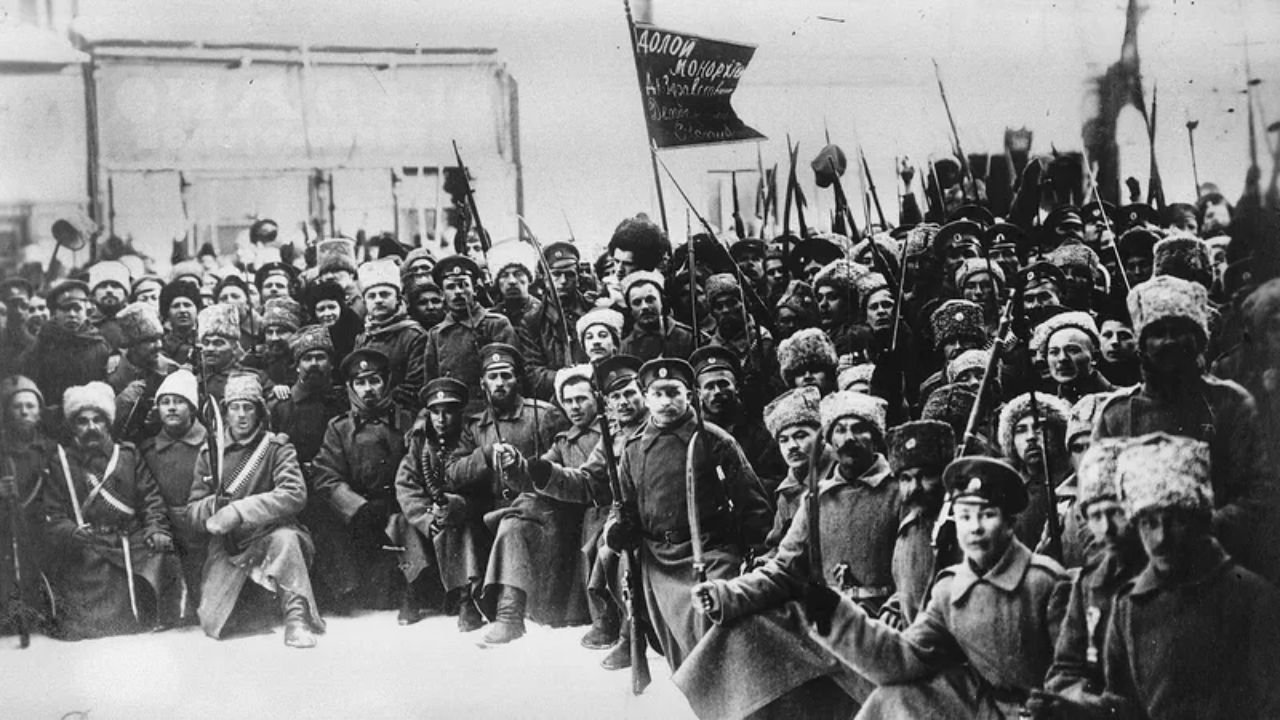
Revolutions rarely begin with sudden upheaval; they are often the result of long-standing grievances, organized dissent, and a gradual escalation of action. Understanding the phases of revolution—from peaceful civil disobedience to outright violent uprising—is critical for both activists and scholars studying social change. These phases reveal the strategies, motivations, and pressures that push societies toward dramatic transformation.
This article explores the progression of revolutionary movements, highlighting why nonviolent protest is often the foundation of resistance and how, under certain conditions, it can escalate into violent confrontation.
The Roots of Civil Disobedience
Most revolutionary movements start with civil disobedience—nonviolent actions aimed at challenging unjust laws or policies. This phase is often characterised by protests, strikes, boycotts, and symbolic acts of resistance. Civil disobedience serves several purposes:
- Raising Awareness: Peaceful protests attract media attention and educate the public about the issues at stake.
- Building Unity: Nonviolent campaigns allow broad participation, including those who would not engage in violent resistance.
- Testing the System: Early actions gauge the responsiveness of authorities, helping activists refine strategies.
Historical examples of this phase include Mahatma Gandhi’s Salt March in India and the civil rights sit-ins in the United States. Both movements relied on collective, disciplined nonviolent action to draw attention to systemic injustice while minimizing immediate risks to participants.
Escalation: Strategic Noncompliance and Disruption
When civil disobedience fails to prompt change, movements often escalate to more disruptive, but still nonviolent, strategies. This includes mass strikes, economic boycotts, and civil resistance campaigns that aim to interrupt normal societal functions to pressure authorities.
This phase highlights the balance between moral legitimacy and effectiveness. Disruptive actions increase stakes and visibility, but maintaining nonviolent discipline is crucial. Violence at this stage can delegitimize the movement and alienate potential allies.
For instance, during the anti-apartheid struggle in South Africa, mass strikes and coordinated protests played a pivotal role in demonstrating the depth of opposition to systemic oppression without immediately resorting to violence.
The Conditions That Trigger Violent Uprising
Violent uprisings typically emerge when systemic oppression persists, state violence intensifies, or peaceful avenues for change are blocked. This phase is characterized by riots, armed resistance, and sabotage. While violent resistance is often portrayed as chaotic, it is usually a calculated response to structural constraints and repression.
Key triggers include:
- State Repression: Use of force, mass arrests, or targeted violence against activists often escalates tensions.
- Socioeconomic Pressure: Widespread poverty and inequality can increase frustration and mobilize larger groups toward violent action.
- Loss of Faith in Institutions: When citizens believe that peaceful protest cannot effect change, radical measures may be seen as the only option.
The French Revolution provides a historical example, where early nonviolent protests gradually escalated into violent uprisings against monarchy due to persistent inequality and systemic failures.
The Dynamics of Transition Between Phases
Understanding the shift from civil disobedience to violent uprising involves analyzing both internal and external dynamics. Internally, leadership decisions, group cohesion, and collective psychology influence whether a movement maintains nonviolence or turns to aggression. Externally, the response of authorities, media framing, and international attention can either reinforce peaceful strategies or trigger radical escalation.
Research shows that movements that carefully maintain nonviolent discipline often succeed more sustainably. Studies from Erica Chenoweth and Maria J. Stephan highlight that nonviolent campaigns are twice as likely to achieve their objectives compared to violent revolutions. Yet, when systemic barriers are extreme, violent escalation becomes a common, though risky, path.
Lessons for Modern Activism
Modern revolutionary movements, from environmental protests to pro-democracy uprisings, can learn from historical phases of revolution:
- Start with Education and Awareness: Build a strong base through public engagement and storytelling.
- Plan Strategic Noncompliance: Escalate pressure methodically while maintaining moral legitimacy.
- Monitor State Response: Gauge whether authorities are receptive or oppressive to guide next steps.
- Consider Long-Term Consequences: Violent uprisings may bring immediate attention but can also create cycles of retaliation and societal destabilization.
The Arab Spring demonstrates how quickly movements can transition from civil disobedience to violent confrontation, underscoring the importance of strategic planning and adaptability.
Conclusion: Understanding Revolution as a Process
Revolutions are complex, multi-phase processes rather than singular events. From disciplined civil disobedience to strategic escalation and, in some cases, violent uprising, each stage offers insights into how societies confront injustice. By understanding these phases, activists, policymakers, and scholars can better anticipate outcomes, mitigate risks, and support sustainable change.
Documenting and studying these phases ensures that history informs current and future movements, helping societies navigate the delicate balance between resistance and constructive transformation.
To explore more in-depth analyses of social movements, resistance, and revolutionary strategies, visit mpmr.org. Share your insights and experiences in the comments below to continue the conversation on effective activism and social change.