Propaganda has been a crucial tool in shaping the narratives, mobilizing support, and influencing public perception throughout the history of revolutionary movements. From pamphlets distributed in secret societies to modern digital campaigns on social media, propaganda works as a mechanism to consolidate ideas, encourage action, and challenge existing power structures. Understanding its role provides insight into both the successes and failures of revolutionary efforts.
Defining Propaganda and Its Revolutionary Context
Propaganda is a strategic form of communication aimed at influencing attitudes, beliefs, or behaviors to achieve political, social, or ideological goals. In revolutionary movements, propaganda serves multiple purposes: it motivates supporters, undermines opponents, and frames the narrative to garner both domestic and international support.
Unlike mere political messaging, revolutionary propaganda often employs emotionally charged content, symbolism, and repetition to establish a strong identity for the movement and vilify opposing forces. Historical examples, from the French Revolution to anti-colonial uprisings, demonstrate how critical messaging is in galvanizing mass participation.
Historical Examples of Revolutionary Propaganda
The French Revolution (1789–1799) relied heavily on pamphlets, posters, and newspapers to spread revolutionary ideals. These materials simplified complex political theories into digestible messages, rallying the common people to challenge monarchy and feudal privileges. Slogans like “Liberty, Equality, Fraternity” exemplified how concise, repeated messaging could unify a diverse population under a single revolutionary identity.
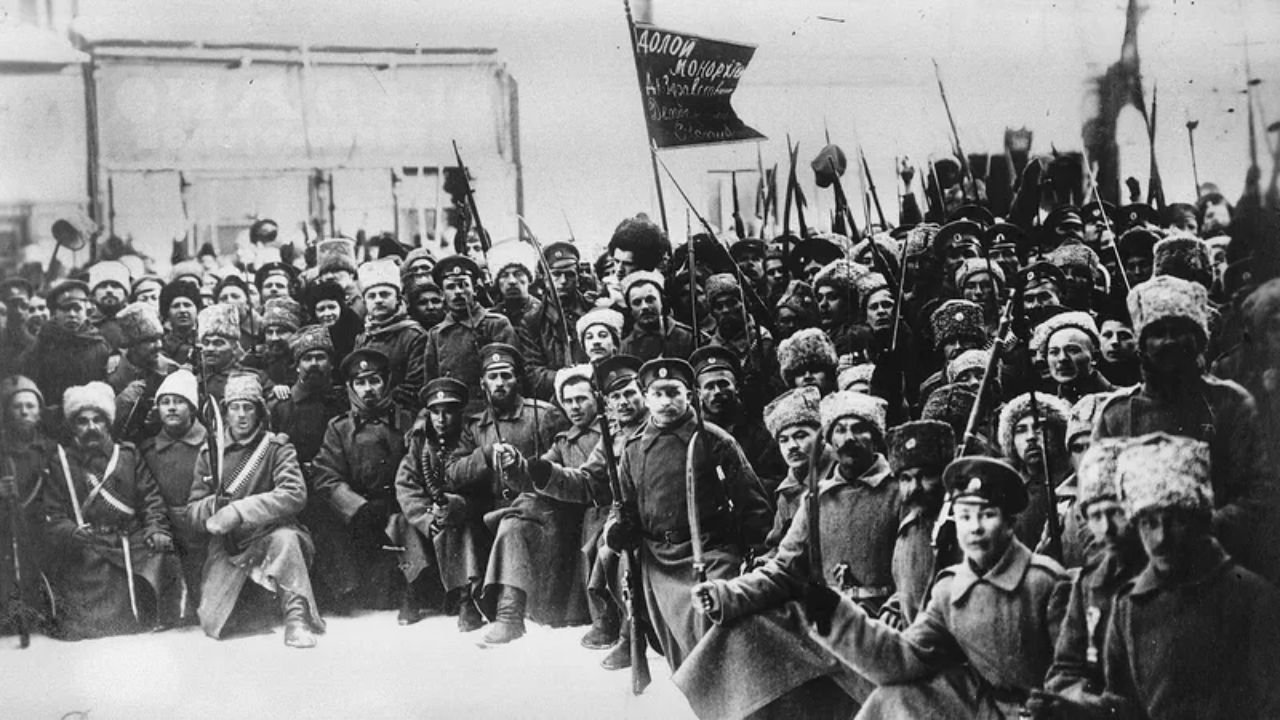
Similarly, during the Russian Revolution of 1917, the Bolsheviks utilized propaganda to highlight the failures of the Provisional Government, emphasizing themes of social inequality and class struggle. Posters, leaflets, and public speeches framed the Bolsheviks as champions of workers and peasants, ultimately contributing to widespread support for the revolution.
Mechanisms of Propaganda in Revolutions
Propaganda in revolutionary movements typically functions through several mechanisms:
- Emotional Appeal: By invoking fear, hope, or anger, propaganda creates a sense of urgency. For instance, highlighting state violence against civilians can mobilize citizens to support revolutionary action.
- Symbolism: Flags, logos, and iconic imagery unify movements and create a sense of belonging. Visual symbols can transcend language barriers and become powerful tools in rallying public sentiment.
- Information Control: Revolutions often manipulate available information to create a favorable perception of the movement while undermining opponents. Selective reporting, storytelling, and framing are common tactics.
- Repetition and Simplification: Key messages are repeated consistently to reinforce ideas and reduce cognitive complexity, making complex ideologies accessible to the general public.
Modern Propaganda: The Digital Age
In contemporary movements, propaganda has evolved to leverage digital platforms. Social media, video content, and viral messaging allow revolutionary ideas to spread faster and further than ever before. The Arab Spring (2010–2012) highlighted the use of Facebook, Twitter, and YouTube as tools to expose government abuses, coordinate protests, and maintain international attention.
While modern digital propaganda offers unprecedented reach, it also introduces challenges. Misinformation, echo chambers, and algorithmic biases can distort revolutionary narratives, making it difficult for movements to control their message fully. Nonetheless, successful campaigns continue to integrate digital strategies with traditional grassroots organizing to maximize impact.
Ethical Considerations of Propaganda
While propaganda is an effective tool for mobilization, it also raises ethical questions. Manipulating emotions and selectively presenting information can lead to misinformation or escalate violence. Revolutionary leaders must balance persuasive messaging with transparency to maintain credibility and avoid long-term negative consequences.
Additionally, propaganda often targets specific demographics, potentially excluding or misrepresenting other voices. Ensuring inclusivity and maintaining an ethical standard in messaging is crucial for movements aiming to achieve legitimate societal change.
The Strategic Role of Propaganda in Outcomes
Revolutionary propaganda can determine the outcome of movements by shaping public perception, maintaining morale, and legitimizing the cause. Effective messaging ensures sustained participation and can influence international support, which is critical for movements operating under oppressive regimes. Historical and contemporary evidence shows that revolutions with coordinated propaganda strategies are more likely to succeed in mobilizing populations and achieving their objectives.
Conclusion: Propaganda as a Revolutionary Instrument
The role of propaganda in revolutionary movements cannot be overstated. It acts as a unifying force, a motivational tool, and a strategic instrument to challenge established powers. Whether through print, visual imagery, or digital media, propaganda shapes perceptions, galvanizes action, and preserves the ideological narrative of the movement. Understanding its mechanisms, ethical implications, and historical significance offers invaluable insight into the dynamics of revolutionary change.
Revolutionary movements are shaped not only by actions but by the stories told about them. Explore more insights, histories, and analyses of resistance and social change by visiting mpmr.org. Share your perspectives in the comments below—how do you think propaganda shapes modern activism?