Revolutions, by nature, are profound and transformative events that seek to overturn established systems of power, whether they be political, economic, or social. At the heart of these movements often lies the military, an institution traditionally associated with the state’s power but frequently co-opted by revolutionary forces to challenge oppressive regimes. The role of the military in these movements is complex, multifaceted, and essential, as it can either act as a stabilizing force for the established order or as a catalyst for radical change.
In this article, we will explore the various ways the military plays a role in revolutionary movements, from its direct involvement in warfare to its influence on the political and ideological direction of the revolution itself.
Military as a Catalyst for Revolution
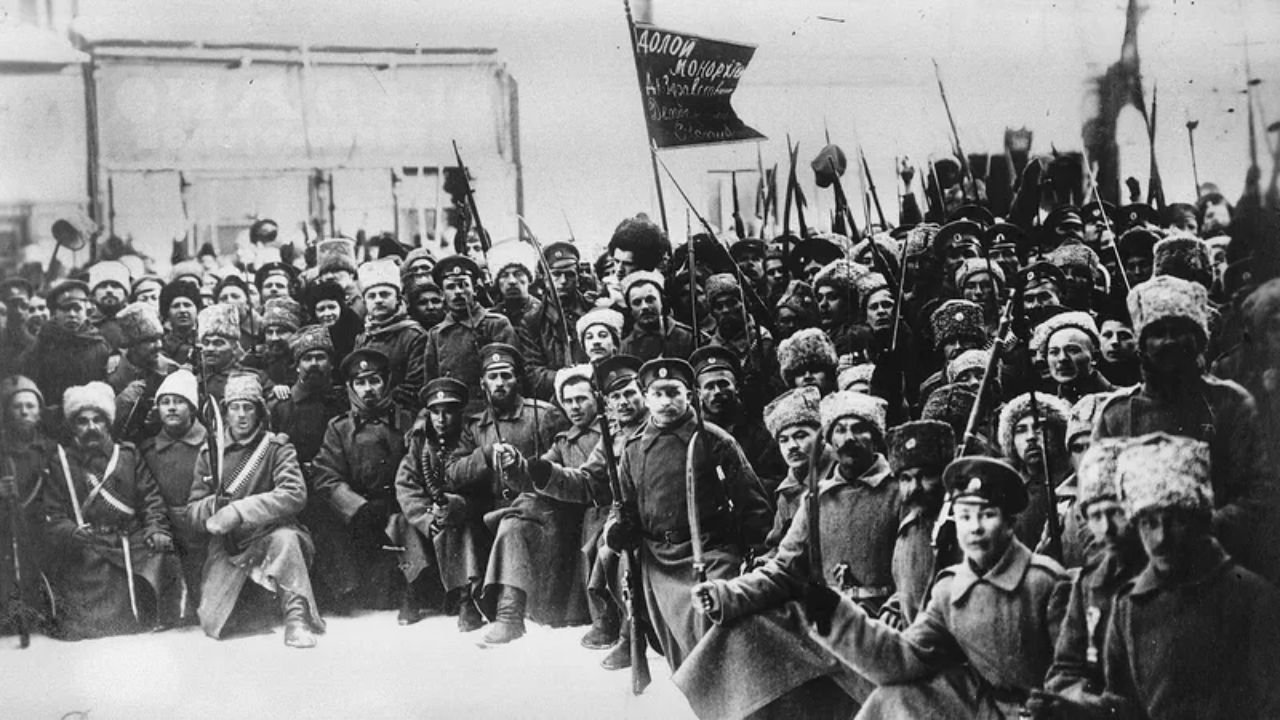
The military has often served as one of the primary vehicles for revolutionary change, especially when it is able to detach from the existing state apparatus and realign with the revolutionaries. In many cases, military factions within an oppressed state will defect, abandoning their loyalty to the ruling regime in favor of the revolutionary cause. One of the most famous examples of this dynamic is the Russian Revolution of 1917, where segments of the army, especially soldiers disillusioned with World War I, defected to the Bolshevik side and became a crucial part of the success of the revolution.
A similar pattern occurred in China during the Chinese Civil War (1927-1950), where the Chinese Red Army, originally founded by the Communist Party, played a central role in defeating the Nationalist forces (Kuomintang). Military support allowed revolutionary leaders like Mao Zedong to challenge and ultimately overthrow the established government.
In these instances, the military acts not just as a force of violence but as an ideological backbone, providing legitimacy and strength to the revolutionary movement.
Military as the Protector of Revolutionary Ideals
Once a revolution is underway, the military’s role does not end with the overthrow of the old regime. In many instances, the military becomes the institution tasked with protecting the new ideals and securing the revolution’s success in the face of internal and external threats. After the Cuban Revolution in 1959, for example, Fidel Castro relied on the Cuban military to defend the fledgling socialist government from a range of challenges, including U.S. attempts at overthrowing the regime, such as the Bay of Pigs invasion.
In revolutionary movements, the military often becomes a symbol of the revolution itself. For many revolutionary leaders, maintaining the loyalty of the military is essential for keeping their hold on power and ensuring the continuity of their vision. The military serves as both an instrument of suppression against counter-revolutionary forces and a means of projecting the revolution’s power.
The Military’s Role in Counter-Revolution
While the military is often seen as a force for revolutionary change, it can also become a tool of counter-revolution. In situations where a revolution threatens the interests of military elites or where they feel their control over the nation’s apparatus is at risk, the military can serve as the protector of the old regime.
A stark example of this occurred in Egypt during the 2011 Egyptian Revolution. While the Egyptian military initially played a neutral role and even appeared to side with the protestors against Hosni Mubarak, the long-standing military regime ultimately assumed power after Mubarak’s ousting, guiding the country toward a new military-led government. In this case, the military’s role was not to lead the revolution but to hijack it, maintaining the old power structures under a different guise.
Similarly, in many African nations, military coups have been a common method by which revolutionary movements are either diverted or crushed entirely. The military in these instances becomes a force of reversion, using the tools of authoritarianism to restore previous forms of governance.
The Military’s Strategic Influence on Revolution
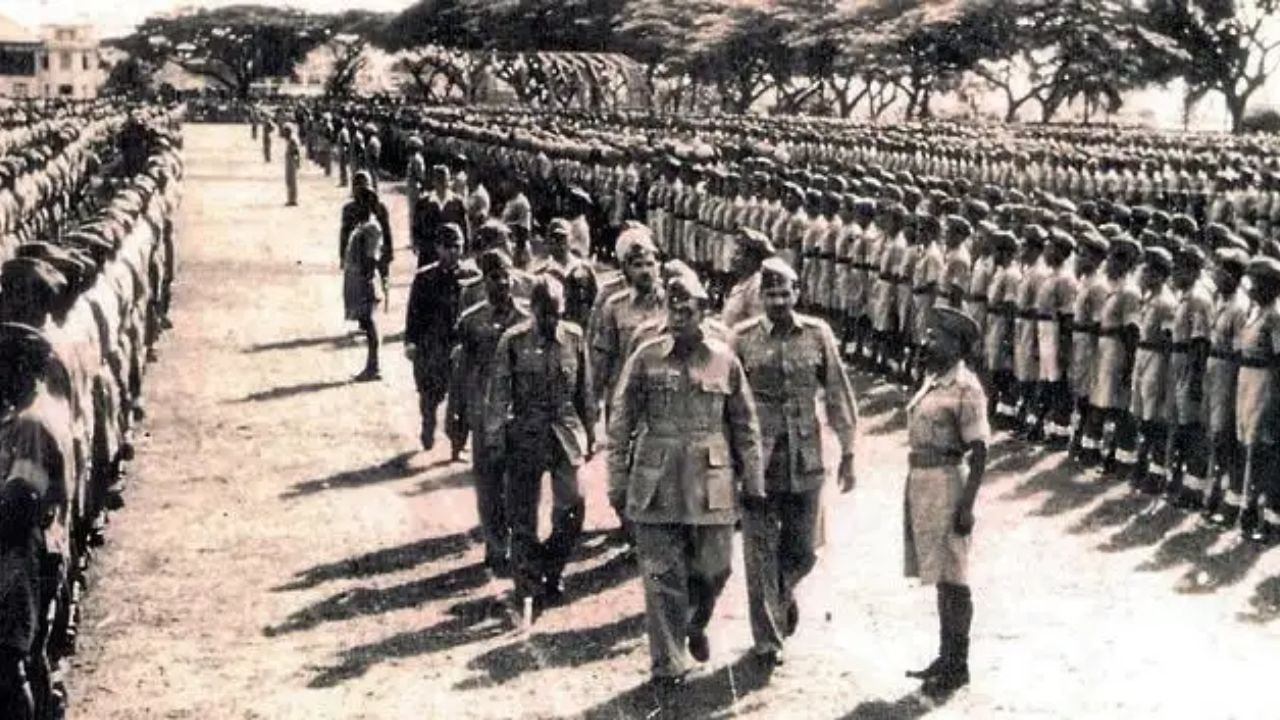
One of the most crucial aspects of the military in revolutionary movements is its strategic influence. A well-organized and well-funded military can change the outcome of a revolution. Military training, discipline, and infrastructure are essential elements that can bolster revolutionary forces and increase their chances of success. Furthermore, military leaders often come with their own political ideologies and aspirations, which can shape the direction of the revolution itself.
In the Vietnam War, the military not only fought the United States but also acted as the ideological vanguard of the Viet Cong and the North Vietnamese Army, driven by a vision of anti-imperialism and communism. This military leadership brought structure to the revolution and its fight for independence, not just from colonial forces but from capitalist imperialism as well.
On the other hand, the military’s leadership can also shift the political trajectory of the revolution, depending on how military leaders view the broader political landscape. As we saw in Myanmar’s 2021 coup, the military was able to upend a relatively young democracy, overthrowing the civilian government in favor of military rule. In this instance, the military did not lead a revolution for the people, but rather against a democratically-elected government.
The Military’s Influence on Ideology and Legitimacy
Finally, the military’s involvement in a revolutionary movement can shape the movement’s ideology and legitimacy. A revolution that is led or heavily supported by the military is often viewed with suspicion, as it raises questions about the nature of the leadership and its commitment to true societal change. In many revolutionary movements, the military’s influence may give the revolution an air of legitimacy, especially when the military is perceived as a protector of the nation and its people.
However, the heavy involvement of military figures in revolution often leads to the militarization of the society itself, potentially leading to authoritarian regimes where the military becomes the principal arbiter of national life, as seen in Latin America during the 20th century. The ideological focus of a revolution can sometimes shift from social justice and equality to nationalistic or militaristic goals, altering the original intent of the movement.
Conclusion: The Dual Role of Military in Revolution
The military’s role in revolutionary movements is undeniably complex. It can serve as a protector of ideals, a force for change, or a tool for maintaining the status quo. Whether military forces are supporting a revolution, leading it, or acting against it, their impact on the outcome of the movement cannot be overstated.
In the end, the military’s influence on a revolution reflects the broader tensions between the need for stability, the desire for change, and the complex power dynamics that exist within any society. As history has shown, military involvement in revolutionary movements can be both a force for liberation and a tool of repression.