Revolutionary movements have always been fueled by the desire for change, justice, and freedom. These movements—whether political, social, or cultural—are deeply rooted in the psychology of those who lead and participate in them. Understanding this psychology is crucial to grasping why revolutions occur, how they evolve, and what impact they have on societies. In this article, we will dive into the psychological underpinnings of revolutionary movements and explore the key factors that drive individuals to participate in the fight for transformation.
The Role of Collective Identity in Revolution
At the heart of any revolution is the concept of collective identity. This is the shared sense of belonging and common purpose that binds individuals together in the pursuit of a common cause. It’s a psychological force that transforms isolated individuals into a united group with a singular goal.
Revolutionary movements often begin when a group of people feels marginalized, oppressed, or disenfranchised. The shared experience of injustice leads them to identify not just with each other, but with the collective identity of the revolution itself. For example, in the case of the French Revolution, the rallying cry for liberty, equality, and fraternity unified people from all walks of life—peasants, workers, and intellectuals alike. This collective identity allowed them to challenge centuries of entrenched power, with each protester believing that they were part of a historic transformation.
This powerful sense of unity and belonging is what fuels movements and keeps them alive, even when progress seems slow or resistance grows stronger. The individual sacrifices become less about personal cost and more about being part of something larger—a shared mission for change.
The Role of Perceived Injustice
The psychology of perceived injustice plays a pivotal role in sparking revolutionary movements. When individuals or groups feel that they are being unjustly treated, especially when this treatment is consistent and systemic, the psychological effect can be profound. People begin to feel a sense of anger, frustration, and helplessness, which eventually boils over into collective action.
Psychologist Albert Bandura’s concept of moral disengagement explains how individuals who engage in revolutionary movements often rationalize or distance themselves from the moral implications of their actions. Faced with systemic oppression, participants might feel justified in using extreme measures, such as violence or sabotage, to rectify what they see as an imbalance of power.
For example, during the American Civil Rights Movement, the deep-rooted psychological trauma caused by segregation and discrimination led to organized acts of resistance. The feeling of disenfranchisement from the political system pushed many African Americans to rise up against the oppressive status quo, using non-violent protests, sit-ins, and marches as tools to challenge racial inequality.
The Frustration-Aggression Hypothesis
The frustration-aggression hypothesis is another psychological principle often seen in revolutionary movements. This theory suggests that frustration leads to aggression when an individual is unable to achieve their desired goals due to an external blockage, such as oppressive political systems, economic inequality, or social injustice.
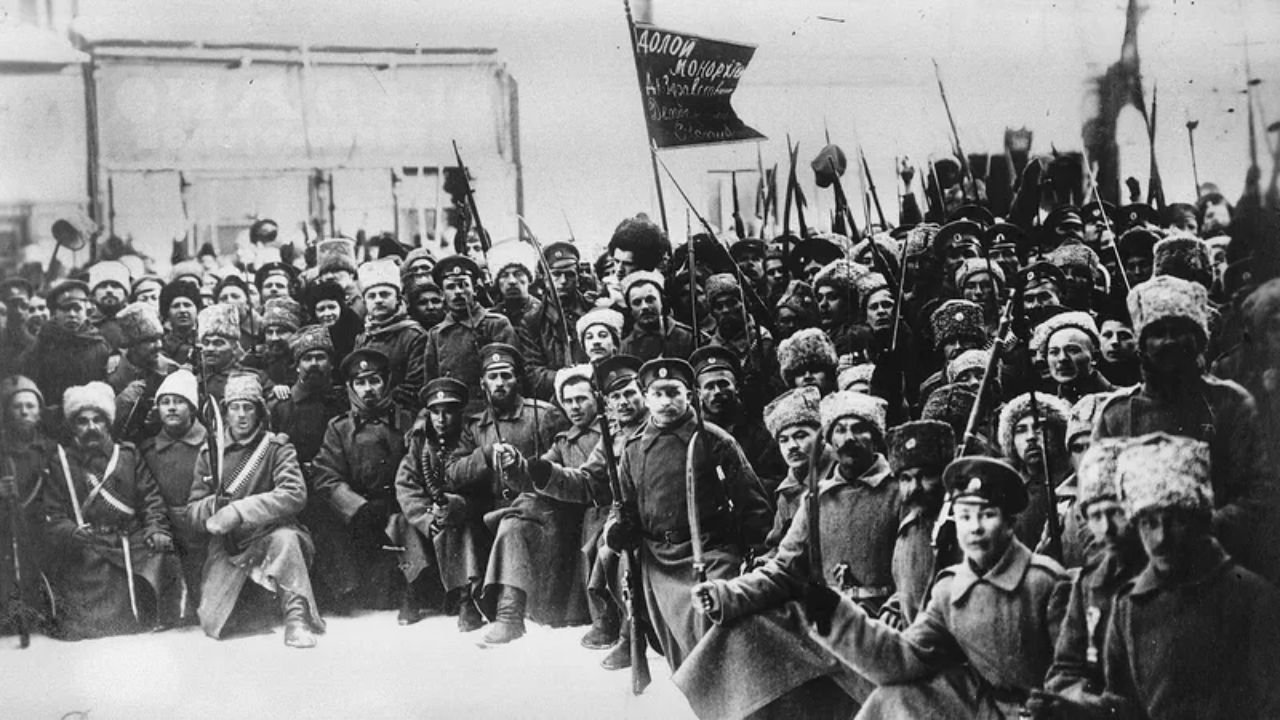
When people experience prolonged frustration—especially when they perceive that their grievances are ignored or suppressed—it can lead to heightened anger and a desire to change their circumstances, sometimes even violently. Historically, revolutions like the Russian Revolution of 1917 were deeply rooted in widespread economic inequality and political oppression. The population’s frustration with their inability to achieve basic needs or aspirations created the conditions necessary for aggression to manifest in the form of violent uprisings.
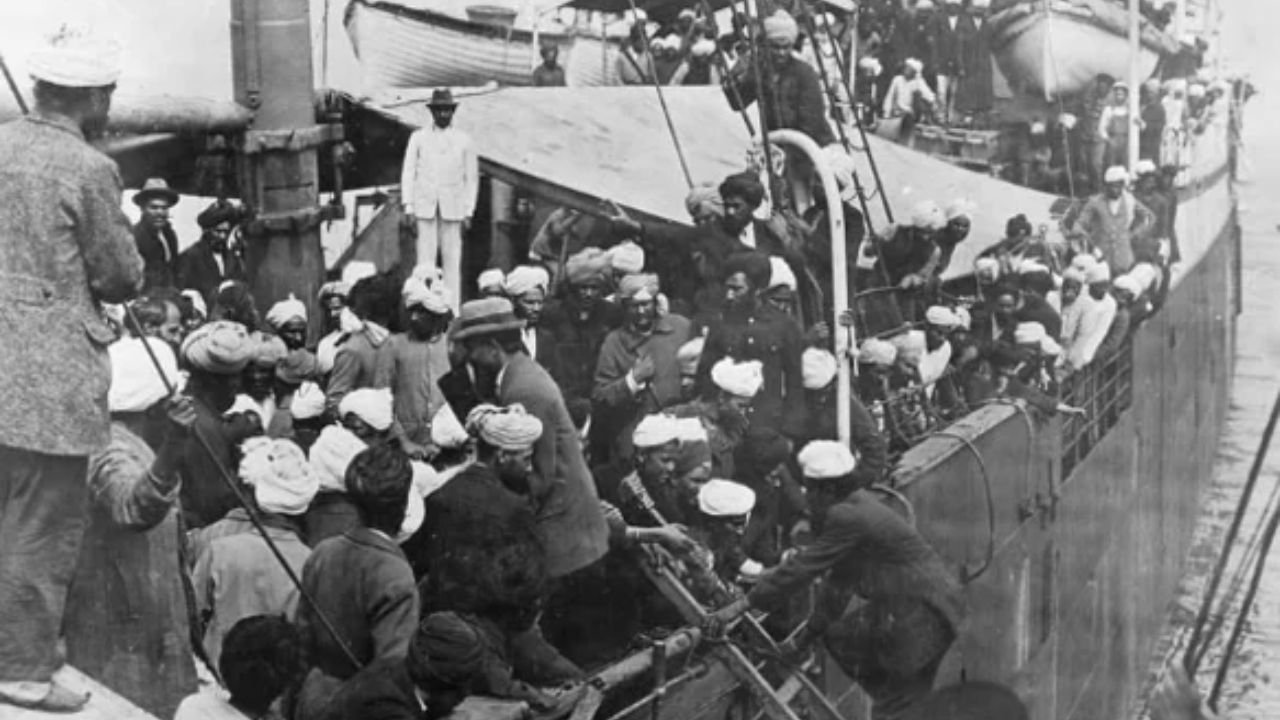
This frustration doesn’t always manifest in violence, though. It can also fuel non-violent revolutions. For instance, in India’s struggle for independence, the combination of frustration with British colonial rule and the psychological desire for freedom spurred non-violent resistance, led by leaders like Mahatma Gandhi.
The Role of Leadership and Charismatic Figures
Another key psychological factor in revolutionary movements is leadership. Charismatic leaders play a critical role in uniting and motivating people to take action. The psychological power of a leader who embodies the collective frustrations and aspirations of the people can’t be overstated.
Leaders like Nelson Mandela, Che Guevara, and Mahatma Gandhi were able to galvanize masses and provide them with a vision of a better future. Their personal conviction, courage, and emotional intelligence made them symbols of the revolution, creating a deep emotional bond with their followers. This connection between leader and followers is often referred to as transformational leadership—the ability to inspire and drive change by connecting deeply with the followers’ emotions and collective identity.
The Dynamics of Revolutionary Groups
Revolutionary movements often form from small groups of like-minded individuals who work together to create change. The group dynamics in these movements are critical to their success. Group psychology can amplify the passion and energy of a few individuals, helping them to push the boundaries of what they thought was possible.
However, group dynamics can also lead to groupthink, where a collective desire for unanimity overrides rational decision-making. Leaders and followers may be driven by emotions like fear and hope, which can distort their judgment and lead them down extreme paths, both in terms of action and rhetoric. This has been seen in various revolutionary movements where extremist factions within the revolution have taken over, leading to internal power struggles or even civil wars.
The Cycle of Revolutionary Change
Finally, the psychology of revolution also revolves around the cycle of revolutionary change. Once a revolution succeeds and new leaders come to power, the very dynamics that once led to the revolt can set the stage for future uprisings. In some cases, the new leadership may betray the ideals that ignited the revolution, leading to disillusionment and the eventual rise of new movements seeking reform.
This cycle—marked by the rise, peak, and potential decline of revolutionary fervor—reflects the ongoing psychological drive for social and political change. Revolutionary movements may not always bring immediate solutions, but they shape the societal mindset and set the stage for future efforts toward progress.
Conclusion
The psychology behind revolutionary movements is complex, rooted in deep emotional, social, and cognitive factors. Collective identity, perceived injustice, frustration, and charismatic leadership all play a crucial role in the initiation, momentum, and success of revolutions. Understanding these psychological factors helps us comprehend why revolutions occur, how they evolve, and the impact they have on society. As history shows, the psychological drive for justice and equality remains a powerful force—one that has the ability to shape nations, communities, and individuals for generations to come.
Call to Action:
Interested in learning more about the psychology of social change and revolutions? Visit mpmr.org for more in-depth articles on movements, resistance, and the psychology of societal transformation. Share your thoughts and experiences in the comments below!