In modern society, corporations have grown beyond their traditional economic roles. While their primary function is to produce goods, services, and profit, their influence increasingly extends into political systems, shaping laws, policies, and governance in ways that impact society at large. Understanding the role of corporations in political systems is crucial to grasp the mechanisms of power, influence, and policymaking in contemporary democracies and beyond.
Corporate Influence on Policy and Legislation
Corporations often exert influence on political decisions through lobbying, campaign financing, and strategic partnerships. Lobbying, the practice of advocating for specific legislative outcomes, allows corporations to directly communicate with lawmakers. Industries like pharmaceuticals, technology, and energy spend millions annually to influence policies that benefit their interests. For example, lobbying efforts can shape tax legislation, environmental regulations, labor laws, or intellectual property rules.
Campaign contributions also serve as a tool for influence. Corporations or their political action committees (PACs) provide financial support to candidates whose platforms align with their business interests. While these contributions are legally regulated in most democracies, the sheer scale of spending in countries like the United States has sparked debates about whether corporate interests can disproportionately sway political agendas.
Strategic partnerships and advisory roles are another avenue through which corporations shape policies. By placing executives or former government officials in advisory positions, corporations gain insight into policy formation and an opportunity to influence decision-making from within the system.
Corporate Power in Regulatory Frameworks
Beyond direct lobbying, corporations influence regulatory frameworks in subtle yet profound ways. Large corporations often have the resources to navigate complex regulatory environments, giving them a competitive advantage over smaller companies. They may fund research or commissions that promote policies favorable to their industry or challenge regulations through legal means.
For instance, fossil fuel corporations have historically funded campaigns questioning climate science or lobbying against strict environmental regulations. Similarly, tech companies have shaped debates around data privacy, surveillance, and antitrust legislation. The ability of corporations to mold regulations to fit their interests underscores their critical role within political systems.
Globalization and Corporate Political Influence
Globalization has amplified the influence of corporations in politics. Multinational corporations operate across borders, leveraging economic power to influence policies in multiple countries simultaneously. International trade agreements, tax regulations, and labor standards are often negotiated with corporate input or lobbying in mind.
The power of global corporations is especially evident in developing countries, where foreign investments can shape national policies. While corporate involvement can drive economic growth, it may also create environments where political priorities favor corporate profit over public welfare.
The Ethical and Democratic Implications
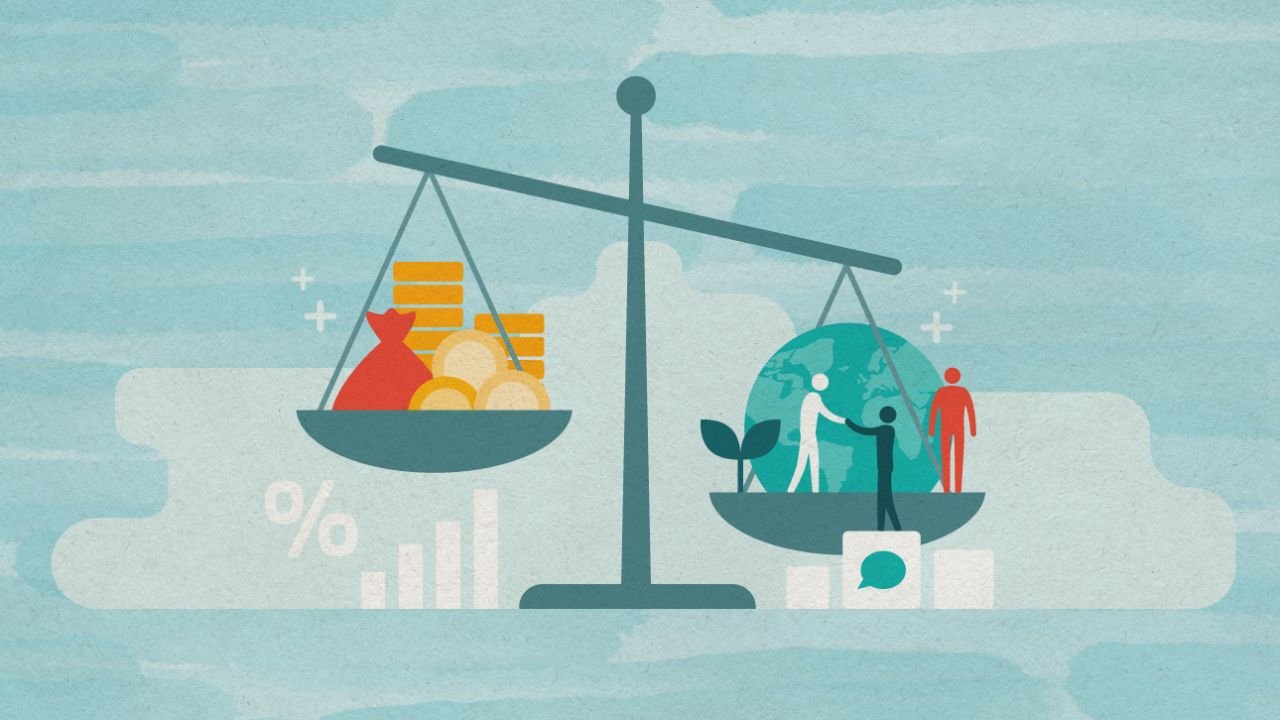
The involvement of corporations in political systems raises ethical questions about the balance between economic power and democratic representation. Critics argue that excessive corporate influence undermines the principle of “one person, one vote,” giving wealthier entities disproportionate control over governance. When legislation and policies are shaped to favor corporate interests, public trust in government can erode, and societal inequalities may deepen.
However, proponents argue that corporations bring expertise, efficiency, and global perspectives that can contribute to informed policymaking. They may introduce innovative solutions, fund research initiatives, or help implement large-scale projects that governments alone could not manage. The challenge lies in ensuring transparency, accountability, and fairness in corporate participation in political systems.
The Role of Civil Society and Media
Civil society, media, and watchdog organizations play a vital role in monitoring corporate influence in politics. Investigative journalism, research studies, and advocacy campaigns can expose conflicts of interest, unethical lobbying, or undue influence. Transparency initiatives, such as mandatory lobbying disclosures and campaign finance reporting, are essential tools to maintain checks and balances.
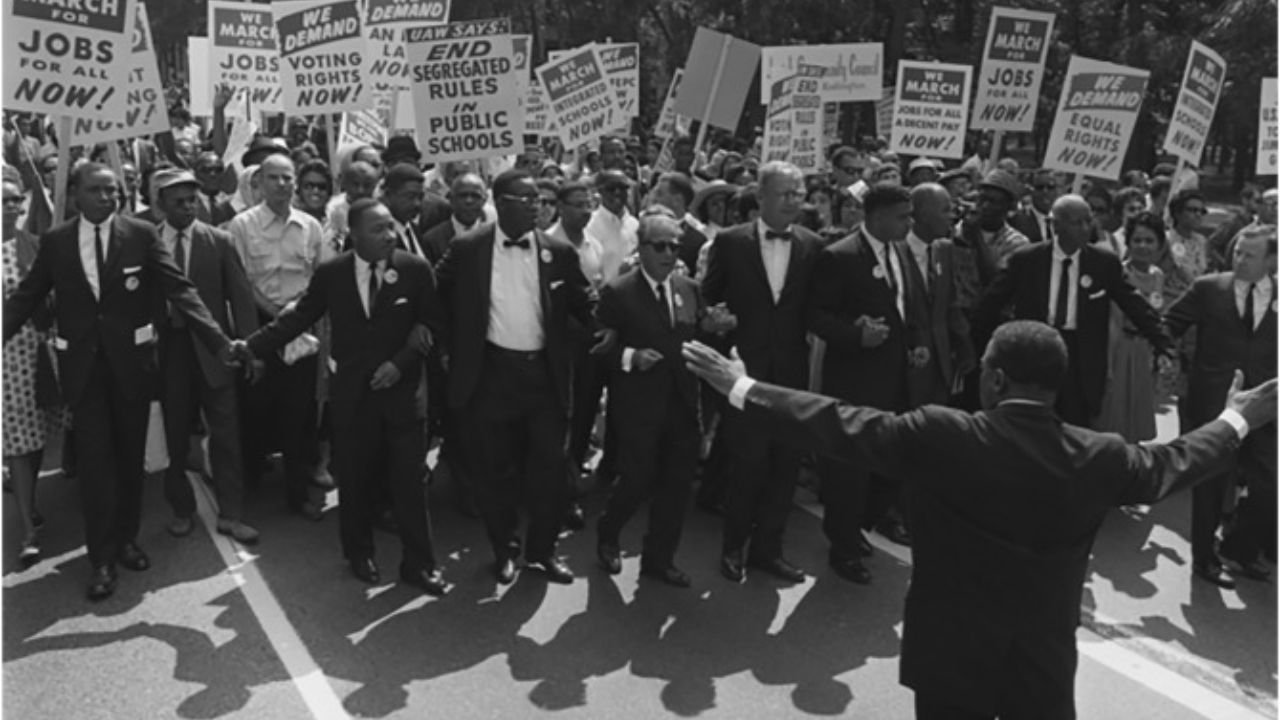
Public awareness is also critical. Citizens informed about corporate influence can hold policymakers accountable, support regulations that reduce undue influence, and advocate for corporate responsibility. Social movements and grassroots campaigns have historically challenged corporate dominance, showing that collective action can counterbalance concentrated economic power.
Conclusion: Corporations as Key Actors in Politics
Corporations are no longer merely economic entities; they are integral actors in modern political systems. Their influence manifests through lobbying, campaign contributions, regulatory navigation, and global operations. While their involvement can contribute to policy expertise and economic development, unchecked corporate power can threaten democratic principles and public trust.
Understanding the role of corporations in politics requires continuous analysis, transparency, and vigilance. Citizens, policymakers, and civil society must work together to ensure that corporate participation serves the public good, rather than solely corporate profit.
To better understand how corporate influence shapes politics and society, explore more insights, case studies, and in-depth analyses at mpmr.org. Share your thoughts on the role of corporations in governance in the comments below!