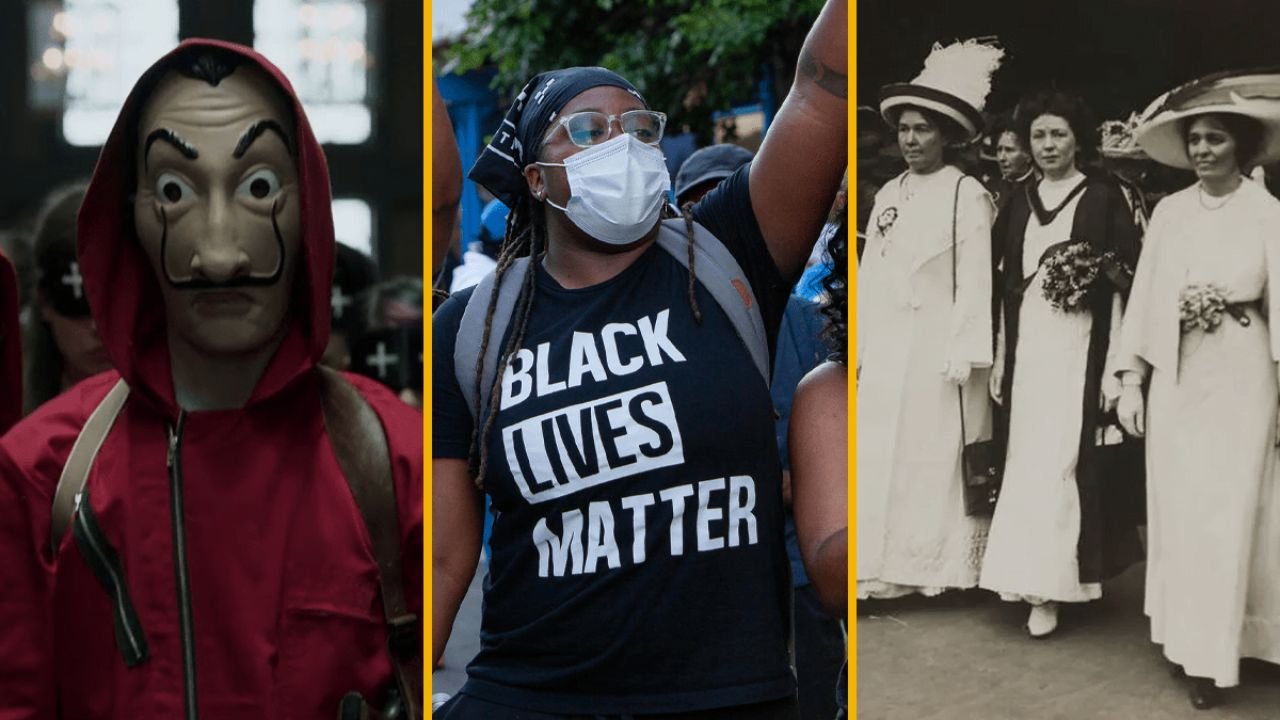
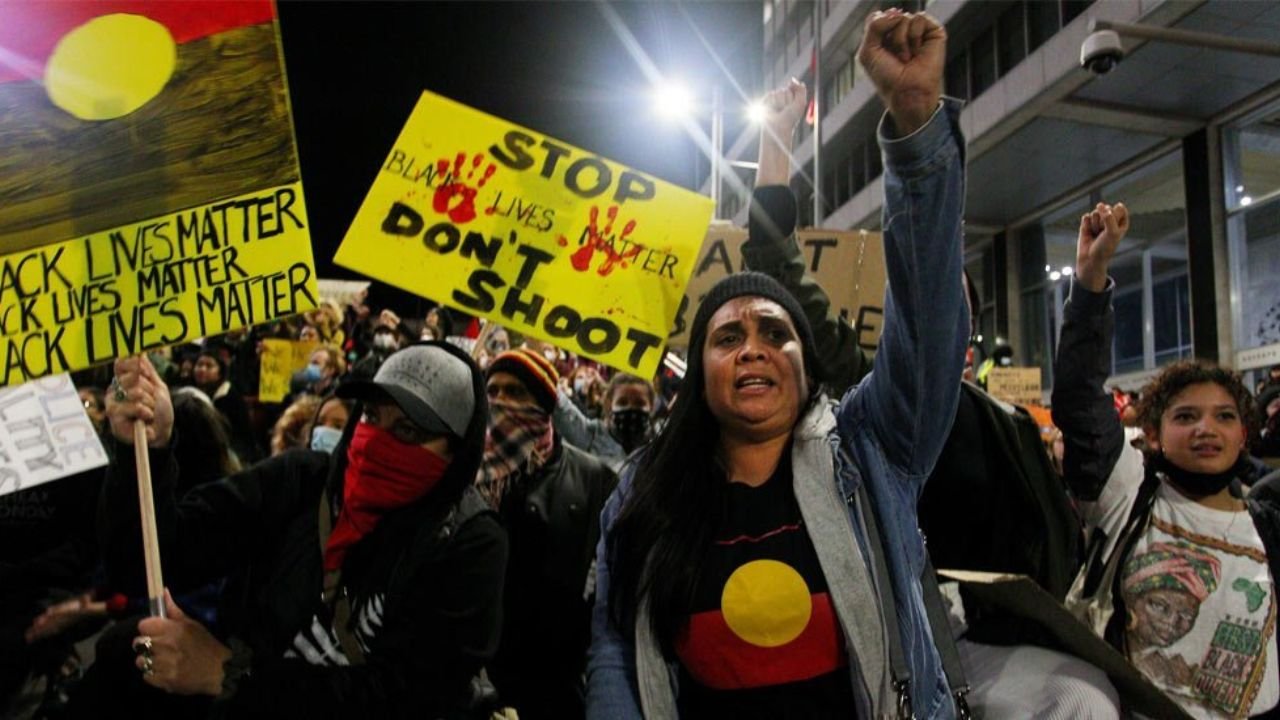
Music has always been a powerful force for social and political change. Across history, songs have inspired revolutions, mobilized communities, and amplified the voices of the oppressed. From folk anthems to hip-hop lyrics, music serves as both a reflection of societal struggles and a catalyst for collective action. Understanding the role of music in movements for change offers insight into how creativity and activism intersect to influence public consciousness.
Music as a Tool for Awareness
One of the most significant roles of music in activism is its ability to raise awareness. Songs often articulate issues that may otherwise be ignored or misunderstood. By translating complex social issues into lyrics, rhythm, and melody, musicians can reach audiences that traditional media or speeches may not.
For example, during the Civil Rights Movement in the United States, songs like “We Shall Overcome” became anthems that united protesters and articulated the struggle for equality. The simplicity and repetition of these songs allowed them to be easily learned and shared, turning each performance into a collective act of resistance. Music transforms individual awareness into communal energy, fostering solidarity among diverse participants in a movement.
Amplifying Voices of the Marginalized
Music provides a platform for marginalized communities to share their stories and experiences. In movements for social justice, the perspectives of those directly affected are often sidelined. Musicians give these voices prominence, ensuring their struggles are acknowledged and remembered.
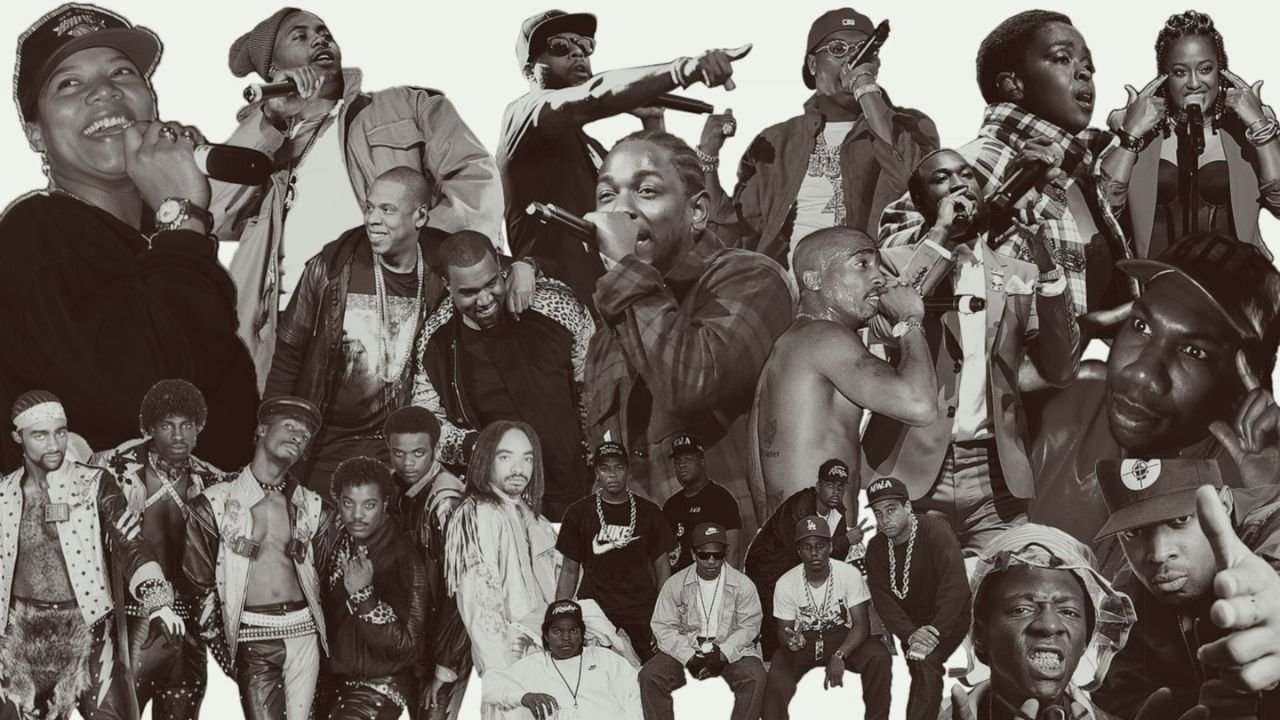
Hip-hop, for instance, emerged in the 1970s as a form of expression for African American and Latino communities facing systemic inequality in urban America. Artists like Public Enemy, Tupac Shakur, and Kendrick Lamar have used their music to address issues such as racial injustice, police brutality, and economic disparity. Their songs go beyond entertainment, educating listeners about systemic problems while encouraging activism.
Uniting Communities Through Rhythm
Music has a unique ability to unify people. A shared song during a protest or rally can foster a sense of community and belonging, creating a tangible emotional connection among participants. Chanting, drumming, or singing together strengthens morale and sustains momentum during challenging campaigns.
For example, during labor strikes or environmental protests, rhythmic chants and collective songs have provided both encouragement and a strategic tool to coordinate movements. The emotional resonance of music strengthens commitment, turning fleeting participants into long-term activists.
Music as Historical Documentation
Beyond immediate impact, music also serves as a historical record of social movements. Protest songs capture the sentiment of a particular moment, providing future generations with insights into the struggles and hopes of the time. Songs like Bob Dylan’s “The Times They Are A-Changin’” or Billie Holiday’s “Strange Fruit” remain poignant reminders of the struggles against inequality and injustice.
By documenting experiences in lyrical form, music preserves narratives that might otherwise be erased or ignored by mainstream history. Activists, historians, and educators often turn to these songs to understand movements from the perspective of those living through them.
Global Movements and Cultural Exchange
Music transcends borders and languages, making it a universal tool for change. Global movements such as anti-apartheid protests in South Africa or environmental campaigns in Latin America leveraged music to inspire solidarity and amplify messages internationally. Folk songs, reggae, and modern pop all have played roles in these campaigns, proving that music can unite people across cultures in pursuit of a common cause.
Challenges and Criticisms
While music is powerful, it is not without limitations. Critics argue that songs alone cannot drive systemic change; they must be paired with organized action, policy initiatives, and grassroots mobilization. Additionally, commercial co-opting of protest music can dilute its message. Despite these challenges, the cultural impact and emotional resonance of music remain undeniable tools for movements seeking justice and equality.
Conclusion
Music remains an essential force in movements for change, providing awareness, unity, and a voice for the marginalized. From the streets of protest to global campaigns, music inspires action, strengthens solidarity, and preserves the history of resistance. Its role is not merely symbolic—it is a tangible tool that mobilizes, educates, and connects people across generations and geographies.
Call to Action
Music shapes movements, but every voice counts. How has music inspired your activism? Share your experiences in the comments below and visit mpmr.org to explore more stories on the intersection of culture, art, and social change.