Grassroots movements have long been the lifeblood of social and political change. Unlike top-down initiatives driven by government agencies or large institutions, grassroots movements are born from the collective energy and commitment of ordinary people. They emerge from communities, respond to local needs, and grow through participation, collaboration, and shared purpose. Understanding the power of these movements sheds light on how public voices can influence policy, challenge entrenched systems, and drive meaningful societal transformation.
What Defines a Grassroots Movement
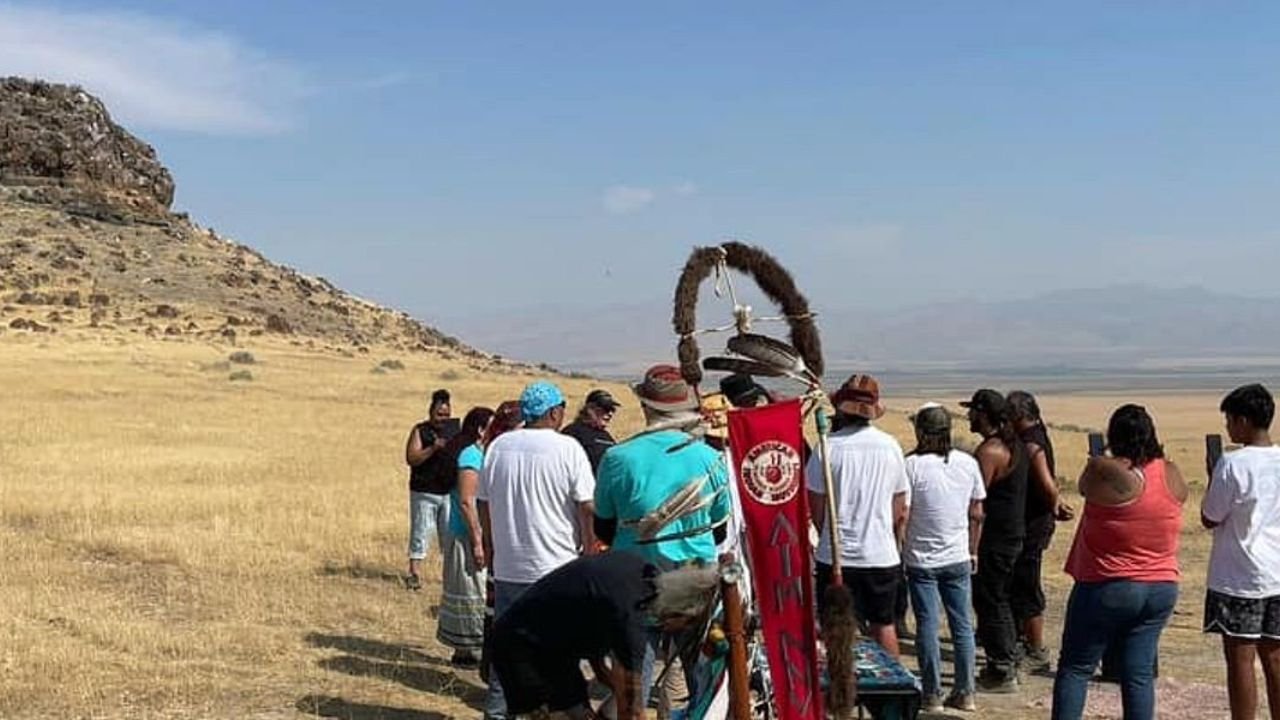
At its core, a grassroots movement is characterised by community-led action. It often begins with a small group of concerned citizens who identify an issue affecting their lives, such as environmental degradation, education inequality, or healthcare access. These movements thrive on participation rather than hierarchical leadership, giving ordinary individuals a platform to voice their concerns and advocate for change.
Grassroots campaigns are often nimble, allowing communities to respond quickly to emerging challenges. Unlike institutional lobbying or corporate influence, they rely on public engagement, awareness campaigns, and direct action to capture attention. This bottom-up approach ensures that policies shaped or influenced by these movements reflect the lived experiences of the people they affect.
Historical Examples of Grassroots Influence
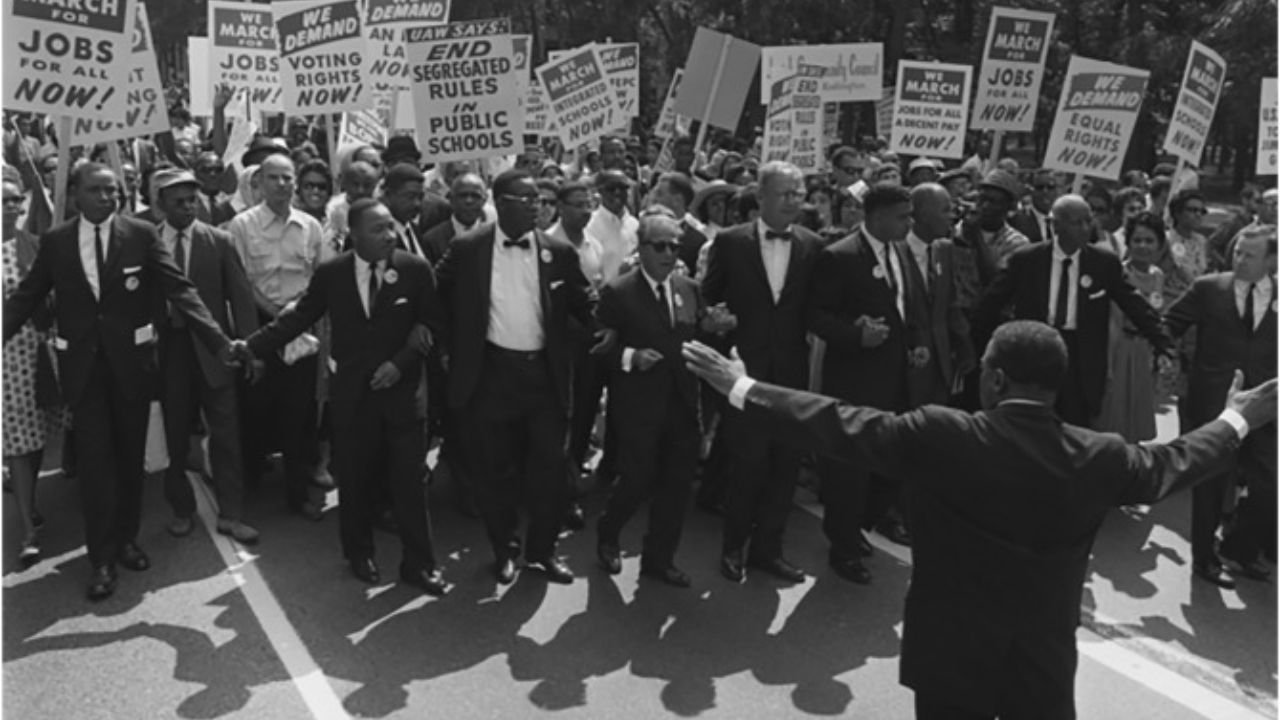
History is rich with examples of grassroots movements shaping public policy. The civil rights movement in the United States is a notable case. What began as local organizing and protests against segregation grew into a national movement that reshaped American law and social norms. Grassroots activism, from sit-ins to voter registration drives, played a critical role in the passage of landmark legislation like the Civil Rights Act of 1964 and the Voting Rights Act of 1965.
Similarly, environmental movements around the world have relied heavily on grassroots action. Local communities advocating for clean water, the preservation of forests, or protection from industrial pollution have pressured governments to implement stricter environmental regulations. The rise of the global climate movement, with figures like Greta Thunberg inspiring youth-led protests, demonstrates how grassroots activism can reach an international scale, influencing policy debates at the highest levels.
Mechanisms of Policy Influence
Grassroots movements shape policy in several ways:
- Public Awareness: By highlighting overlooked issues, grassroots campaigns create urgency around topics policymakers may have ignored. Public rallies, social media campaigns, and community forums amplify these messages.
- Political Pressure: Sustained activism can compel elected officials to act. When communities show organized support for or opposition to a policy, legislators often respond to avoid public backlash.
- Coalition Building: Grassroots groups frequently partner with NGOs, advocacy organizations, and academic institutions, enhancing credibility and expanding influence.
- Direct Participation: Many movements engage citizens directly in policymaking processes, such as public consultations, town halls, and participatory budgeting initiatives. This ensures the resulting policies reflect community needs.
Grassroots Movements Today
In recent years, grassroots movements have evolved with digital technology. Online platforms enable rapid mobilization, fundraising, and communication, connecting activists across regions. Campaigns like the global #MeToo movement and youth climate strikes have demonstrated that digital grassroots activism can translate into real-world policy impact.
Local movements continue to play a crucial role as well. Community-based campaigns addressing housing affordability, local policing practices, or school reform show that grassroots action is not just symbolic; it can produce tangible outcomes. By addressing issues at the local level, these movements ensure policies are informed by the realities of those most affected.
Challenges and Limitations
Despite their power, grassroots movements face challenges. Limited funding, media access, and institutional barriers can hinder their effectiveness. Additionally, sustaining long-term engagement can be difficult, especially as movements scale up or face opposition from powerful entities. However, these challenges often inspire innovative strategies and collaboration, strengthening the movement’s resilience.
The Lasting Impact
The power of grassroots movements lies in their ability to transform individual voices into collective action. They remind policymakers that citizens are active participants in shaping governance, not passive observers. When communities organize effectively, they can challenge inequality, influence legislation, and reshape societal priorities. From local policy reforms to international awareness campaigns, grassroots activism remains a cornerstone of democratic engagement.
Call to Action
Grassroots movements show that every individual has the potential to spark change. How are you contributing to your community? Share your experiences in the comments below, and explore more stories on activism, organizing, and social change at mpmr.org.
Author: Jordan Rivera, Senior Editor – Jordan leads reporting on community organizing, labor actions, and grassroots activism, focusing on stories about people creating change.