In the 21st century, technology has not only transformed daily life but also reshaped governance and the ways states exercise power. From digital surveillance systems to algorithm-driven decision-making, governments now have unprecedented access to citizens’ data, behaviors, and movements. While technology offers opportunities for efficient governance, it also raises critical questions about privacy, accountability, and the potential for authoritarian control. Understanding this intersection is essential for citizens, policymakers, and activists navigating the modern political landscape.
The Rise of Digital Governance
Governments worldwide are increasingly integrating technology into public administration. Smart cities, e-governance platforms, and digital identity systems promise streamlined services, greater transparency, and faster communication between the state and its citizens. For example, digital tax systems and online licensing platforms reduce bureaucratic delays, while AI-driven traffic management improves urban mobility.
However, this integration comes with trade-offs. The very same technologies that facilitate efficiency can also monitor, profile, and influence populations. In countries where oversight is limited, digital governance tools can become instruments of control rather than empowerment.
Surveillance Technology and Citizen Control
One of the most concerning aspects of this technological intersection is state surveillance. Governments now deploy sophisticated tools such as facial recognition, geolocation tracking, and social media monitoring to observe citizen behavior. In some instances, these tools are used to maintain public safety or enforce law and order.
Yet, in more authoritarian contexts, surveillance extends into social control. Citizens may self-censor, avoid public criticism of authorities, or face punitive measures based on algorithmic judgments. China’s social credit system is often cited as a prime example, where digital monitoring influences citizens’ access to loans, travel, and employment based on behavior assessed by data analytics.
Algorithmic Decision-Making and the Risk of Bias
Beyond surveillance, governance increasingly relies on algorithms to make critical decisions, from predictive policing to welfare distribution. While algorithms can improve efficiency, they also raise concerns about fairness and accountability. Algorithms are created by humans, and they inherit biases—often unintentionally—that can disproportionately affect marginalized communities.
For example, predictive policing algorithms in some U.S. cities have been found to target neighborhoods with historically higher crime rates, reinforcing systemic inequalities rather than reducing them. Similarly, automated welfare systems have occasionally denied benefits due to errors in data interpretation, disproportionately impacting low-income citizens.
Digital Democracy or Digital Manipulation?
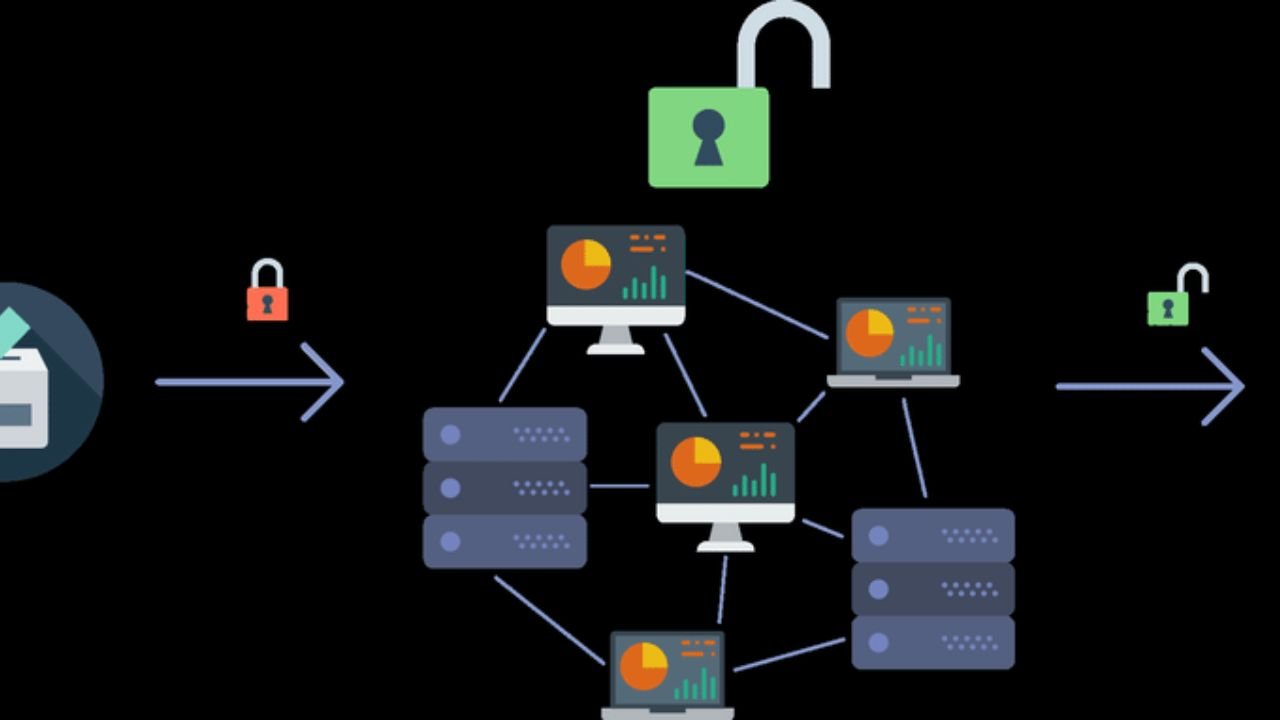
Technology has the potential to strengthen democracy through e-voting, digital public consultations, and civic engagement platforms. These innovations can make governance more participatory, transparent, and responsive to citizens’ needs.
However, the same platforms can also be used to manipulate public opinion. Social media algorithms amplify certain narratives while suppressing others, often prioritizing engagement over accuracy. Political campaigns increasingly rely on data analytics to micro-target voters, raising ethical questions about manipulation, misinformation, and the erosion of informed public discourse.
Ethical and Legal Challenges
The fusion of technology and governance brings forward legal and ethical challenges that require urgent attention. Questions around data privacy, consent, and digital rights are increasingly central to policy debates. International frameworks like the European Union’s General Data Protection Regulation (GDPR) aim to protect citizens’ data, but enforcement remains challenging.
Moreover, as technologies like artificial intelligence and blockchain continue to evolve, lawmakers must adapt regulations to ensure that digital tools serve the public good without undermining democratic principles. Ensuring transparency in algorithmic governance and creating mechanisms for accountability are essential steps to prevent abuse.
Balancing Efficiency with Accountability
Governments must strike a balance between technological efficiency and citizen accountability. Transparent design of digital governance systems, independent oversight bodies, and public education on digital rights can help mitigate the risks of excessive control. Encouraging civic participation in the design and monitoring of technology-driven governance also fosters trust and democratic legitimacy.
Technology itself is neutral—it is the ways in which governments deploy it that determine whether it empowers or oppresses. Citizens, policymakers, and civil society must remain vigilant to ensure that innovation does not come at the expense of fundamental freedoms.
Conclusion: Navigating the New Age of Control
The intersection of technology and governance marks a new era in the exercise of state power. While digital tools offer efficiency, accessibility, and innovation, they also pose risks to privacy, equity, and democratic participation. Understanding these dynamics is critical for anyone invested in the future of governance, rights, and civic engagement. As technology continues to shape how governments operate, the challenge lies in harnessing its potential responsibly, ensuring that the digital age strengthens—not undermines—the relationship between the state and its citizens.
Want to explore more about the impact of technology on governance and civil rights? Visit mpmr.org to read in-depth analyses, research, and commentary on modern systems of power. Share your thoughts and insights in the comments below!