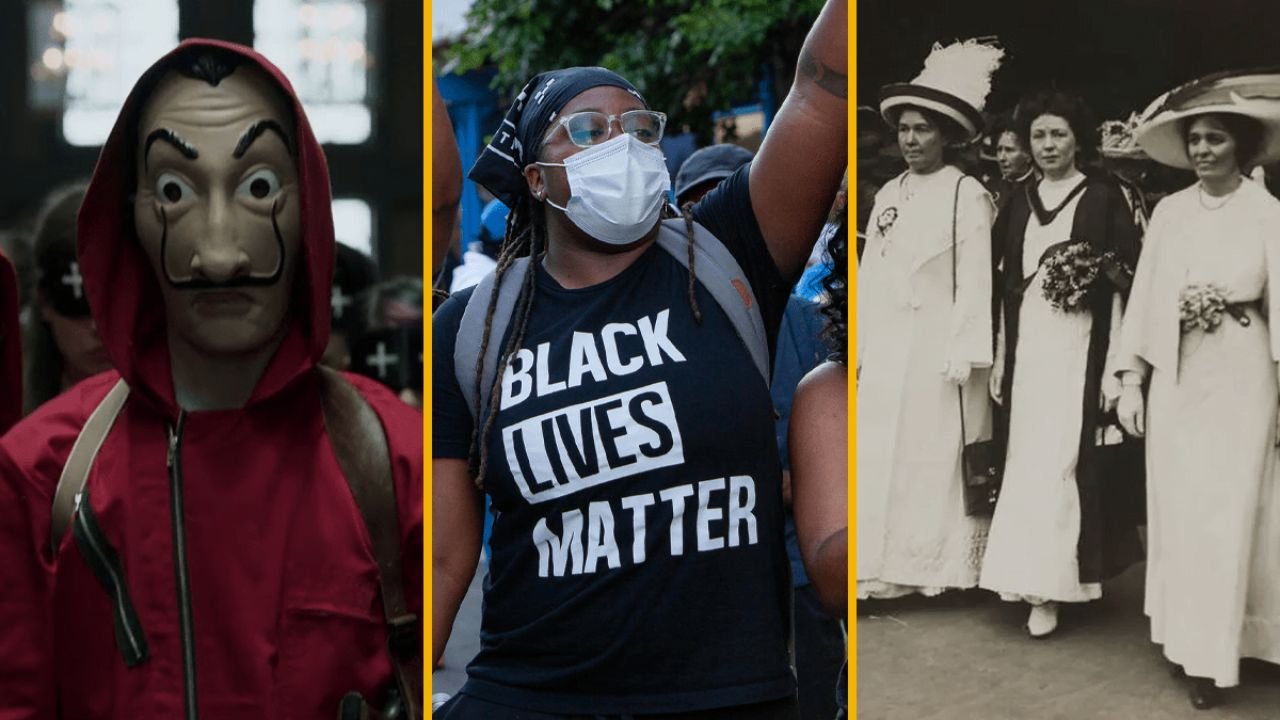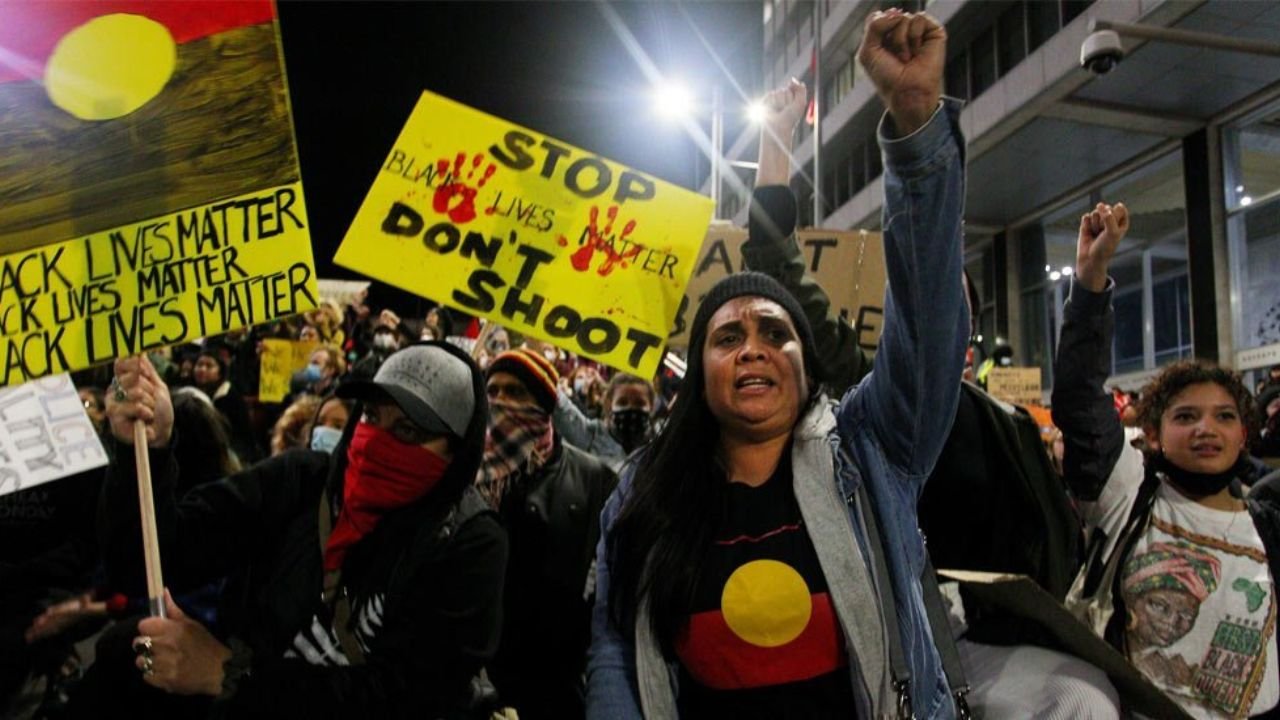
Music has long served as a powerful tool of resistance, a medium through which marginalized voices can express their struggles, demand justice, and inspire collective action. From the civil rights anthems of the 1960s to the socially charged lyrics of modern hip hop, resistance music has evolved to reflect the times, technologies, and communities that produce it. Understanding this evolution reveals how music has not only mirrored societal struggles but actively shaped movements for change.
Roots of Resistance: Folk and Protest Songs
Resistance music’s roots can be traced back centuries, but in the modern era, folk and protest songs became prominent tools for social change. Artists such as Woody Guthrie, Pete Seeger, and Joan Baez crafted songs that spoke directly to the struggles of working-class people, the fight against racism, and the opposition to war.
Songs like Guthrie’s “This Land Is Your Land” and Seeger’s “Where Have All the Flowers Gone?” provided anthems for communities seeking justice. These compositions combined storytelling with simple melodies, allowing audiences to easily sing along and internalize the message. Protest songs of this era were not just entertainment—they were vehicles for mobilization, spreading awareness and fostering solidarity among activists.
Civil Rights and the Sound of Resistance
The civil rights movement in the United States of the 1950s and 1960s marked a turning point in the role of music as resistance. Gospel, blues, and folk music converged into songs that articulated the pain of oppression and the hope for liberation. Tracks such as “We Shall Overcome” became rallying cries for protestors marching for equality, embodying resilience and communal determination.
During this period, music also served as a form of documentation. Live recordings of marches, speeches, and performances captured the energy and emotion of the movement, ensuring that these pivotal moments were preserved for posterity. Music in this era was inseparable from activism, providing both motivation and a shared cultural identity for the movement.
From Punk to Hip Hop: Expanding the Language of Resistance
By the 1970s and 1980s, resistance music expanded into new genres, reflecting the frustrations of younger generations. Punk music, emerging in urban centers worldwide, expressed anger toward political corruption, social inequality, and systemic oppression. Bands like The Clash and Dead Kennedys channeled raw energy and confrontational lyrics to galvanize listeners into questioning authority.
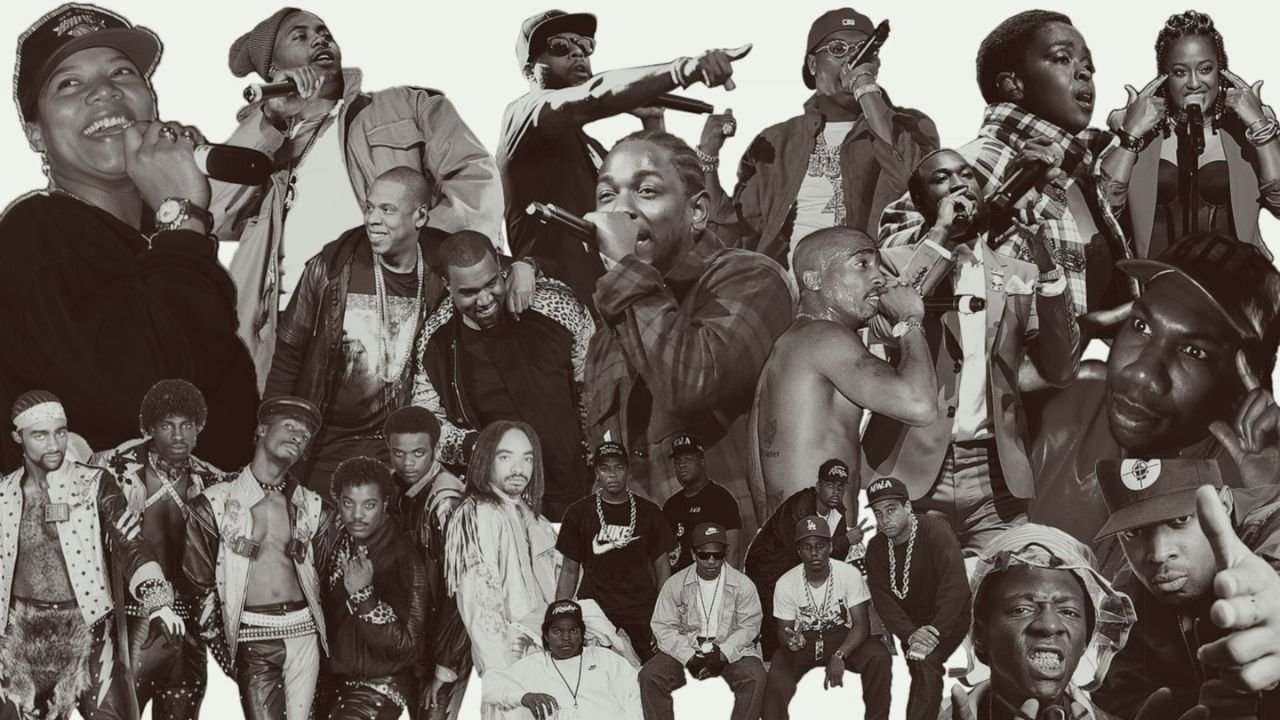
Simultaneously, hip hop emerged from the streets of the Bronx as a direct response to systemic neglect, racial injustice, and economic inequality. Artists like Grandmaster Flash and the Furious Five used rap to narrate the realities of life in marginalized communities. Tracks like “The Message” did more than entertain—they exposed systemic issues, gave voice to the unheard, and created a new platform for storytelling that combined rhythm, poetry, and social commentary.
Hip Hop as a Platform for Social Commentary
Modern hip hop continues to be a potent vehicle for resistance. Artists such as Kendrick Lamar, Public Enemy, and J. Cole confront issues ranging from police brutality and mass incarceration to economic disparities and cultural erasure. Hip hop’s power lies in its accessibility and relatability: its beats and lyrical flow allow messages to reach global audiences, often sparking dialogue far beyond the communities where the music originates.
Hip hop also benefits from technology and social media, which amplify its impact. Viral music videos, social media campaigns, and digital platforms allow resistance messages to spread rapidly, connecting movements across cities, countries, and continents. In this way, modern resistance music maintains the ethos of its predecessors while harnessing contemporary tools to influence social consciousness.
The Role of Music in Global Movements
Resistance music is not limited to the United States. Globally, it has inspired movements from anti-apartheid campaigns in South Africa to pro-democracy protests in Hong Kong. Artists like Fela Kuti in Nigeria used Afrobeat to criticize government corruption, while musicians in Latin America fused folk, rock, and political lyricism to confront authoritarian regimes. These examples demonstrate that resistance music transcends geography, providing both a soundtrack and a strategy for activism worldwide.
Conclusion: Music as a Catalyst for Change
The evolution of resistance music—from protest folk songs to modern hip hop—illustrates its enduring power as a tool for social commentary, solidarity, and activism. Music provides a voice to the voiceless, preserves historical memory, and mobilizes communities to act. As society continues to face new challenges, resistance music remains a vital force, shaping discourse and inspiring generations to demand justice.
Music has the power to educate, inspire, and unite. Explore more stories about activism, resistance, and cultural movements on mpmr.org, and share your thoughts on how music has influenced social change in the comments below.