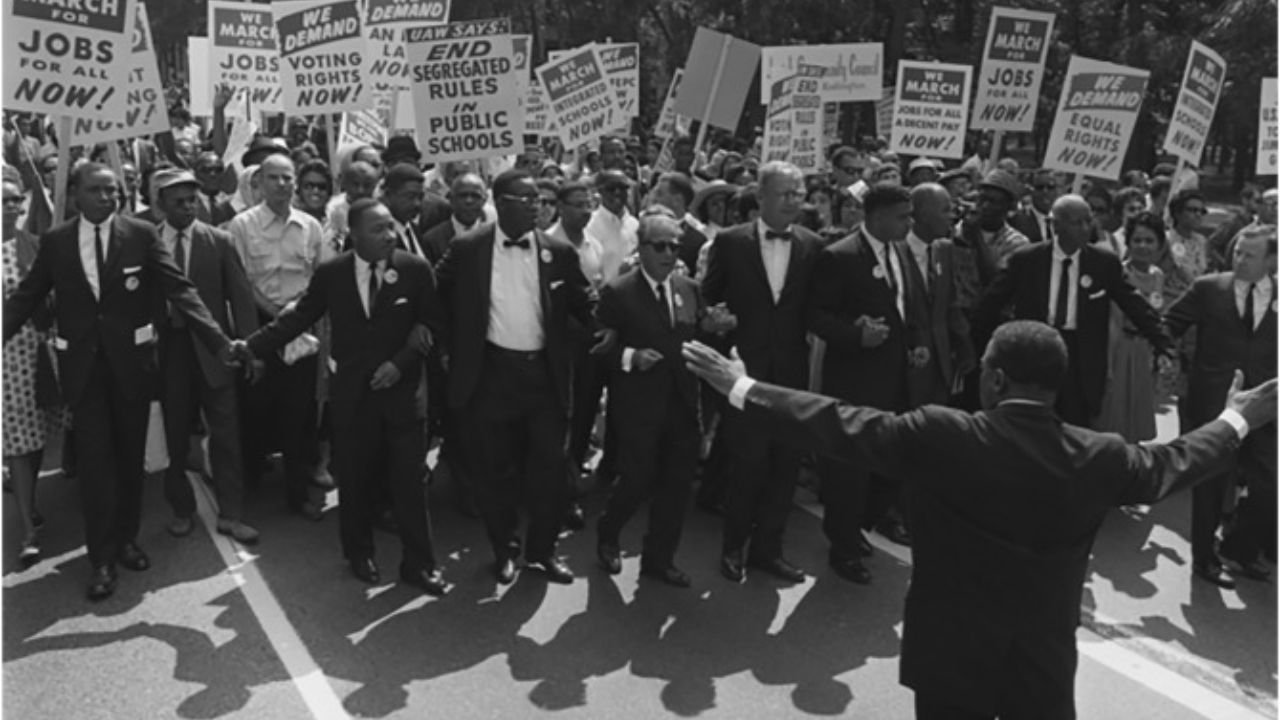
The criminal justice system is often seen as a pillar of societal stability, yet in practice, it has frequently been criticized for perpetuating inequality, over-incarceration, and systemic biases. In recent years, the call for criminal justice reform has grown louder, with activists, policymakers, and citizens advocating for a more equitable and effective approach to law enforcement and legal proceedings. This article explores why reform is necessary, the areas most in need of change, and the potential impact of a reimagined justice system.
The Current State of the Criminal Justice System
The U.S. criminal justice system is one of the largest in the world, with over 2 million people currently incarcerated. Despite the country’s relatively small percentage of the global population, it holds nearly a quarter of the world’s prison population. High incarceration rates are often linked to mandatory minimum sentencing laws, the war on drugs, and policies that disproportionately affect marginalized communities.
Furthermore, systemic racial and socioeconomic disparities remain deeply entrenched. Research consistently shows that Black and Hispanic individuals are more likely to be arrested, convicted, and given longer sentences than their white counterparts for similar offenses. These patterns raise questions about fairness and the true efficacy of a system designed to protect and serve all citizens equally.
The Role of Policing in Criminal Justice Reform
Policing is a central focus of criminal justice reform. Traditional law enforcement practices often emphasize punitive measures over preventative strategies, which can exacerbate community mistrust and social unrest. Advocates for reform argue that policing should evolve to focus more on community engagement, de-escalation tactics, and addressing the root causes of crime.
Programs such as community policing, where officers work closely with residents to identify and solve local problems, have shown promise in reducing crime while building trust. Similarly, incorporating mental health professionals and social workers into law enforcement responses can reduce unnecessary arrests and provide support to individuals in crisis.
Reforming Sentencing and Prison Practices
Mandatory minimums and “three strikes” laws have contributed to the explosion of the prison population in the United States. Reforming sentencing practices to allow for judicial discretion, alternative sentencing, and rehabilitation-focused programs is essential. Evidence suggests that rehabilitative measures, such as education, vocational training, and therapy, reduce recidivism and help formerly incarcerated individuals reintegrate into society.
Additionally, prison conditions and access to resources play a critical role in determining the success of rehabilitation efforts. Overcrowding, lack of healthcare, and limited educational opportunities hinder the ability of prisons to function as centers of rehabilitation rather than solely punishment.
Addressing Racial and Socioeconomic Disparities
One of the most pressing aspects of criminal justice reform is addressing systemic inequalities. Racial and socioeconomic disparities are evident at every stage of the criminal justice process—from arrest and bail decisions to sentencing and parole. Reform efforts must include eliminating biased policing practices, reforming bail systems that disadvantage low-income individuals, and ensuring fair access to legal representation.
Community advocacy groups and legal aid organizations play a vital role in highlighting these disparities and advocating for policy changes. By addressing these structural inequities, the justice system can move closer to its ideal of fairness and equality under the law.
The Economic Impact of Reform
Criminal justice reform is not only a moral imperative but also an economic one. The cost of maintaining high incarceration rates is staggering, with billions of dollars spent annually on prisons and law enforcement. Redirecting resources toward preventative programs, education, mental health services, and rehabilitation can be more cost-effective and yield long-term societal benefits.
Investing in community programs that address poverty, addiction, and education gaps can reduce crime rates over time, creating safer neighborhoods without the need for excessive incarceration.
The Future of Criminal Justice Reform
The movement for reform is gaining momentum, fueled by both grassroots activism and policy initiatives. From police accountability measures and sentencing reform to restorative justice programs, there are multiple pathways to creating a fairer system. The success of these reforms depends on sustained public engagement, political will, and evidence-based policies that prioritize justice and human dignity over punishment alone.
Criminal justice reform is not a single policy or law but a comprehensive reevaluation of how society defines justice, safety, and accountability. By rethinking law and order, we have the opportunity to build a system that is equitable, effective, and aligned with democratic values.
Conclusion: Why Reform Cannot Wait
The need for criminal justice reform is urgent. A system that perpetuates inequality, prioritizes punishment over rehabilitation, and ignores the social factors that contribute to crime fails both individuals and society as a whole. Meaningful reform requires addressing policing practices, sentencing laws, prison conditions, and systemic disparities, while also investing in preventative and rehabilitative measures.
The future of justice depends on the decisions we make today—decisions that can transform law and order into a system that truly protects and serves everyone.
Explore more insights on social justice, activism, and reform movements by visiting mpmr.org. Share your thoughts and experiences in the comments below, and join the conversation on how we can build a fairer and more just society.