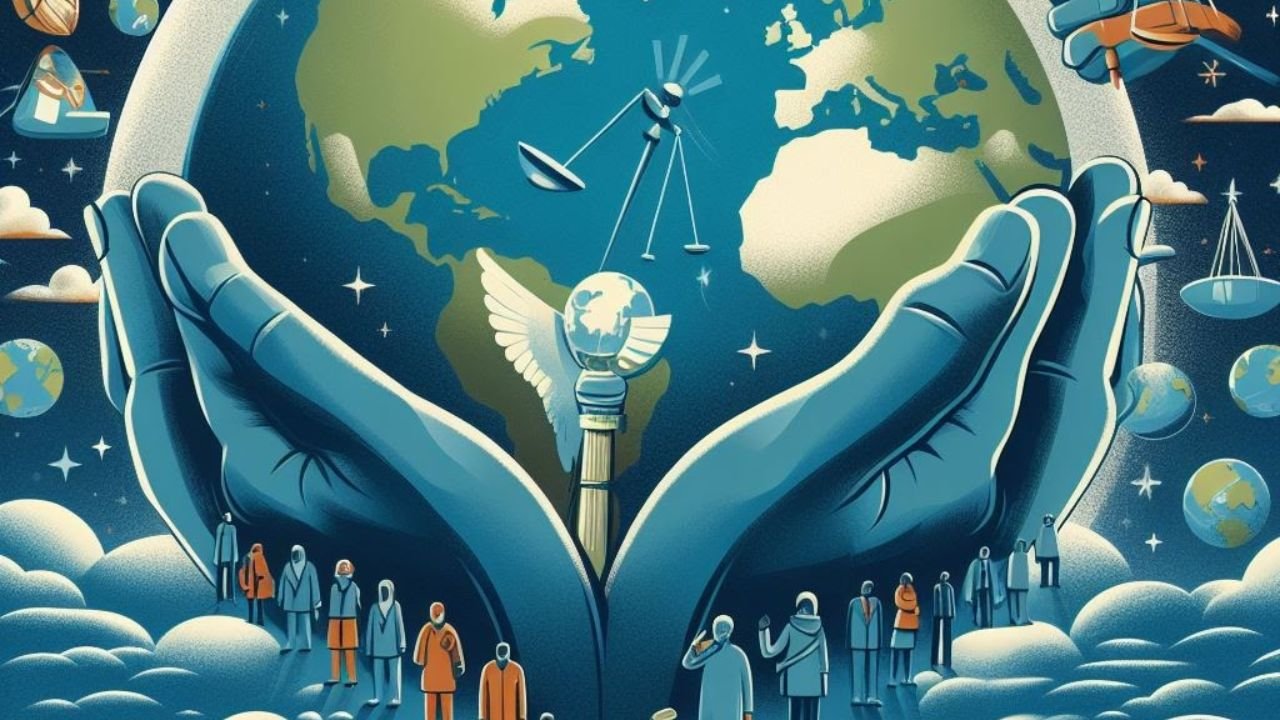
Social justice movements are often fueled by the passion and perseverance of individuals who stand up to injustice, discrimination, and inequality. These movements have shaped societies across the world, and at their heart are personal stories—stories of resilience, courage, and the determination to create a better world. By highlighting these stories, we can better understand the challenges faced by activists and the transformative power of collective action. This article delves into some of these personal stories and explores their significance in the broader fight for social justice.
The Human Faces of Social Justice
Social justice is not an abstract concept; it’s deeply rooted in the lived experiences of individuals. When we look at the stories of those who have fought for civil rights, gender equality, or environmental justice, we see how their personal journeys often intersect with larger societal changes. These individuals aren’t just symbols of a cause—they are real people, whose lives have been shaped by the very issues they are fighting to change.
Take, for example, the stories of community organizers in underrepresented neighborhoods. These activists often begin with small, personal experiences—fighting for better schools, cleaner streets, or safer neighborhoods. Over time, their individual battles become part of a larger movement that challenges institutional powers and systems of oppression. Their stories show how social justice is not just about policies or laws but about real people advocating for the dignity and rights of their communities.
The Struggle for Racial Equality
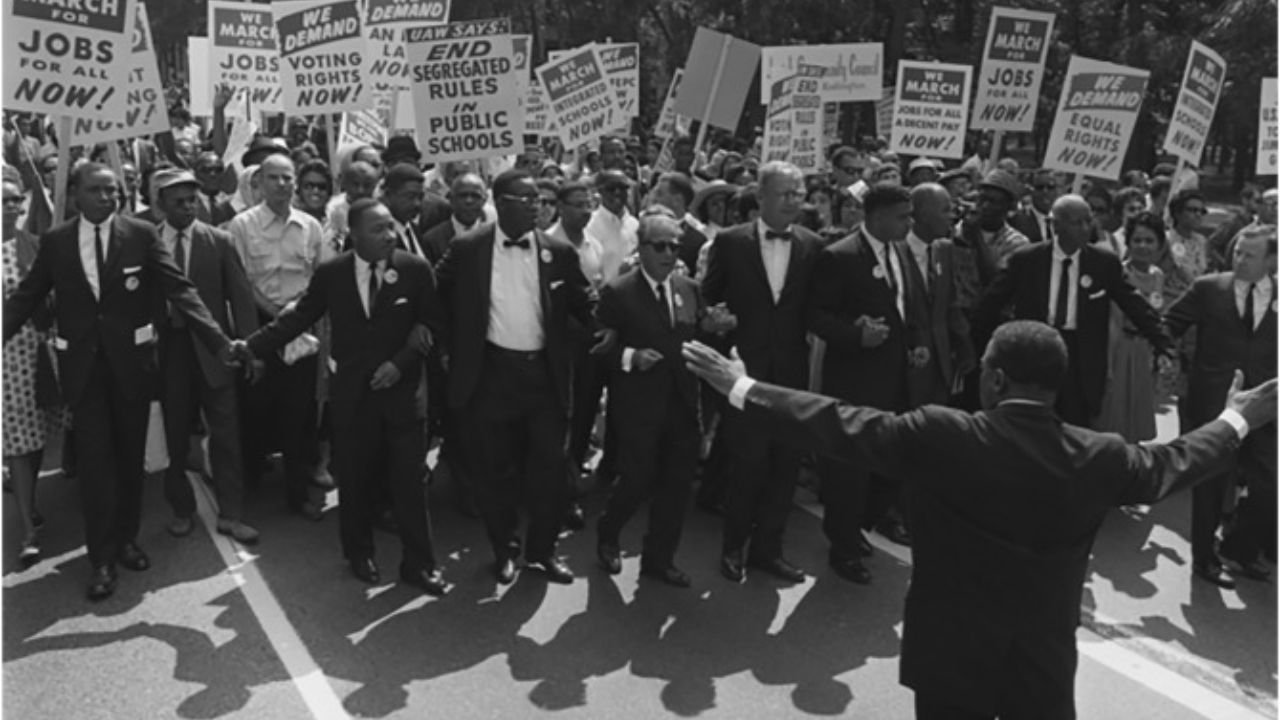
One of the most powerful personal stories of social justice comes from the civil rights movement in the United States. Figures like Rosa Parks, who refused to give up her seat on a segregated bus, and Dr. Martin Luther King Jr., whose vision of equality inspired millions, are iconic examples of individuals whose personal actions catalyzed monumental social change.
However, behind these well-known figures are countless other activists whose personal stories might not be as widely recognized but are equally important. For example, the stories of young people who participated in sit-ins, freedom rides, and protests in the 1960s are often overlooked. These individuals risked their safety and freedom to stand up against a deeply entrenched system of racial segregation and discrimination. Their stories show how, in the face of adversity, personal courage can lead to collective power.
Women’s Voices in the Fight for Equality
The struggle for gender equality also has its fair share of powerful personal stories. From the suffragists who fought for women’s right to vote in the early 20th century to the women of today who are fighting for equal pay, reproductive rights, and protection from violence, women have always been at the forefront of social justice movements.
Take, for example, the personal journey of Malala Yousafzai, who stood up for the right of girls in Pakistan to receive an education. Despite facing threats from the Taliban, Malala’s story has inspired millions of young people around the world. Her activism, which started as a young girl advocating for education in her community, turned into a global movement. Malala’s story is a testament to the transformative power of one individual’s courage to speak out against injustice.
The Role of LGBTQ+ Activism in Social Justice
The LGBTQ+ rights movement is another powerful example of how personal stories have shaped the fight for justice. From the Stonewall Riots of 1969 to the ongoing battle for marriage equality, LGBTQ+ individuals have shared their personal experiences to shed light on the discrimination they face. These personal stories have humanized the fight for rights and led to broad societal changes.
One such personal story is that of Harvey Milk, one of the first openly gay elected officials in California. Milk’s personal journey as a gay man living in a society that persecuted him helped bring attention to the need for LGBTQ+ rights. His activism not only empowered a community but also paved the way for others to speak openly about their identities.
The Fight for Immigrant Rights
Immigrant communities around the world have also been at the forefront of social justice struggles. The stories of individuals who have crossed borders seeking safety, opportunity, or refuge are deeply personal and often filled with hardship. Yet, these stories are also filled with hope and resilience, as immigrants work to create better futures for themselves and their families.
Take the story of José Antonio Vargas, a Pulitzer Prize-winning journalist and undocumented immigrant. Vargas’s decision to publicly reveal his status in 2011 sparked a national conversation about immigration reform and the rights of undocumented individuals in the United States. His personal story highlights the complexities of the immigration system and the human cost of policies that exclude millions from full participation in society.
Environmental Justice: Personal Stories of Activism
The environmental justice movement, which focuses on the intersection of environmental issues and social inequality, also has a personal dimension. Many of the activists fighting against environmental degradation come from communities that are disproportionately affected by pollution, climate change, and other environmental crises.
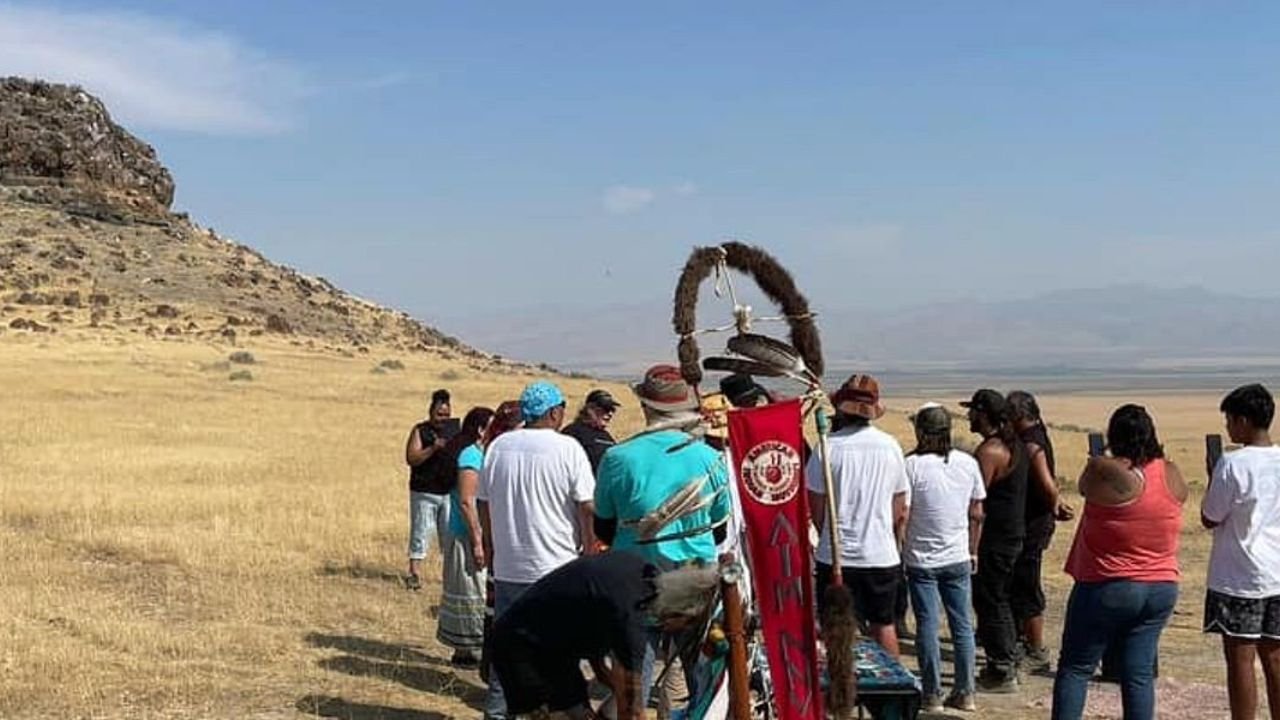
The story of Winona LaDuke, an environmentalist and indigenous activist, underscores the personal nature of this fight. LaDuke has spent her life advocating for the protection of indigenous land and rights, particularly in the context of the fight against pipelines and other forms of environmental exploitation. Her personal connection to her community’s land and culture has driven her work and is a poignant example of how environmental justice is also a human rights issue.
Personal Stories Fueling Change
At the heart of every social justice movement are personal stories. These stories—whether of courage, resilience, or determination—serve as the driving force behind the fight for justice. They humanize the struggles faced by marginalized communities and show how individuals can inspire broad societal change.
Each personal story shared in the context of social justice serves as both a reminder of how far we’ve come and how much further we need to go. As we look back on these stories, we see the transformative power of collective action—how personal experiences, when shared, can lead to a global movement for change.
Call to Action
Social justice movements have been shaped by the personal stories of those who fight for change. What’s your story? Share your thoughts in the comments below, and be sure to visit mpmr.org for more articles on activism, social justice, and the voices that are shaping our world.