Indigenous communities around the world have long maintained deep connections to their ancestral lands. These lands are not merely physical spaces; they carry spiritual, cultural, and historical significance, shaping the identity and way of life of entire communities. Today, Indigenous groups are increasingly speaking out against encroachment, resource exploitation, and environmental destruction, making their voices critical in the global fight for land protection and environmental justice.
The Spiritual and Cultural Significance of Sacred Lands
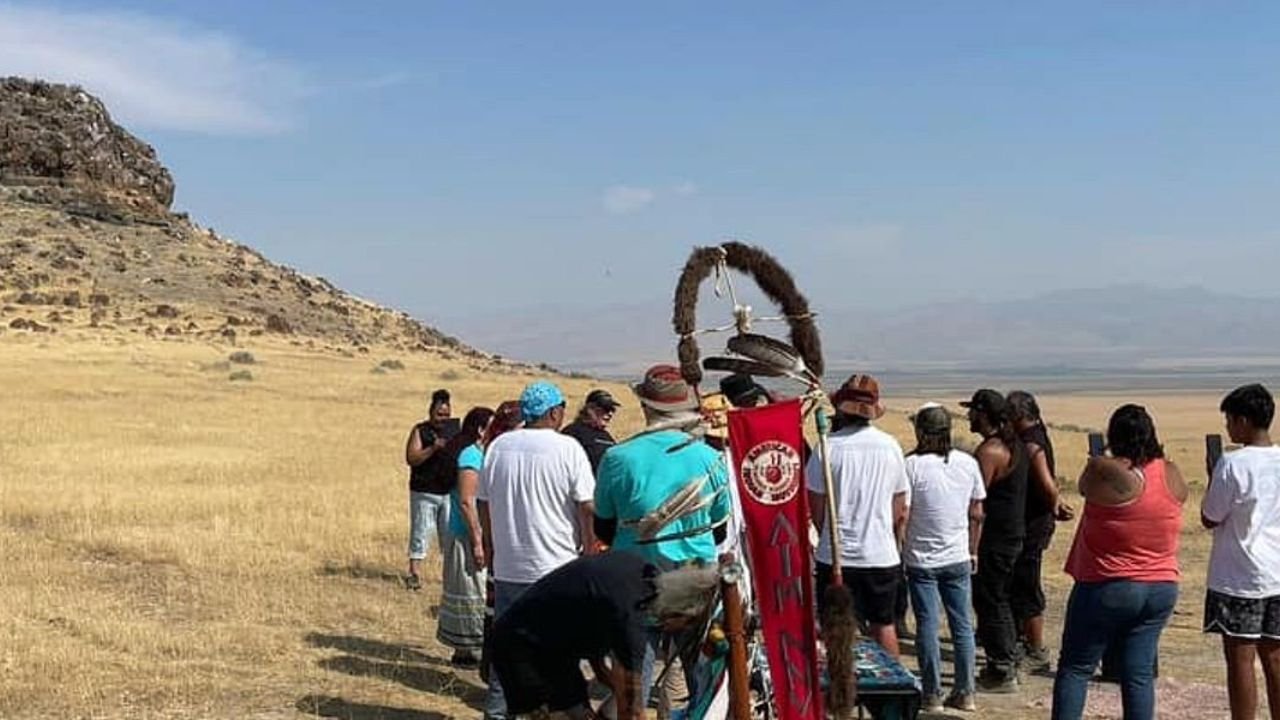
For Indigenous peoples, sacred lands hold immense spiritual importance. Sacred sites are often locations for ceremonies, rituals, and ancestral remembrance. Beyond their spiritual value, these lands are tied to Indigenous knowledge systems, oral histories, and cultural practices. Losing access to these territories is not just a loss of land—it represents an erasure of identity, culture, and history.
Many Indigenous communities view their relationship with the land as a responsibility rather than ownership. Stewardship of these areas ensures the preservation of biodiversity, sacred sites, and sustainable practices developed over centuries. When external actors threaten these lands through mining, logging, or industrial projects, the consequences extend far beyond economic considerations—they strike at the heart of Indigenous cultural survival.
Environmental and Legal Challenges
Protecting sacred lands is often a complex battle, involving legal, political, and environmental challenges. In many countries, Indigenous communities lack formal recognition or legal rights over their ancestral territories. This gap allows corporations or governments to exploit these lands under the guise of development or economic progress.
Environmental degradation caused by such activities often results in deforestation, contamination of water sources, and destruction of wildlife habitats. Indigenous activists are increasingly turning to national courts, international human rights bodies, and public campaigns to assert their rights. The United Nations Declaration on the Rights of Indigenous Peoples (UNDRIP) has become a critical instrument in these fights, providing a framework for recognizing Indigenous sovereignty and land protection.
Case Studies in Resistance
Across the globe, Indigenous communities are leading inspiring campaigns to protect their sacred lands.
- Standing Rock Sioux Tribe, USA: The protests against the Dakota Access Pipeline in 2016 highlighted the intersection of environmental concerns and Indigenous sovereignty. Protestors argued that the pipeline threatened water supplies and violated treaty rights. The movement gained international attention, showcasing how Indigenous voices can mobilize global support.
- Amazon Rainforest, Brazil: Indigenous tribes in the Amazon are fighting illegal logging, mining, and agricultural encroachment. Organizations like Survival International and local Indigenous federations have amplified their efforts, advocating for protection of both the rainforest and Indigenous autonomy.
- Australia: Aboriginal groups have campaigned against mining projects that threaten sacred sites like Juukan Gorge. Their activism led to increased scrutiny of corporate practices and strengthened legislation for protecting Indigenous heritage.
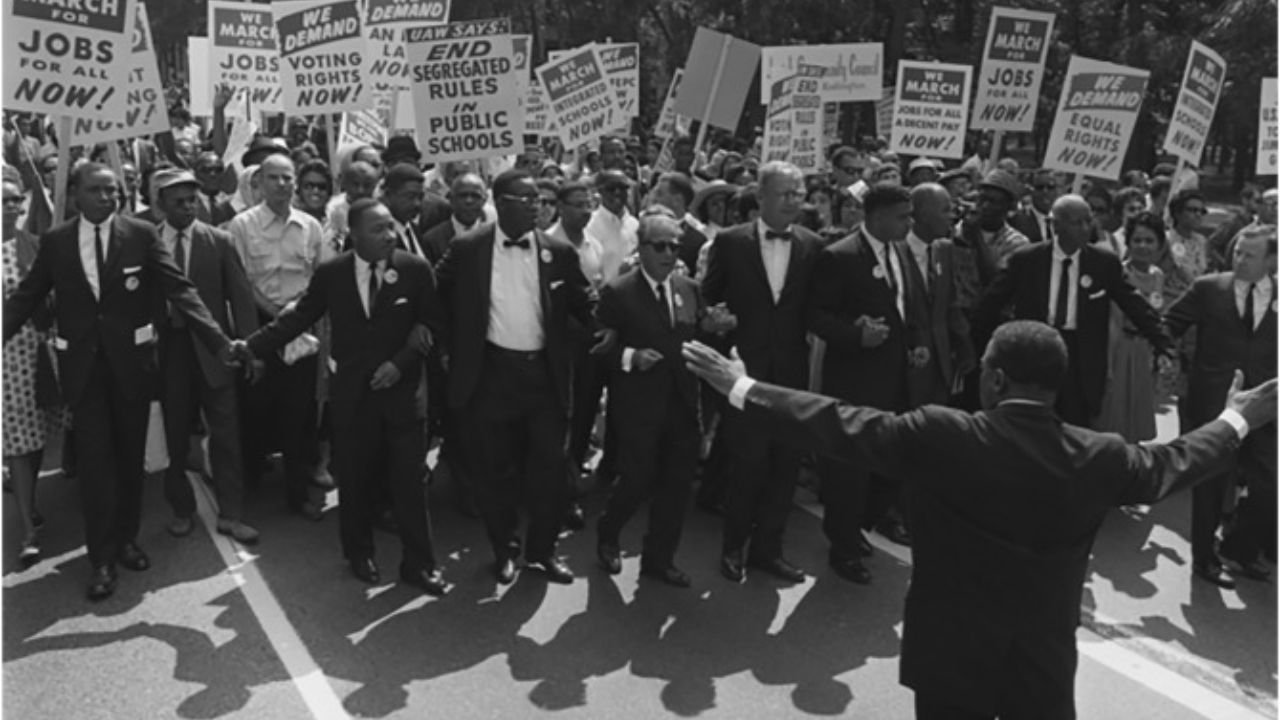
These examples demonstrate that Indigenous activism is not limited to local advocacy—it often has global implications, drawing attention to environmental justice, human rights, and cultural preservation.
The Role of Media and Documentation
Media coverage has become a powerful tool for Indigenous communities to amplify their voices. Documenting protests, environmental destruction, and sacred rituals helps raise awareness and build international solidarity. Social media platforms, independent journalism, and documentary filmmaking have allowed Indigenous activists to bypass traditional gatekeepers, ensuring that their stories reach a global audience.
Careful documentation also strengthens legal arguments in courts and international forums. Photographs, videos, and written testimonies provide undeniable evidence of environmental harm and treaty violations, making it harder for authorities and corporations to ignore Indigenous claims.
Challenges in Amplifying Indigenous Voices
Despite progress, Indigenous activists face significant risks. Threats, harassment, and violence are common, especially in regions where resource exploitation is highly profitable. Many activists operate under constant surveillance or face criminalization for defending their lands.
Moreover, misrepresentation in mainstream media can dilute the authenticity of Indigenous narratives. Ensuring that Indigenous voices are not co-opted or filtered through biased reporting is crucial. Supporting Indigenous media outlets, amplifying direct statements, and engaging with communities respectfully are ways to maintain authenticity and integrity.
Global Implications of Indigenous Land Protection
Protecting sacred lands is not only about Indigenous rights; it also has broader implications for environmental sustainability and climate change. Indigenous-managed lands often have higher biodiversity and lower rates of deforestation compared to non-Indigenous lands. Their traditional ecological knowledge provides valuable insights into sustainable resource management, conservation practices, and climate adaptation strategies.
By supporting Indigenous struggles to protect sacred lands, the global community benefits from preserving biodiversity, reducing environmental degradation, and maintaining cultural diversity. It reinforces the principle that environmental stewardship and human rights are deeply interconnected.
Conclusion
Indigenous voices are central to the fight to protect sacred lands. These communities have maintained their connection to ancestral territories for centuries, and their activism today highlights the urgency of respecting cultural heritage, environmental integrity, and human rights. Supporting Indigenous efforts requires amplifying their voices, respecting their knowledge systems, and advocating for stronger legal protections.
The fight for sacred lands is far from over, but through resilience, documentation, and global solidarity, Indigenous communities continue to ensure that these sacred spaces remain preserved for future generations.
Learn more about the struggles and victories of Indigenous communities in protecting their lands. Visit mpmr.org to explore stories of activism, resistance, and cultural preservation. Share your thoughts and support Indigenous voices by commenting below.