Cultural identity is a powerful force in shaping movements for resistance and change. From the civil rights movements in the U.S. to the decolonization struggles across Africa and Asia, cultural identity has been central to how marginalized groups organize, resist oppression, and demand justice. This article explores how cultural identity influences resistance movements and why it is so vital in the struggle for social, political, and economic change.
The Intersection of Identity and Resistance
Cultural identity is not just a personal sense of who we are—it is often intricately tied to the broader collective experiences of a group. Resistance movements rooted in cultural identity are not simply about fighting oppression but about reclaiming and redefining what it means to belong to a community. These movements often focus on protecting cultural practices, languages, art, and traditions that have been threatened by colonization, imperialism, or systemic marginalization.
When people come together under a shared sense of cultural identity, they create a collective power that transcends individual struggles. This shared identity allows individuals to see their personal suffering within a larger context and gives them the strength to stand together. Whether it’s the African diaspora fighting for civil rights or Indigenous peoples asserting their sovereignty, cultural identity provides a foundation for organizing and mobilizing resistance.
The Role of Language in Cultural Identity and Resistance
Language is a key pillar of cultural identity, and it often plays a central role in resistance movements. When colonizers or oppressors seek to erase or suppress the language of a people, it is seen as a direct attack on their culture. As a result, preserving and revitalizing native languages has become an act of resistance.
For example, the revival of the Welsh language in the United Kingdom became a significant part of the resistance against English cultural dominance. Similarly, Indigenous languages across the Americas and Australia have been vital in the fight for the preservation of cultural heritage and autonomy. Language, as a tool for communication and a vessel of tradition, remains a potent symbol of resistance. When groups reclaim their language, they simultaneously reclaim their heritage, their history, and their rights.
Art and Creative Expression as Tools of Resistance
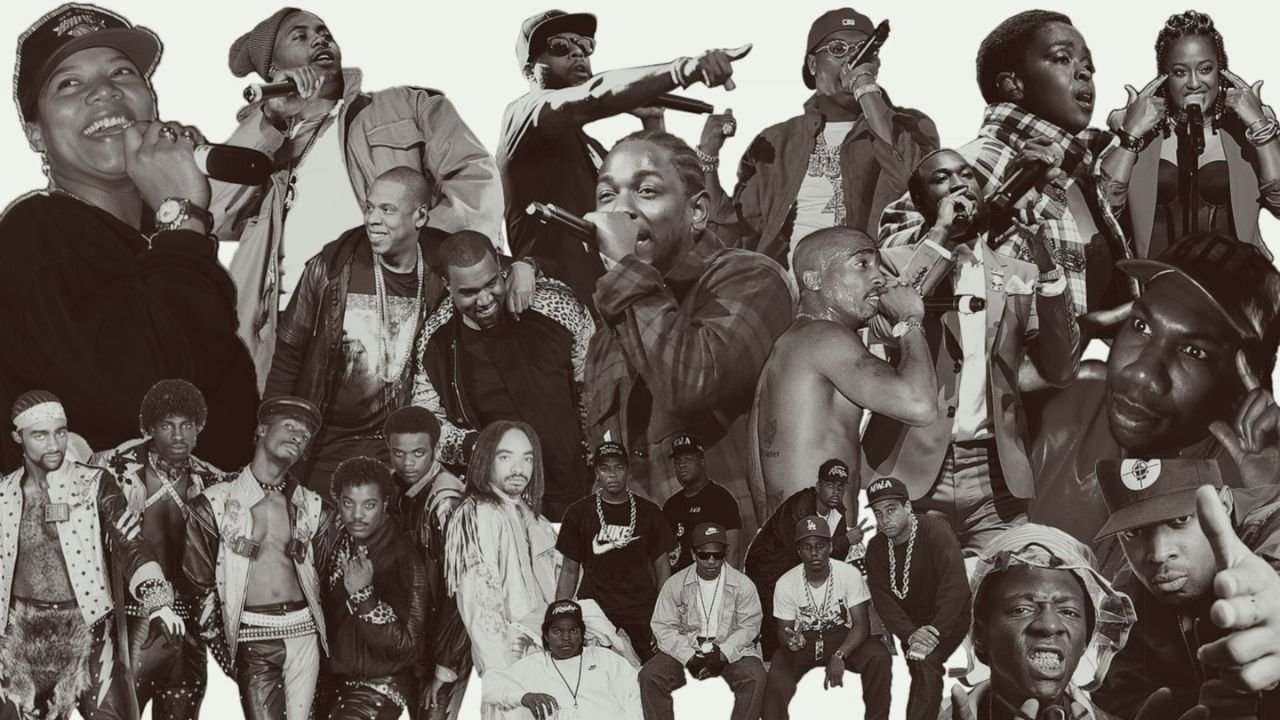
Art and cultural expression have always been a significant part of resistance movements. From music to visual arts, literature to dance, creative expression gives marginalized communities the power to communicate their experiences and demand change. Cultural forms of resistance provide an outlet for marginalized groups to express their collective pain, joy, and hope in the face of oppression.
Take the example of the protest music during the civil rights movement in the U.S., or the powerful murals and street art in the fight for justice in Latin America. These forms of cultural expression provide a platform for stories that might otherwise go unheard. They humanize the resistance, creating emotional connections that transcend political barriers and echo through time.
Cultural Identity in the Context of Global Movements
As global solidarity grows, cultural identity continues to serve as a unifying force in movements for justice around the world. The fight for social justice in one country can often inspire resistance movements in others, creating a network of solidarity that transcends national boundaries.
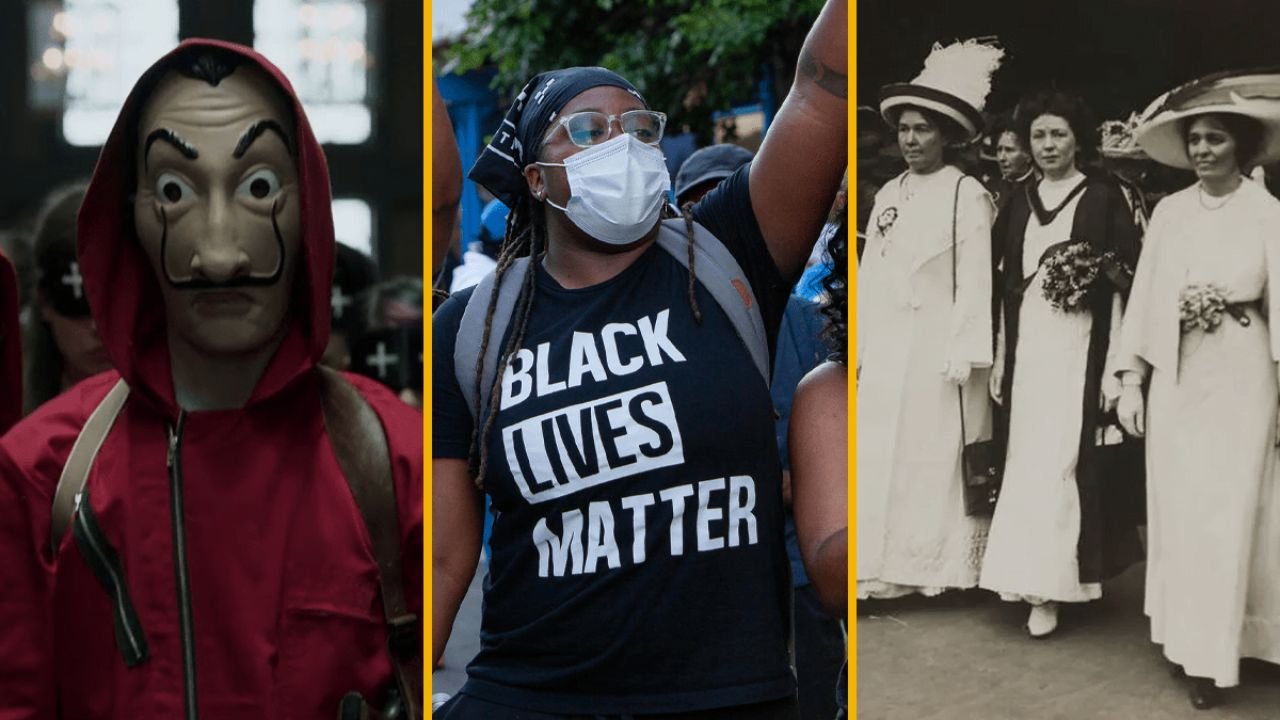
The Black Lives Matter movement, for instance, is an example of how a cultural and racial identity rooted in the African-American experience in the U.S. has resonated worldwide. From protests in the UK to marches in Australia, the message of racial justice has crossed borders, with activists from various cultures rallying around shared goals of equality, freedom, and dignity.
Similarly, movements such as #MeToo and climate justice activism have used cultural identity as a platform for global action. These movements emphasize shared values of equity, respect, and collective responsibility, creating a new wave of resistance that is both locally rooted and globally connected.
Resistance Through Cultural Practices
In many resistance movements, cultural practices such as traditional dances, rituals, and ceremonies play an integral role in the fight for justice. These cultural elements serve as both a form of self-expression and a reminder of what is at stake in the struggle for autonomy and dignity.
For example, in the Māori culture of New Zealand, the traditional haka dance has been used as a form of protest and resistance for centuries. It is not just a ceremonial dance but a symbol of strength and unity against oppression. Similarly, in the face of environmental destruction, Indigenous communities across the world have used traditional knowledge and cultural practices to resist the exploitation of their lands.
Cultural practices remind resistance movements of their deep-rooted connection to their heritage and their ongoing commitment to preserving it. These practices fuel the determination to continue the fight against injustice and ensure that future generations will be able to inherit a culture that is alive and thriving.
The Future of Cultural Identity and Resistance
As the world becomes more interconnected, cultural identity continues to play an essential role in shaping resistance movements. The advent of digital technology and social media has provided new platforms for marginalized groups to share their cultural experiences and resist global systems of oppression. Whether it’s through hashtags like #BlackLivesMatter or #MeToo, or through the rise of online Indigenous activism, the digital age has allowed cultural identity to evolve and expand in ways that were previously unimaginable.
However, challenges remain. Cultural identity, while a powerful tool for resistance, can also be used to divide and fuel conflicts. The future of cultural resistance will depend on the ability of movements to build solidarity, navigate complex intersections of identity, and create a vision of justice that is inclusive and transformative for all.
Conclusion
Cultural identity is more than just an individual characteristic; it is a force that shapes collective movements for justice and change. From language revitalization to creative expression, and from local protests to global solidarity movements, cultural identity remains a central pillar of resistance. Understanding how cultural identity shapes these movements is crucial in recognizing the power of marginalized communities to resist oppression and fight for a more just world.
How has cultural identity shaped your understanding of resistance movements? Share your thoughts and experiences in the comments below, and visit mpmr.org for more insights into the role of culture in activism.