In recent years, young activists around the world have emerged as some of the most influential voices in political discourse. From climate change to racial justice, youth-led movements are challenging established norms, reshaping public opinion, and driving policy change. With their energy, digital literacy, and commitment to social justice, these young activists are redefining what it means to participate in politics in the 21st century.
The Rise of Youth Activism
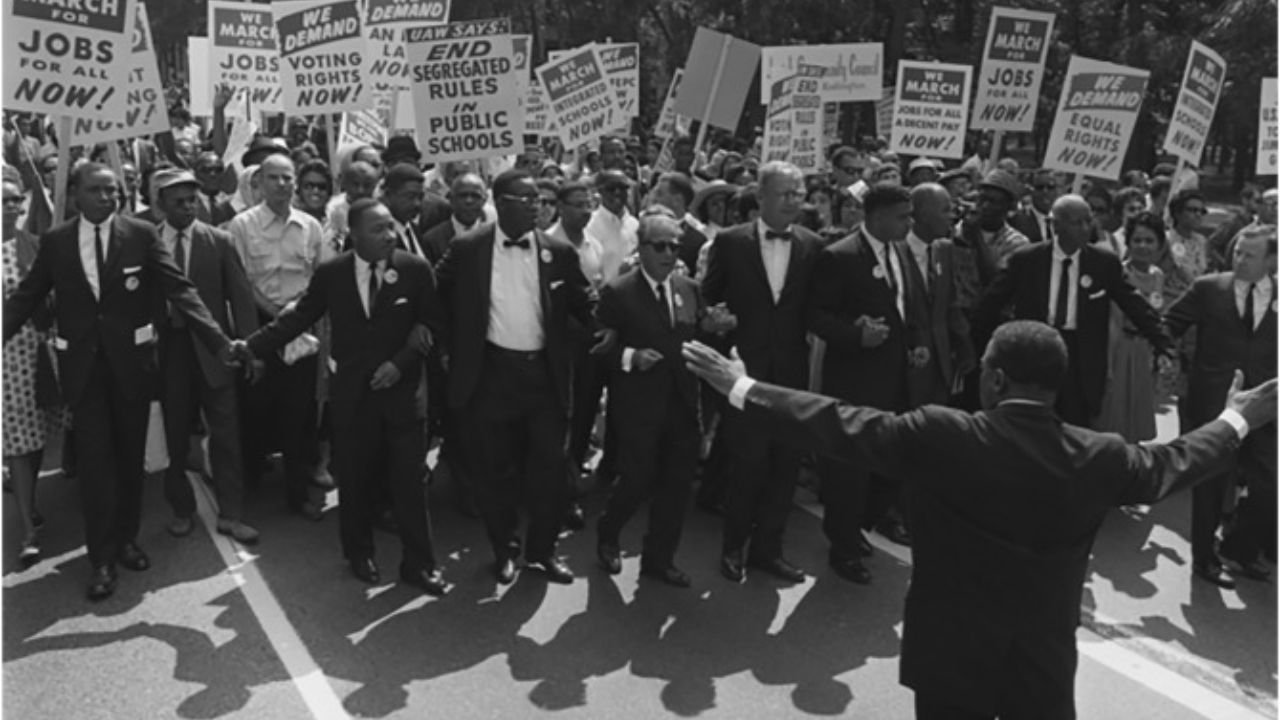
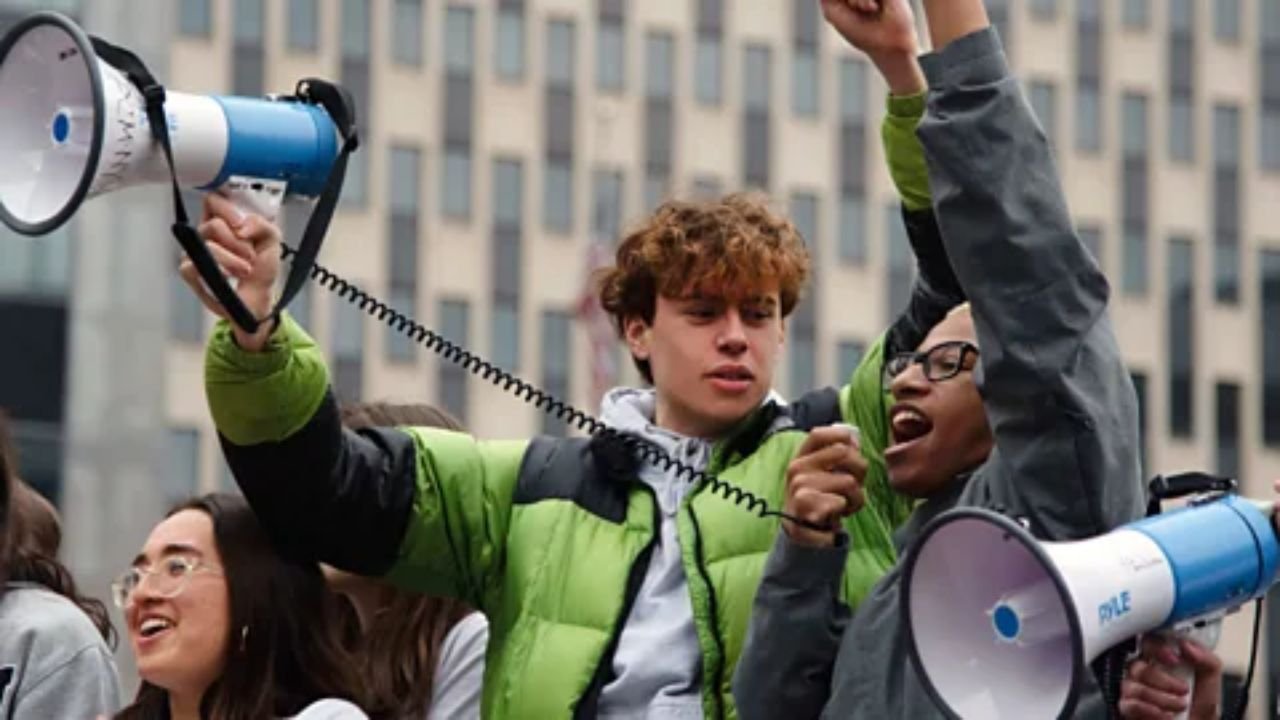
The political engagement of young people has historically been underestimated. However, recent events show a dramatic shift in this narrative. Global movements like Fridays for Future, led by Greta Thunberg, and the March for Our Lives movement in the United States, initiated by students in response to school shootings, have demonstrated the capacity of youth to organize on a massive scale.
Young activists are uniquely positioned to leverage social media platforms such as Twitter, Instagram, and TikTok to amplify their messages. Unlike traditional movements, which often rely on institutional channels, these activists bypass gatekeepers, spreading information and mobilizing supporters directly.
Digital Activism: A Modern Tool
Digital technology has transformed activism, enabling young people to enact political change with unprecedented speed. Hashtags, viral videos, and online petitions are not just symbolic—they influence media coverage, spark public debates, and pressure policymakers.
For instance, climate strikes organized via social media reach millions within days, prompting global media coverage and even prompting government officials to address youth concerns. Similarly, movements advocating for racial equality have used digital platforms to expose injustices in real-time, fostering solidarity across borders.
Challenging Traditional Power Structures
Young activists are disrupting long-standing political hierarchies. They demand accountability, transparency, and ethical governance, often challenging politicians and institutions to confront systemic issues. Their approach is less about incremental reform and more about systemic change, aiming to tackle root causes rather than symptoms.
One striking example is the global climate movement, which not only pressures governments to reduce carbon emissions but also calls for structural shifts in energy policies, urban planning, and international trade practices. By connecting local activism to global objectives, young activists demonstrate a sophisticated understanding of political strategy.
Youth-Led Policy Initiatives
The impact of youth activism is no longer limited to protests and online campaigns. In several cases, young people have influenced concrete policy decisions.
In the United States, student activists advocating for gun control have successfully lobbied for legislation in multiple states. Across Europe, youth climate councils collaborate directly with policymakers to shape sustainable energy policies. Even at local levels, young community organizers are implementing initiatives that address education, healthcare, and environmental protection.
These examples show that youth activism is not just performative; it has measurable outcomes that reshape political priorities and societal norms.
Barriers and Challenges
Despite their successes, young activists face considerable challenges. Age-related biases often dismiss their contributions, while institutional inertia slows the adoption of their proposals. In some regions, activists face harassment, censorship, or even arrest, particularly when their movements challenge entrenched authorities.
Moreover, sustaining engagement can be difficult. Burnout is common due to the emotional toll of activism and the high stakes of the issues they tackle. Balancing activism with education, work, and personal life adds another layer of complexity.
The Global Perspective
The influence of young activists extends far beyond national borders. International coalitions of youth are shaping conversations about climate, human rights, and social justice on a global scale. Movements in one country inspire action in others, creating a ripple effect of civic engagement.
For example, the youth-led Fridays for Future strikes have inspired similar climate movements in Asia, Africa, and South America. Social media ensures that these movements are interconnected, creating a sense of shared purpose and global solidarity.
The Future of Political Change
Young activists are proving that age is no barrier to impact. They are rewriting the rules of political engagement, showing that organized, informed, and passionate youth can influence governance at all levels. Their efforts remind society that democracy is strengthened when all voices, including those historically underrepresented, are heard.
As more young people take the stage, political institutions will need to adapt, embracing inclusivity, transparency, and responsiveness. Their activism is not merely a generational phenomenon; it is a transformative force that will shape political landscapes for decades to come.
Want to understand more about the power of youth in politics? Visit mpmr.org for in-depth articles and analyses on activism, political change, and grassroots movements. Share your thoughts in the comments below—how do you see young activists shaping the future?