Personal narratives have always held a unique power in shaping national discourse. In politics, legislation, and public policy, individual stories often carry more weight than abstract statistics or technical reports. When citizens, activists, or affected individuals share their lived experiences, these accounts humanize complex issues, evoke empathy, and can influence lawmakers’ decisions. Understanding how personal stories impact national policy debates helps illuminate the intersection between human experience and political action.
The Emotional Power of Lived Experiences
Statistics and reports are essential for informed policymaking, but numbers alone often fail to capture the human dimension of an issue. Personal narratives bridge that gap. Stories about healthcare struggles, education inequality, or environmental disasters give faces and voices to abstract problems, making them tangible to both the public and decision-makers.
For instance, when families affected by natural disasters share their struggles with inadequate emergency responses, policymakers are confronted with the tangible consequences of legislative gaps. A heartfelt narrative about a child unable to access proper schooling or a family displaced by flooding can ignite public outrage and catalyze reform more effectively than data charts alone.
Amplifying Marginalized Voices
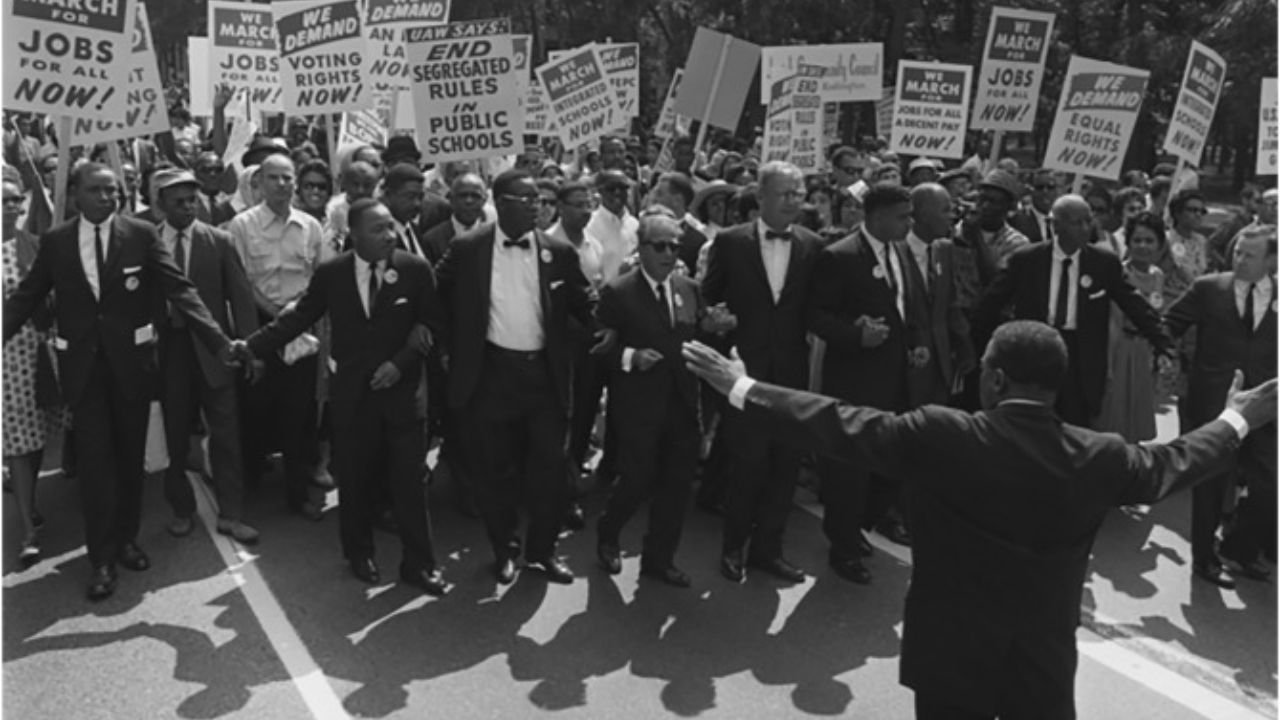
One of the most critical functions of personal narratives is their ability to amplify the voices of marginalized communities. These narratives expose systemic inequalities that might otherwise go unnoticed in national debates. Activists, journalists, and everyday citizens can share their stories through media, social platforms, and public testimony, ensuring that policymakers hear directly from those most affected.
The Black Lives Matter movement demonstrates this influence clearly. Personal accounts of police brutality and systemic racism brought urgent attention to issues of racial inequality. When these narratives were shared widely, they influenced local and national conversations, prompting policymakers to reconsider practices around law enforcement accountability, funding, and reform.
Storytelling as a Political Tool
Politicians and advocacy groups often use personal narratives strategically to garner support for policies. Anecdotes about families struggling with healthcare costs, veterans facing mental health challenges, or immigrants navigating complex legal systems resonate with constituents on a personal level. By framing policies around real human experiences, policymakers can connect emotionally with the public, creating pressure for legislative action.
For example, in debates over healthcare reform, individual stories about patients denied necessary treatments or facing financial ruin have historically swayed public opinion and influenced lawmakers. Personal testimonies, when presented in hearings or media campaigns, make abstract policy debates immediate and relatable.
Media’s Role in Elevating Personal Stories
Modern media platforms, from national news networks to social media, amplify personal narratives and extend their reach. Viral stories often spark grassroots movements, compel journalists to investigate systemic issues, and attract the attention of legislators. Social media, in particular, allows individuals to share their experiences widely and in real time, creating public awareness that can translate into political pressure.
Consider the #MeToo movement, where personal stories of harassment and abuse were shared globally. These narratives not only ignited cultural change but also influenced legislative reforms around workplace protections, harassment policies, and accountability measures.
Challenges of Using Personal Narratives
While personal stories are powerful, they also carry limitations. Policymakers must balance anecdotal evidence with empirical data to avoid bias. There is also the risk of oversimplification, where one narrative is assumed to represent an entire population’s experience. Despite these challenges, personal narratives remain a critical tool in driving awareness, shaping public opinion, and influencing legislative priorities.
Creating Policy Through Human Connection
Ultimately, personal narratives remind us that policy debates are about people’s lives. When citizens share their experiences, they transform policy discussions from abstract arguments into real-world impacts. Stories of struggle, resilience, and triumph create empathy, build coalitions, and often prompt action where pure data fails to do so.
Whether in healthcare, education, immigration, or civil rights, the inclusion of personal narratives in national debates ensures that policies are responsive to human needs. They remind policymakers that behind every law, budget, or program are real people whose lives depend on thoughtful, compassionate decision-making.
Call to Action
Personal narratives are reshaping how we think about national policy. How have personal stories influenced your views on important issues? Share your experiences in the comments below, and visit mpmr.org for more articles exploring activism, social change, and the voices shaping our nation.