Protests have long served as powerful tools for social change, giving a voice to the voiceless and challenging systemic injustice. In today’s digital age, the act of documenting protests has taken on greater significance than ever before. Whether through photographs, videos, or written accounts, capturing these moments not only helps to preserve history but also amplifies the message of the movement, spreads awareness, and holds those in power accountable.
This article explores the importance of documenting protests, its impact on movements, and why it’s essential for future generations to witness these historic moments.
The Role of Documentation in Social Movements
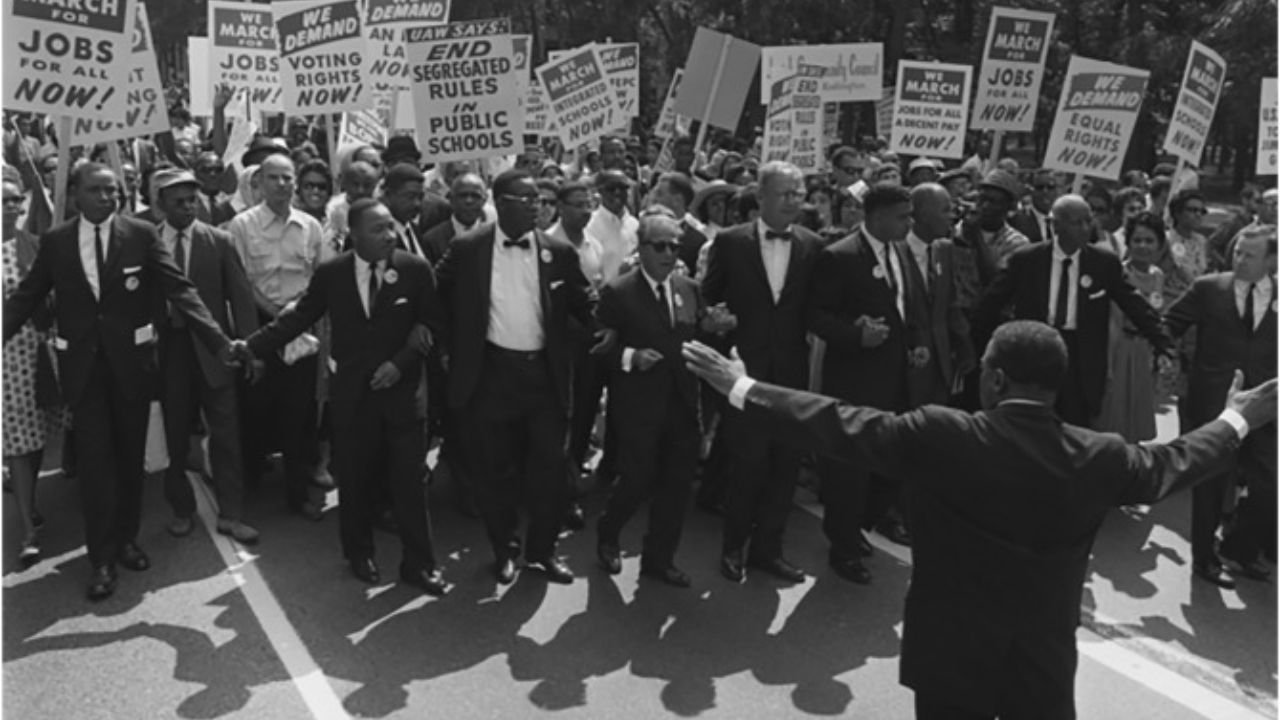
The history of protest movements is rich with images and footage that have shaped the course of political change. From the iconic images of civil rights marches to the haunting footage from the Tiananmen Square protests, visual documentation has played a pivotal role in defining the success and visibility of social movements.
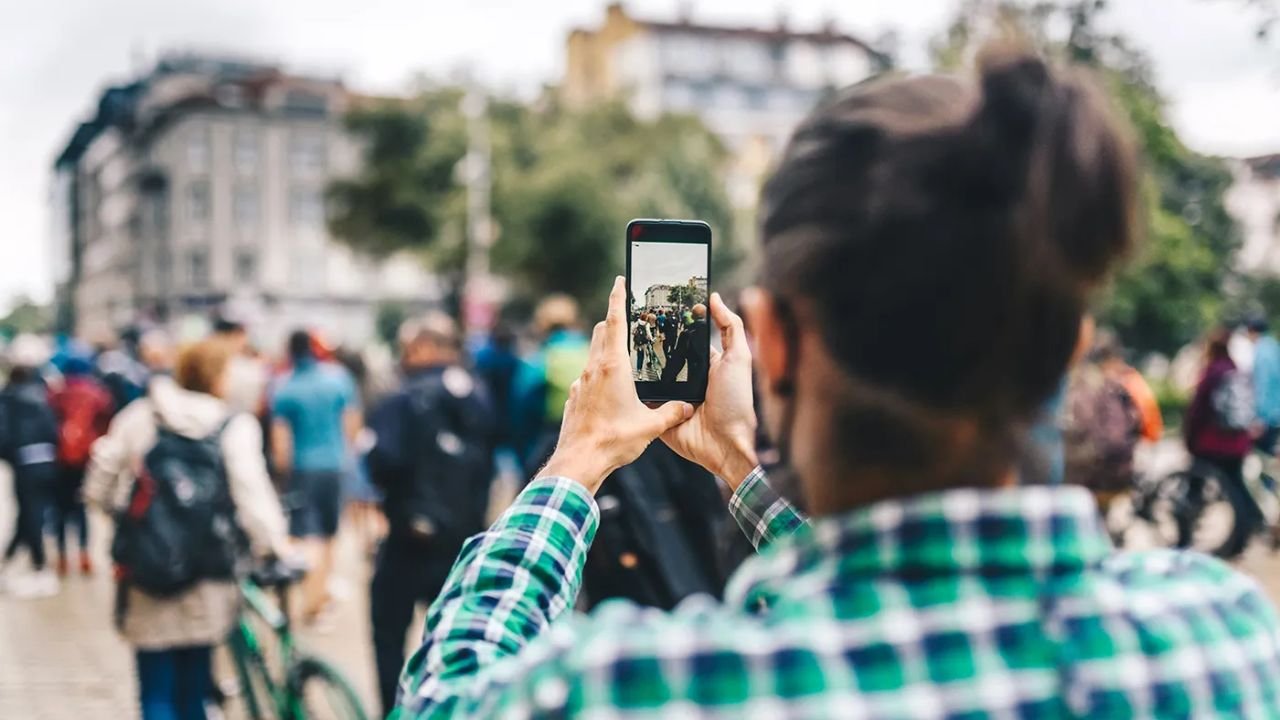
In the past, the power to document was often limited to professional photographers and news outlets, but today, smartphones and social media have democratized this ability. Now, anyone at a protest can capture a moment and share it with the world in real-time. This shift has allowed for a more direct and immediate form of documentation, bypassing traditional media and providing unfiltered access to what’s happening on the ground.
Amplifying the Voices of the Marginalized
Protests are often the culmination of years of struggle by marginalized communities, but these voices are frequently overlooked or misrepresented by mainstream media. However, through documentation, these voices can reach a global audience. Platforms like Twitter, Instagram, and Facebook allow protestors to share their stories and challenges directly, without the filter of corporate or state-run media.
Citizen journalism, whether it’s through photos, videos, or social media updates, enables activists to capture moments of resistance as they happen, ensuring that their stories are heard on a broader scale. This has proven to be especially powerful in movements like Black Lives Matter, where the use of mobile phones and social media brought attention to systemic racism and police brutality, sparking global protests and conversations.
Preserving Protest as Evidence
Protest documentation doesn’t just help to spread a movement’s message; it also serves as a historical record. As time passes, these records can be invaluable in understanding how social movements have shaped societies and what lessons can be learned for future activism. The images and videos captured during protests allow future generations to witness and learn from the struggles that came before them.
In cases where protests face violent repression, documentation becomes critical as evidence for accountability. For example, footage showing police violence or human rights violations can serve as powerful tools for justice, ensuring that those responsible are held accountable.
The Impact of Photography and Video on Modern Protests
Photography and video are among the most impactful forms of protest documentation in modern times. They capture not only the moment but also the emotions, the energy, and the intensity of the protest. Images of a protestor facing off against an armed police officer or a community coming together in defiance resonate on a deep emotional level and can mobilize others to join the cause.
With the widespread use of smartphones, protestors and activists can now capture events in real-time and share them instantly. These images and videos can go viral, bringing attention to a protest in ways that would have been unimaginable just a decade ago. The immediacy of this documentation often leads to rapid response from the public, press, and policymakers.
Ethical Considerations in Protest Documentation
While documenting protests is crucial, it also comes with ethical considerations. The safety and privacy of those involved in the protest must always be a priority. Many protestors put themselves at great risk by participating in movements, and capturing their image or personal information can have consequences.
Furthermore, it’s important to verify the context of the images and videos shared. Misleading or out-of-context visuals can misrepresent the goals of a protest and cause confusion or harm. Ethical documentation ensures that the story being told is true to the spirit of the movement and does not compromise the safety or privacy of those involved.
The Power of Social Media in Modern Protest Documentation
Social media platforms have become essential tools for documenting and sharing protests. The ability to live-stream, post real-time updates, and instantly share images allows protestors to bypass traditional media channels and tell their stories directly to the world. This has revolutionized the way protests are documented and perceived.
For instance, hashtags like #MeToo, #BlackLivesMatter, and #FridaysForFuture have become global rallying cries, largely because of how they were amplified through social media documentation. These movements have not only raised awareness about important social issues but also inspired millions to take action.
Conclusion: The Importance of Capturing Protest Moments
Documenting protests is not just about preserving history—it’s about amplifying voices, ensuring accountability, and inspiring future generations to continue the fight for justice. As technology continues to evolve, the tools available to document and share these moments will only increase, making it even easier for future movements to capture and share their struggles.
By continuing to document protests, we ensure that these critical moments are not forgotten and that the fight for justice remains in the public eye.
Call to Action:
Want to learn more about the role of protest movements and resistance? Visit mpmr.org for more articles, insights, and resources. Share your thoughts and experiences in the comments below!