In today’s digital age, the internet has revolutionized the way political resistance movements emerge, spread, and gain support. Social media platforms, once considered mere entertainment tools, have evolved into powerful weapons for social change. Among the most effective tools in this digital resistance arsenal are memes, hashtags, and viral content. These forms of expression allow for rapid mobilization, global solidarity, and the ability to challenge the status quo in ways that traditional forms of protest never could.
This article delves into how digital culture, specifically memes, hashtags, and viral content, has become an essential tool for political resistance. By analyzing their role in modern protests and movements, we uncover the unique power of these digital strategies in shaping public discourse and influencing real-world change.
The Rise of Digital Resistance: A Brief History
Digital culture has always been intertwined with the political landscape, but its role in resistance movements became particularly evident during events like the Arab Spring in 2011. Social media platforms like Facebook and Twitter enabled activists to bypass traditional media channels, organizing and broadcasting protests that were initially suppressed by autocratic regimes. The use of hashtags, such as #Jan25 during Egypt’s revolution, allowed global audiences to follow along, engage, and offer solidarity, amplifying the voice of those on the ground.
Since then, the role of digital tools in resistance movements has only grown. The ability to spread messages, images, and videos quickly, often with humor or satire, has made memes and viral content a central part of how resistance movements gain traction and force political change.
Memes: Political Satire in the Digital Age
Memes have become the language of the internet. These simple, often humorous images or videos, typically paired with text, have a unique ability to condense complex political issues into digestible, shareable content. In the context of political resistance, memes are a powerful tool for several reasons.
First, they are highly shareable. A well-crafted meme can spread like wildfire across social media platforms, often bypassing traditional news outlets. This virality ensures that the message reaches a wide audience, often in a format that appeals to younger, digitally-savvy individuals.
Second, memes have the power to humanize complex issues. Whether it’s a protestor’s struggle for justice or a critique of government corruption, memes can present these issues in a way that resonates with emotions and humor. This accessibility makes political activism feel more inclusive and relatable, breaking down barriers for people who might otherwise remain indifferent to a cause.
An example of meme-driven political resistance is seen in the global #MeToo movement. Memes expressing solidarity with survivors of sexual harassment and assault not only sparked conversations but also gave victims a platform to speak out. By simplifying the narrative into easily shareable formats, the movement gained global momentum.
Hashtags: Unifying Voices and Creating Movements
Hashtags are more than just a way to categorize content on social media—they have become a critical tool for organizing and amplifying political resistance. Hashtags create a unified space where people can share their experiences, rally behind a common cause, and mobilize quickly.
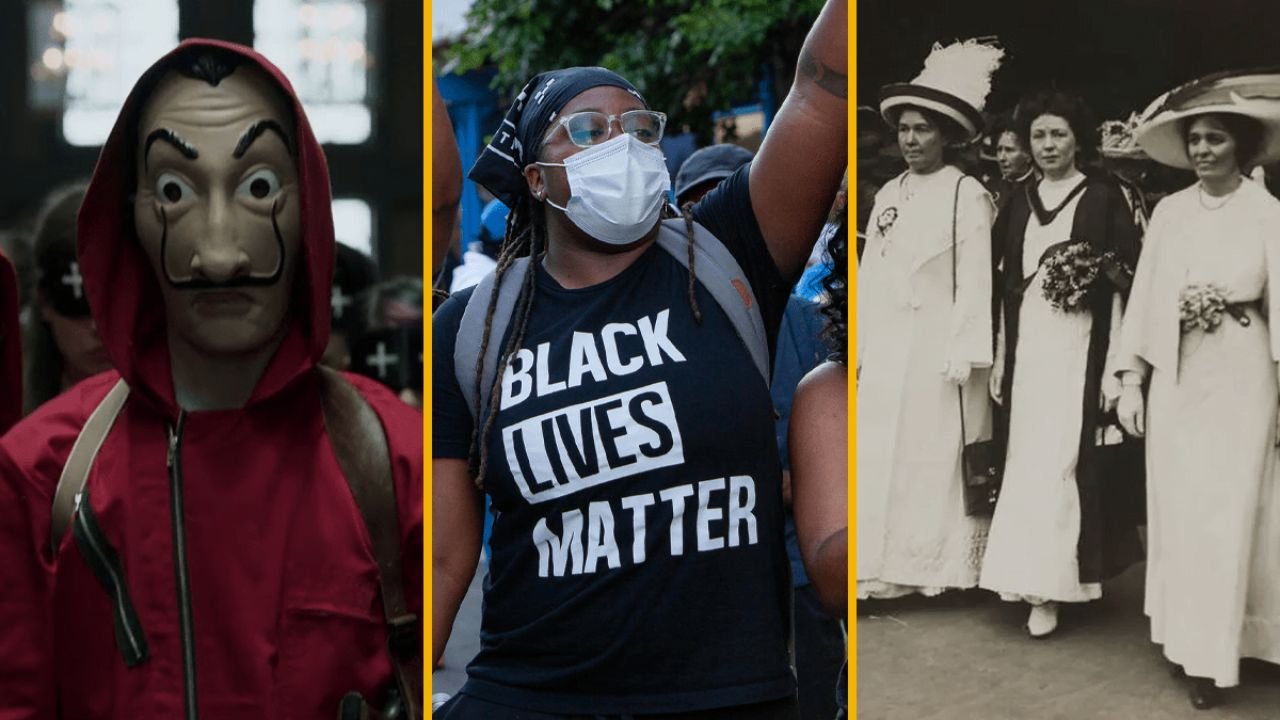
The Black Lives Matter movement is a prime example of how hashtags can fuel resistance. The hashtag #BlackLivesMatter became a symbol of the fight against police brutality, offering a rallying point for people around the world. What started as a social media hashtag quickly transformed into a global movement with real-world impacts, including protests, policy changes, and increased awareness around issues of racial injustice.
The strength of hashtags lies in their ability to generate momentum. With every tweet, Instagram post, or Facebook status, people contribute to the collective conversation. As more voices join in, the movement grows stronger, creating a sense of unity and urgency.
Hashtags also facilitate direct engagement with political leaders, policymakers, and other influential figures. Activists can leverage these tags to get the attention of politicians and demand action. In many ways, hashtags have democratized the ability to petition and protest, allowing anyone with access to the internet to participate in large-scale movements.
Viral Content: The Speed of Digital Activism
Viral content has proven to be one of the most impactful forms of political resistance. Videos, images, and stories that go viral on platforms like Twitter, YouTube, and TikTok can rapidly spread awareness about critical social and political issues. What makes viral content so powerful is its immediacy—the content can be shared millions of times within hours, amplifying the message and putting pressure on the relevant authorities.
A notable example of viral content in political resistance was the footage of George Floyd’s death, which was recorded and shared by a bystander. The video sparked global protests and brought issues of police brutality and racial injustice to the forefront of public consciousness. This video became a catalyst for not only protests but also significant conversations about the need for systemic change in law enforcement and criminal justice.
Viral content also plays a role in holding the powerful accountable. Whether it’s videos of government corruption, police violence, or environmental destruction, viral content puts these issues in the public eye, forcing authorities to respond. In many cases, the viral spread of content has led to real-world consequences, from legal reforms to public apologies or even resignations.
The Challenges of Digital Resistance
While memes, hashtags, and viral content are powerful tools, they also come with challenges. One significant concern is misinformation. As political movements gain momentum, there is often a flood of false or misleading content that can dilute the message and hinder progress. The spread of fake news can also be weaponized by opposing forces to discredit movements or create division.
Additionally, the anonymity provided by the internet can sometimes lead to trolling or online harassment, which can harm the movement’s credibility. Activists need to be mindful of maintaining a constructive dialogue online to ensure their messages are taken seriously and not overshadowed by negative rhetoric.
Conclusion: The Digital Revolution of Political Resistance
Digital culture has reshaped the way political resistance movements operate, with memes, hashtags, and viral content playing an instrumental role. These tools have democratized activism, providing a platform for voices that might otherwise be ignored. They have united individuals across the globe, creating solidarity and amplifying the message of resistance movements.
As the digital landscape continues to evolve, so too will the tools of resistance. What remains clear is that the internet has fundamentally altered the power dynamics between activists and the systems they oppose. Through digital culture, political resistance has found a new, dynamic voice—a voice that cannot be easily silenced.