In a world where global issues often dominate the headlines, smaller movements can easily get overlooked. Yet, history shows that many of the most impactful social changes have been driven by underdog movements—those without the financial power, institutional backing, or widespread popularity. From the civil rights movements in the U.S. to grassroots climate activism, smaller movements have found ways to gain global attention, making significant strides in advancing justice, equality, and environmental sustainability. But how do these movements achieve such recognition despite being the underdog?
The Role of Digital Media and Social Networks
In today’s interconnected world, the rise of social media platforms has been a game-changer for small movements. Social media networks like Twitter, Instagram, TikTok, and Facebook allow individuals and groups to bypass traditional media outlets and directly communicate with global audiences. This democratization of information enables smaller, grassroots movements to reach vast numbers of people in a fraction of the time it would take through traditional methods.
Movements such as Black Lives Matter and Fridays for Future have gained international recognition largely due to the power of digital platforms. Social media hashtags, viral videos, and real-time updates have allowed these movements to rally support worldwide, mobilizing activists and shedding light on issues that may have otherwise been sidelined. For example, the viral nature of the #MeToo movement brought global attention to sexual harassment, sparking conversations and changes in workplace cultures around the world.
The power of digital media lies in its ability to amplify voices that might otherwise be unheard. Whether it’s a tweet, an Instagram post, or a viral video, these platforms allow small movements to reach a large audience and encourage mass mobilization, advocacy, and solidarity.
Creating a Narrative: The Power of Storytelling
Small movements often gain global attention because they tell a compelling, relatable story. People across the globe are more likely to support a cause when they can understand the personal struggles and challenges that the movement is addressing. Storytelling is at the heart of many successful movements. Through powerful narratives, underdog movements have been able to humanize their causes, creating a personal connection with the public.
Take, for instance, the #BlackLivesMatter movement, which started as a hashtag in response to the tragic death of Trayvon Martin. The movement gained global attention not just because of its social media presence but because it gave a face to the racial inequality in the U.S. The movement emphasized personal stories of individuals affected by police brutality, making the issue not just political but deeply personal and human.
Storytelling, when done effectively, turns a political issue into a relatable and emotional experience, compelling people to pay attention and take action. Whether it’s through personal accounts, videos, or even documentaries, movements that center the voices of those directly affected by the issues they fight for are more likely to resonate with a global audience.
Strategic Alliances and Solidarity
While smaller movements often start with limited resources, they can gain global recognition by forming strategic alliances and building solidarity with larger, established movements. These alliances amplify the message and broaden the reach of the underdog movement. By collaborating with other groups or international organizations, small movements can gain more credibility and support, pushing their cause into the global spotlight.
One example of this is the Fridays for Future movement, initiated by Swedish activist Greta Thunberg. Initially a one-person protest, it quickly gained traction and formed alliances with established environmental organizations. With the backing of the United Nations and thousands of youth activists worldwide, Fridays for Future became a global force for climate action. Strategic alliances with established organizations provided the movement with the credibility and reach it needed to become a global force.
The Power of Nonviolent Protest and Public Action
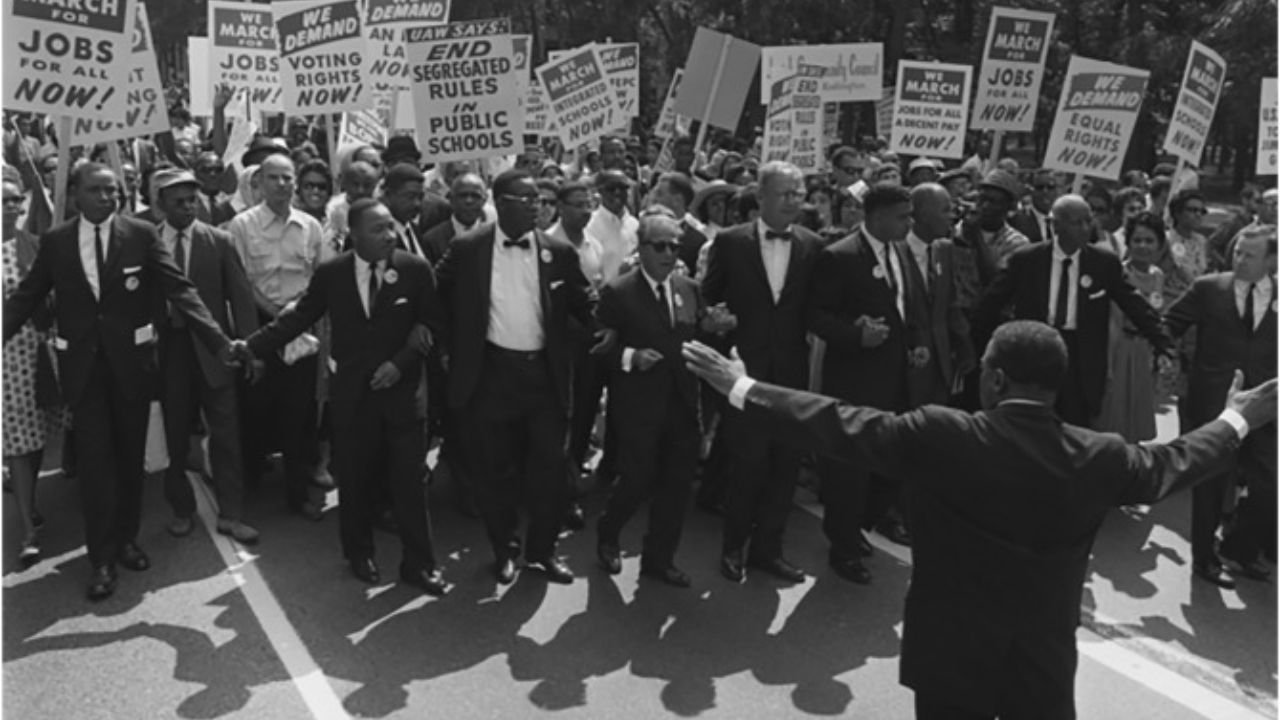
Nonviolent protest has always been an effective way for smaller movements to gain global attention. From Gandhi’s Salt March to the March on Washington during the U.S. civil rights movement, peaceful protest has been an enduring method of attracting the world’s attention to social injustices. Nonviolent movements are often more difficult to ignore, as they carry a moral weight that is hard to dismiss. Images of peaceful protests, particularly those met with violent opposition, have a profound impact on the public, compelling them to pay attention to the underlying cause.
For example, the Umbrella Movement in Hong Kong, a peaceful pro-democracy protest, gained significant global attention because of its commitment to nonviolent action, even when faced with severe repression. The images of young protesters standing firm in the face of police violence resonated with people worldwide, bringing international attention to Hong Kong’s struggle for democratic freedoms.
Leveraging Celebrity and Influencer Support
Another key factor in how smaller movements gain attention is the endorsement of celebrities and influencers. Public figures who align with the cause can provide a huge boost, drawing their vast audiences to the movement. Celebrities have long used their platforms to bring attention to social issues, but the rise of social media influencers has democratized this trend, giving more activists the opportunity to raise their voices.
For instance, Greta Thunberg’s advocacy for climate change has received support from high-profile individuals such as Leonardo DiCaprio, Barack Obama, and Emma Watson. Their backing brought more mainstream attention to the environmental movement, helping amplify the cause. This celebrity endorsement is not limited to the entertainment world; athletes, political figures, and even business leaders can play a role in amplifying smaller movements by using their platforms to support and elevate these causes.
Conclusion: The Resilience of the Underdog
Smaller movements may start with limited resources, but through the strategic use of digital media, powerful storytelling, alliances, nonviolent protest, and celebrity support, they can gain global attention. The underdog movements of today are a testament to the power of people coming together for a cause they believe in, despite the odds stacked against them.
As we continue to see in global protests and social movements, the potential for small-scale activism to create significant change is immense. The resilience and creativity of underdog movements show that with the right tools and strategies, even the smallest voices can amplify and echo across the globe.
Are you inspired by the power of small movements making global waves? Join the conversation and share your thoughts with us in the comments below. For more articles on activism, justice, and global change, visit mpmr.org.