Art has always been more than just a form of personal expression—it is a powerful instrument for social commentary and resistance. Across history, creative works have given voice to marginalized communities, challenged oppressive systems, and inspired collective action. Whether through visual arts, music, literature, or performance, art provides a unique platform to question authority, document struggles, and mobilize communities toward change. This article explores how creative expression functions as a tool for resistance and why it remains crucial in contemporary movements for justice.
Art as a Mirror of Society
Creative expression often reflects the social, political, and cultural realities of the communities it emerges from. Artists capture the emotions, frustrations, and aspirations of their societies, translating experiences that might otherwise be ignored into powerful visual or auditory narratives. Murals, street art, songs, and literature serve as living records of resistance, documenting the realities of oppression in ways statistics and reports cannot.
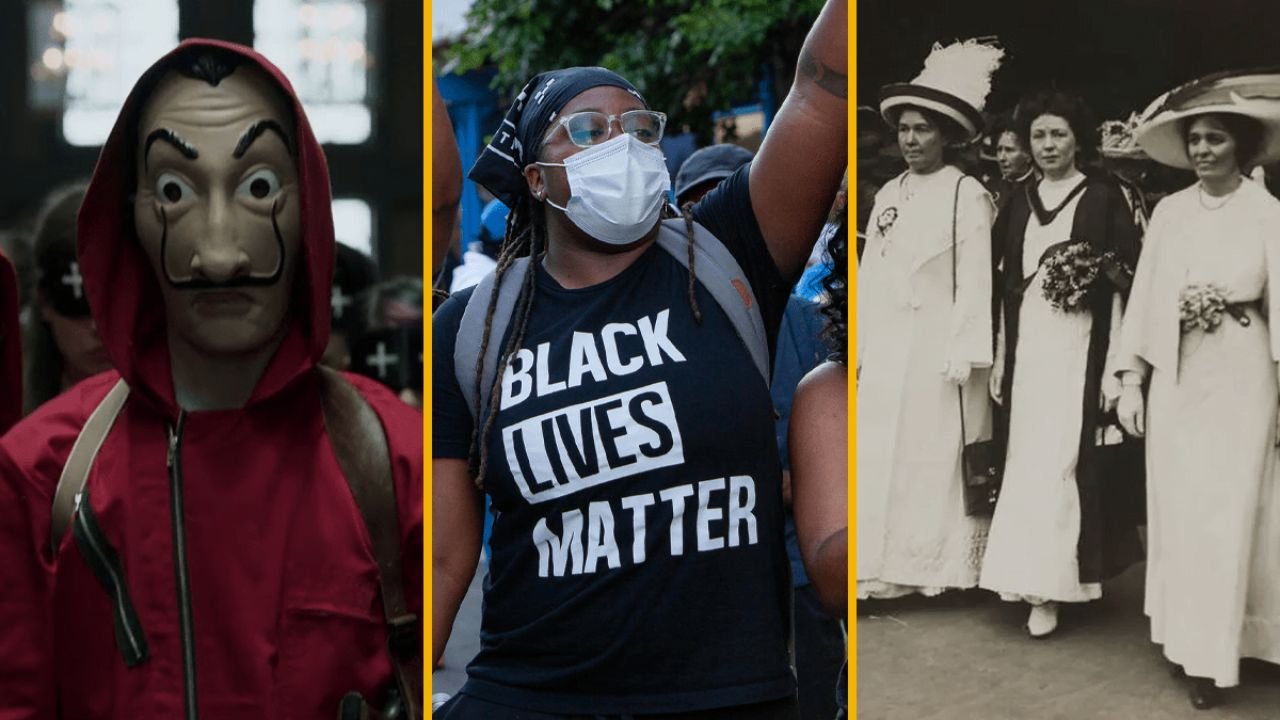
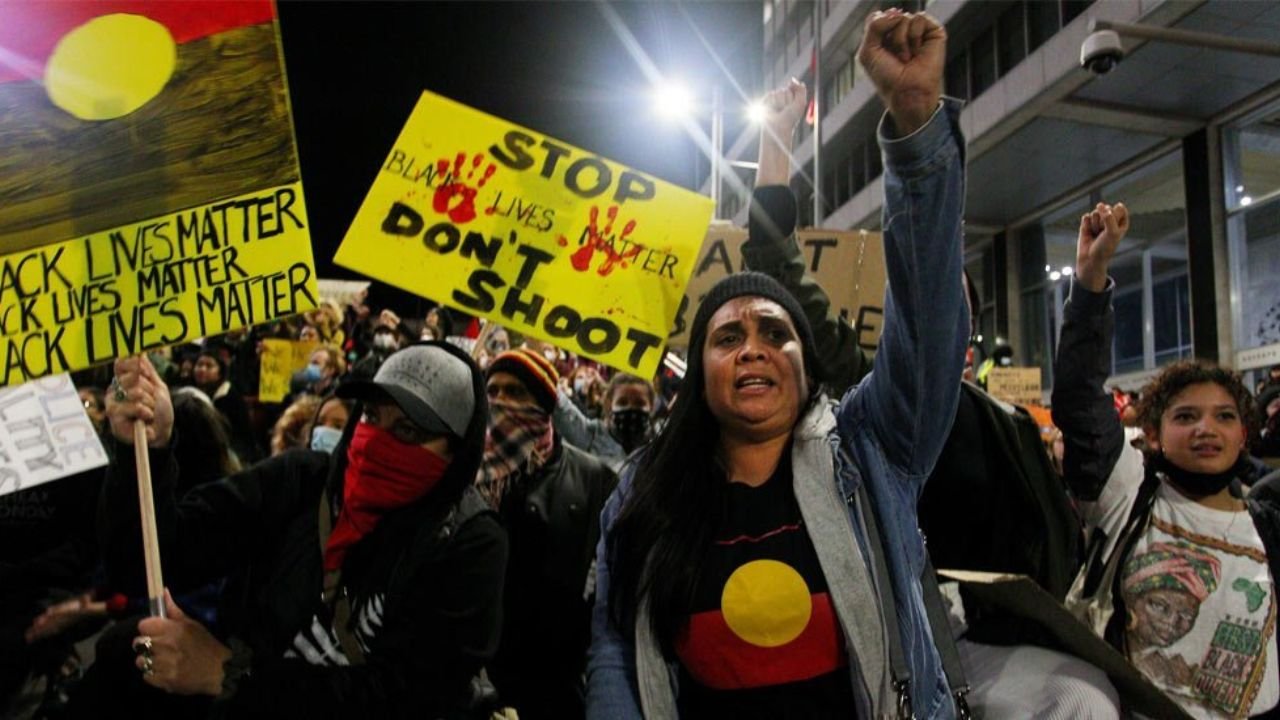
For example, graffiti and murals during protests have become iconic representations of social movements worldwide. From the vibrant murals during the Black Lives Matter demonstrations in the United States to the graffiti used in Hong Kong’s pro-democracy protests, art communicates messages of defiance and solidarity. These works not only document events but also amplify the voices of communities that are often underrepresented or silenced in mainstream discourse.
Music as Mobilization and Protest
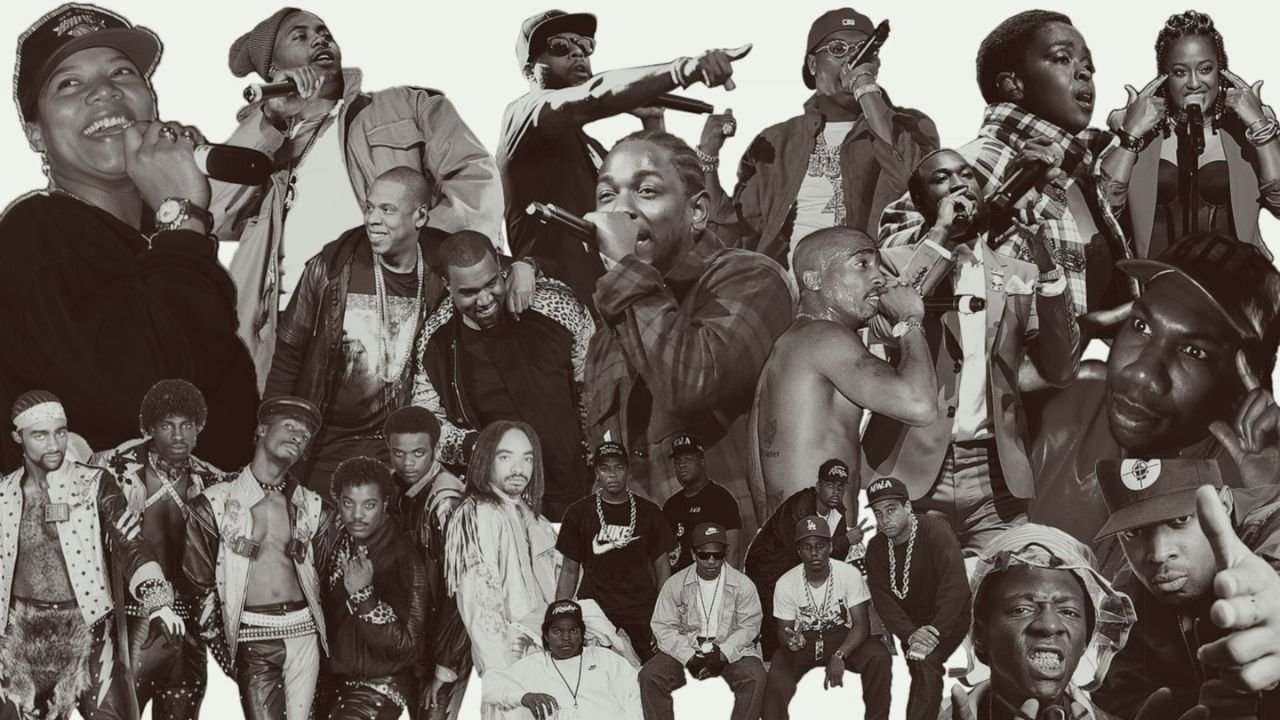
Music has historically been a driving force in social movements. Songs carry messages that resonate emotionally, creating unity among participants while drawing attention to injustices. Civil rights movements, anti-apartheid campaigns, and feminist movements have all relied on music to sustain momentum and galvanize support.
The spirituals sung by enslaved African Americans, for instance, were coded messages of hope and rebellion, often guiding escape or signalling collective action. In contemporary contexts, protest songs continue to inspire activism and keep attention focused on ongoing struggles. Music transforms personal anger and frustration into a shared experience, creating a sense of community and collective purpose.
Literature and Storytelling as Resistance
Writing, storytelling, and poetry are other potent forms of resistance. Authors and poets have historically challenged dominant narratives, exposing injustice and providing alternate perspectives. Through literature, readers experience the struggles and triumphs of marginalized communities, often leading to greater empathy and awareness.
Consider the works of writers like James Baldwin or Toni Morrison, whose novels and essays illuminate systemic racism in the United States, challenging social norms and inspiring dialogue. Similarly, underground zines, pamphlets, and digital storytelling platforms today allow activists to bypass traditional media channels, directly reaching audiences with critical messages and mobilizing support for their causes.
Visual Arts and Symbolic Resistance
Visual arts, from paintings to installations, play a vital role in resistance by creating enduring symbols of struggle. Artists often employ metaphor, symbolism, and abstraction to convey complex social and political critiques. For example, the use of the raised fist symbol in murals, posters, and installations has become a universal emblem of defiance and solidarity.
Street installations and performance art also provide immersive experiences that confront audiences with realities of injustice in ways that are difficult to ignore. By engaging people emotionally and intellectually, visual art not only communicates dissent but also compels audiences to reflect on their own role within society.
Digital Media and New Forms of Creative Resistance
In the digital age, art has expanded into new platforms and mediums. Social media, memes, video content, and interactive digital installations allow activists to reach global audiences instantly. Digital art can go viral, amplifying messages quickly and mobilizing support across borders.
During recent movements like #MeToo or global climate strikes, digital creative expression has allowed stories to transcend geographical boundaries, creating virtual communities united by shared causes. Online art campaigns also allow for decentralized participation, enabling individuals to contribute creatively to movements without being physically present, increasing safety and accessibility.
The Transformative Power of Art in Activism
Art functions as both a reflection and an agent of change. It humanizes abstract issues, making systemic injustices tangible and relatable. Creative expression allows individuals to process trauma, communicate collective frustrations, and envision alternative futures. Movements that integrate art into their activism often experience heightened engagement, stronger solidarity, and increased public awareness.
Furthermore, art challenges dominant narratives by asserting that resistance is not only about political action but also cultural and emotional expression. It reminds society that change is multidimensional—requiring not only policy shifts but also a transformation in values, perceptions, and cultural understanding.
Conclusion
Creative expression has always been a cornerstone of resistance, from ancient protest songs to modern digital art campaigns. By capturing human experiences, amplifying marginalized voices, and inspiring collective action, art remains an indispensable tool for activism. Its power lies not just in its aesthetic value, but in its ability to connect, provoke, and transform. For those engaged in social justice, art is both a weapon and a language—one that transcends borders, bridges communities, and challenges oppression in ways words alone often cannot.
Call to Action
Art is a vital instrument of resistance, and every creative voice matters. How have you used art to express your values or support social change? Share your experiences in the comments below, and explore more stories and analyses on activism, culture, and creative expression at mpmr.org.