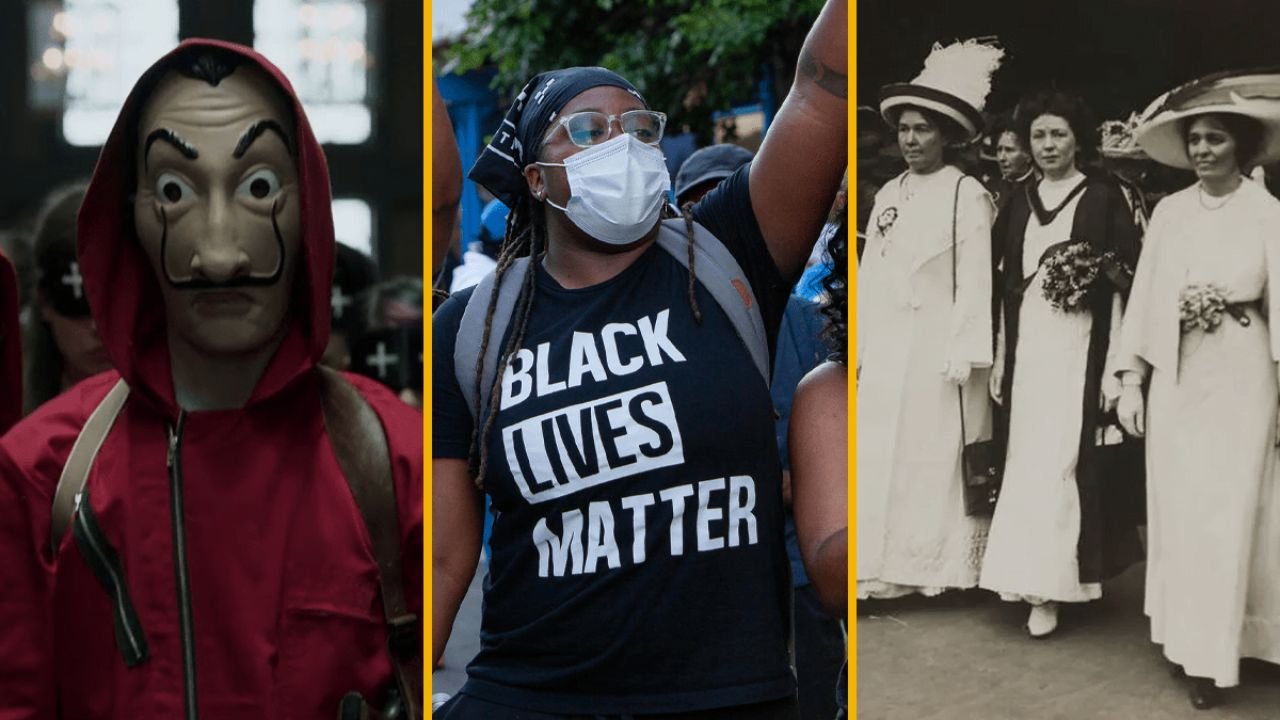
In today’s interconnected world, the lines between cultural appreciation, appropriation, and resistance are often blurred. While sharing and celebrating cultural elements can foster understanding and solidarity, it can also cross into exploitation, disrespect, or erasure of the very communities it draws from. Understanding the difference between cultural appropriation and cultural resistance is crucial for activists, artists, and audiences seeking to navigate these complex dynamics.
This article explores the nuanced distinctions, historical context, and contemporary implications of these practices, providing a framework to engage with culture responsibly and meaningfully.
Understanding Cultural Appropriation
Cultural appropriation occurs when individuals or groups take elements from a culture that is not their own—often a marginalized or oppressed culture—without permission or understanding. This can include traditional clothing, hairstyles, music, language, rituals, or symbols. The problem lies not just in the adoption but in the context: it often strips these elements of their original meaning, commodifies them, or reinforces existing inequalities.
Historically, cultural appropriation has been intertwined with colonialism and systemic oppression. For instance, Western fashion designers using Indigenous patterns or African motifs without acknowledging their origins is not a neutral act. Such practices can perpetuate stereotypes, erase the original context, and deprive the originating communities of control over their cultural expressions.
Defining Cultural Resistance
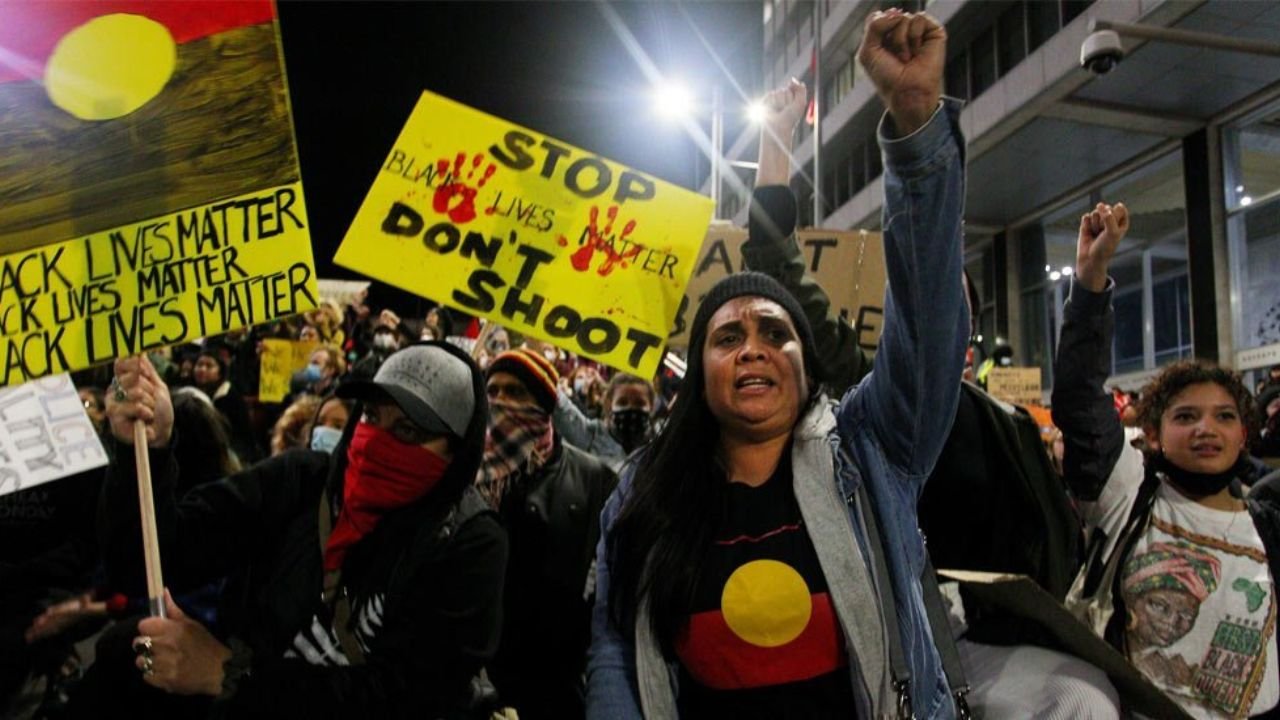
Cultural resistance, by contrast, involves using cultural expression as a tool for empowerment, protest, and social change. It often emerges from within the marginalized community itself and serves to assert identity, challenge oppression, and educate broader audiences. Examples include the use of music, visual art, literature, and clothing to maintain traditions in the face of colonization or systemic suppression.
Cultural resistance is inherently political. It asserts the right of a community to define and control its own culture, using creativity as a method of activism. A clear example is the Black Arts Movement of the 1960s and 70s, where art, poetry, and music were used explicitly to resist racial oppression and reclaim African American identity.
The Fine Line Between Appropriation and Resistance
The distinction between appropriation and resistance often hinges on context, consent, and power dynamics. Key questions to consider include:
- Who is using the cultural element?
- What is their relationship to the community it originates from?
- Is the element being used respectfully and with understanding?
- Does it contribute to empowerment, education, or exploitation?
When individuals outside a marginalized culture adopt its elements without acknowledging history or ongoing struggles, it leans toward appropriation. Conversely, when cultural elements are used to amplify marginalized voices or preserve cultural heritage, it represents resistance.
Case Studies Highlighting the Difference
1. Fashion and Hairstyles
African American hairstyles such as cornrows or dreadlocks have long been appropriated by mainstream culture without recognition of their cultural significance. Meanwhile, the resurgence of these styles within Black communities—celebrated on runways and social media—functions as cultural resistance, asserting pride and reclaiming identity.
2. Music and Performance
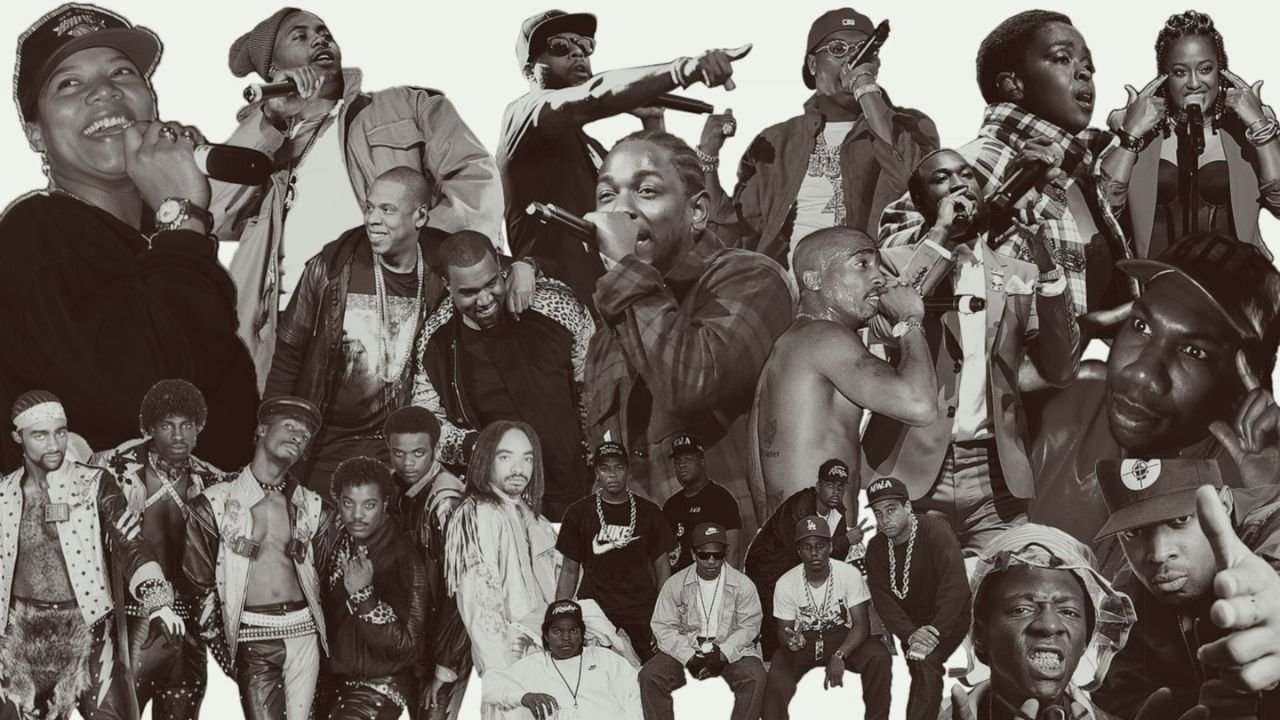
Genres like reggae, jazz, and hip-hop originated from communities resisting systemic oppression. When artists from dominant cultures replicate these styles without acknowledging their roots, it can constitute appropriation. Conversely, supporting and promoting original artists, or using these styles to highlight social issues, exemplifies resistance.
3. Symbolic Practices and Rituals
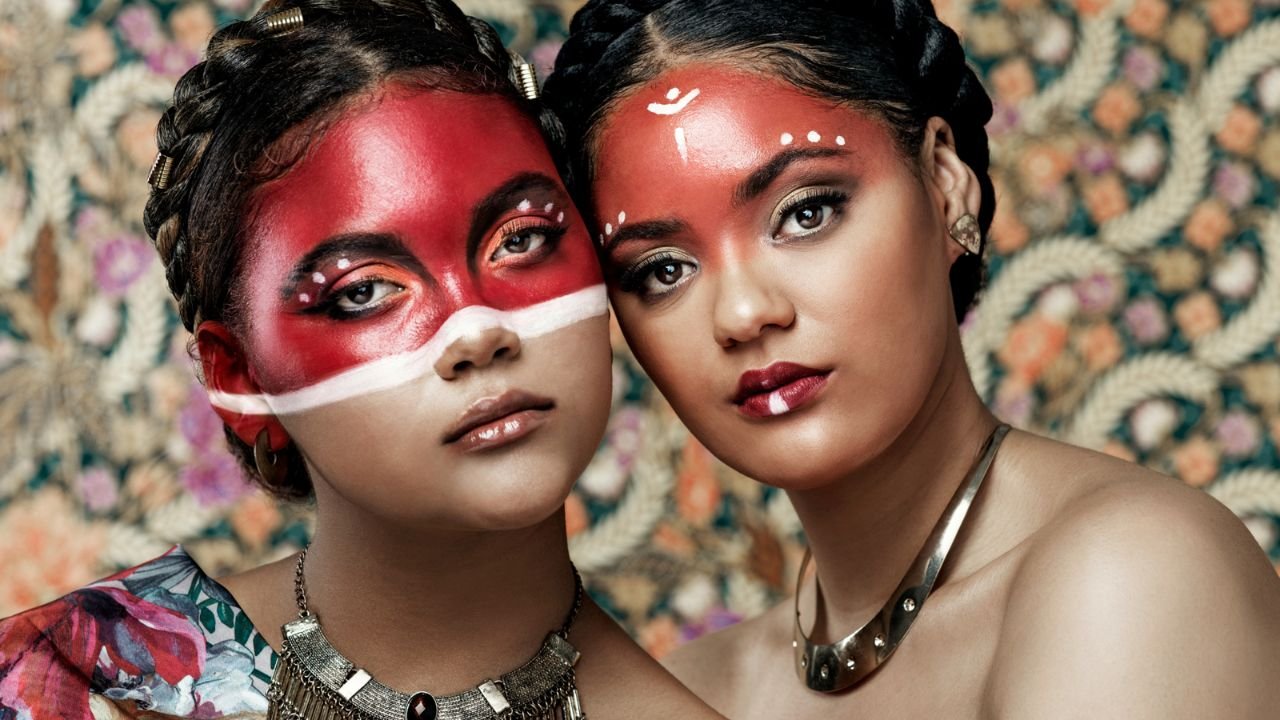
Traditional Indigenous rituals or spiritual symbols have been commodified for profit in wellness or fashion industries. However, when Indigenous communities themselves use these practices to teach, protest, or preserve culture, it embodies resistance, maintaining authenticity and agency.
Why Awareness Matters
Recognizing the difference between appropriation and resistance is more than a moral exercise—it’s about respecting histories, fostering equity, and promoting cultural literacy. Misuse of cultural symbols can perpetuate stereotypes, alienate communities, and dilute the meaning of deeply significant practices. On the other hand, supporting cultural resistance can empower marginalized groups, preserve traditions, and strengthen social movements.
Practical Guidelines for Engaging with Culture Responsibly
- Research and Contextualize – Understand the origins and significance of cultural elements before incorporating them.
- Seek Permission and Collaboration – Whenever possible, involve members of the community directly.
- Amplify Marginalized Voices – Share platforms and resources with the communities whose culture you are engaging with.
- Reflect on Power Dynamics – Acknowledge your position and privilege relative to the culture you are borrowing from.
- Promote Education over Commodification – Ensure that cultural engagement contributes to awareness, not just aesthetics or profit.
Conclusion
The line between cultural appropriation and cultural resistance is nuanced, but understanding it is essential in a world where cultural exchange is constant. Appreciation and solidarity can coexist with respect for origins and acknowledgment of systemic inequities. By prioritizing context, consent, and empowerment, individuals and organizations can engage with culture in ways that uplift rather than exploit, educate rather than erase, and celebrate rather than commodify.
Want to explore more about the dynamics of culture and resistance? Visit mpmr.org for in-depth articles and insights on how communities navigate identity, power, and creativity. Share your thoughts and examples of cultural resistance in the comments below!