Symbols have always been a central part of human communication, conveying complex ideas with simplicity. In the context of activism, protests, and social movements, symbolism transcends words. From banners and placards to clothing and fashion statements, symbols communicate messages, unify communities, and challenge authority. Understanding how symbols operate within movements provides insight into how culture and resistance intersect in meaningful ways.
The Role of Symbolism in Social Movements
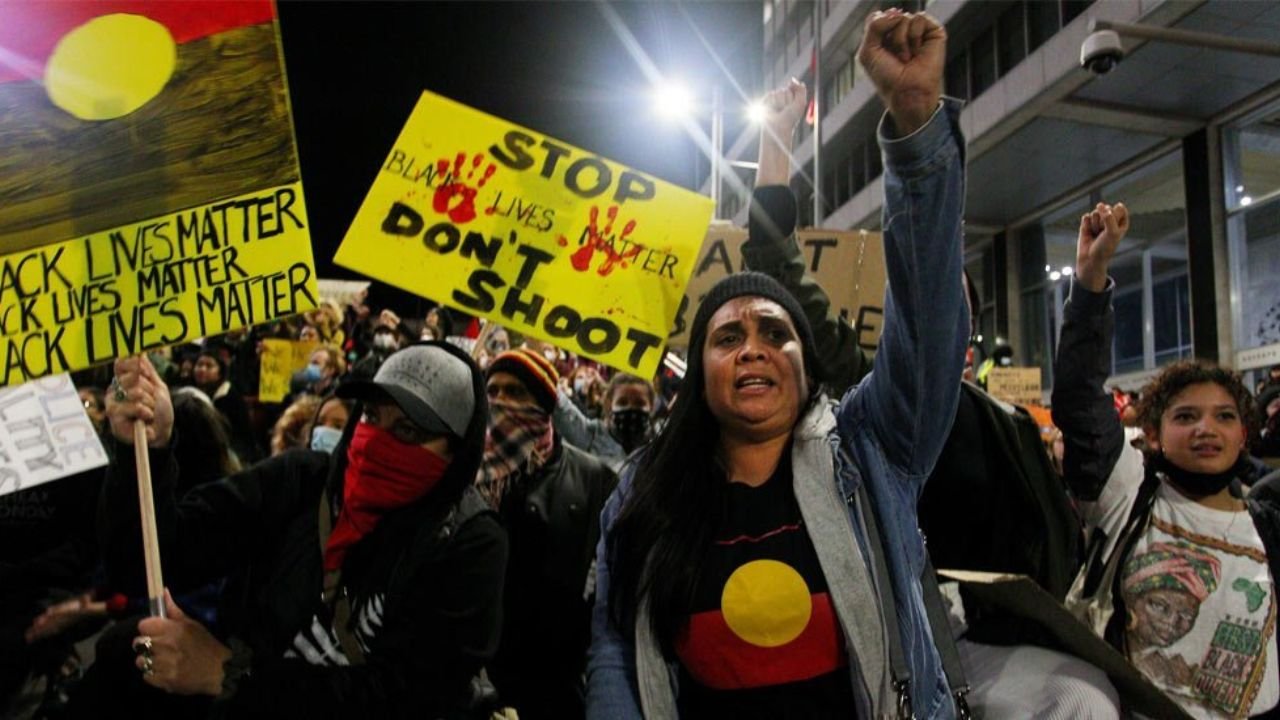
Symbols serve as shorthand for complex ideas, allowing movements to convey their message quickly and memorably. A protest sign with a slogan or image can instantly communicate the cause, whether it’s demanding racial justice, gender equality, or environmental protection. The effectiveness of a symbol lies in its ability to resonate across diverse audiences, creating a sense of shared purpose and identity among participants.
Historically, symbols like the raised fist, peace sign, or rainbow flag have become iconic representations of resistance and solidarity. These images are more than decorative—they carry the weight of collective struggle, embodying the values and demands of a movement. When participants adopt these symbols in clothing, accessories, or public displays, they amplify the movement’s visibility and cultural impact.
From Signs to Fashion: Clothing as a Statement
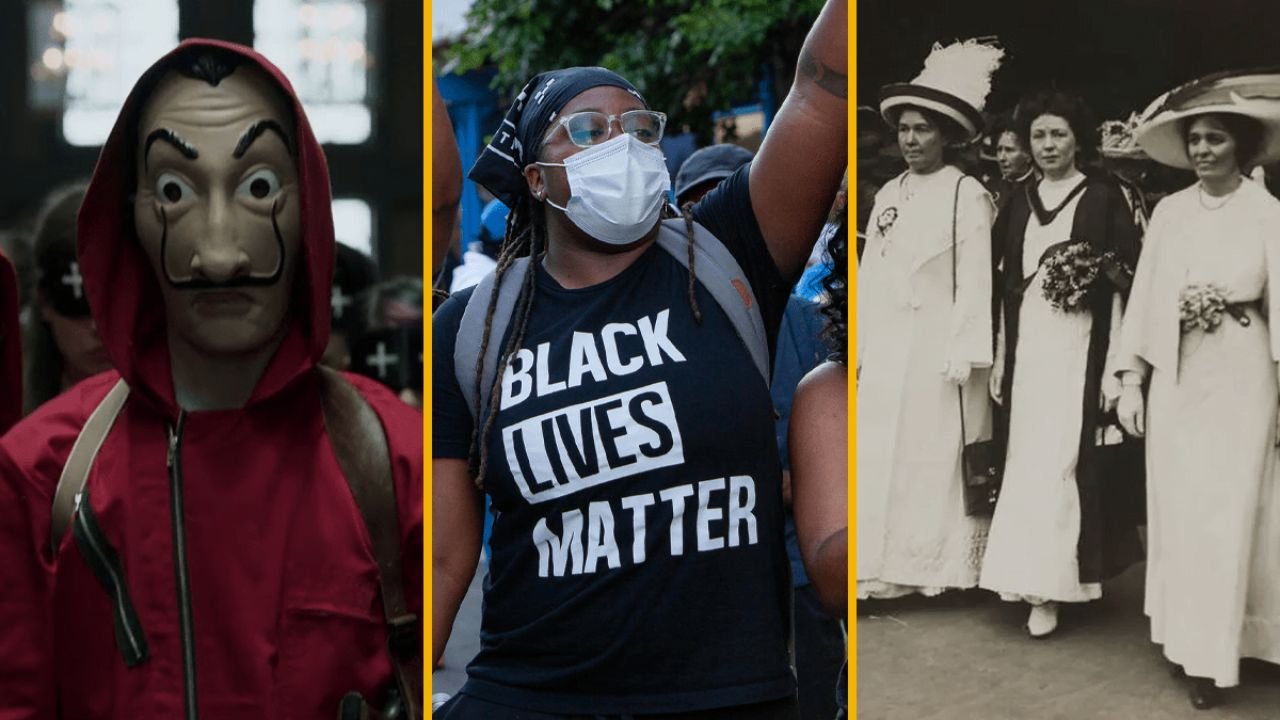
In recent decades, fashion has become an increasingly important medium for political expression. Protesters and activists often wear clothing that features slogans, logos, or symbolic colors to communicate their message. T-shirts with statements like “Black Lives Matter” or “Climate Justice Now” function as wearable signs, transforming individuals into walking advocates for their cause.
Fashion allows activism to transcend the street and enter daily life. Wearing symbolic clothing extends the reach of the movement, sparking conversations in workplaces, schools, and social gatherings. Moreover, fashion as symbolism helps normalize the presence of activism in culture, bridging the gap between protest spaces and everyday life.
The Intersection of Culture and Resistance
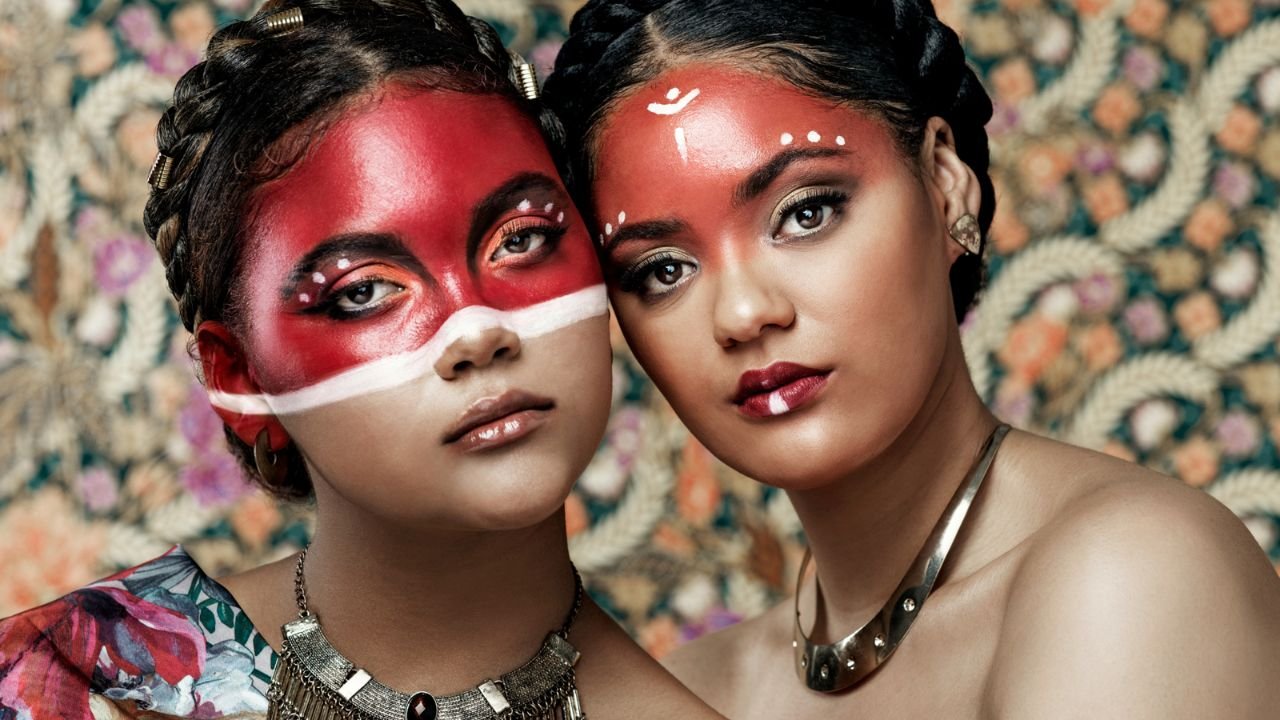
Symbolic fashion and protest signs are not only functional but also deeply cultural. They draw on art, music, and design to communicate ideas in ways that resonate emotionally. Colors, imagery, and patterns carry layered meanings; for example, black clothing and raised fists have historically represented solidarity, resistance, and defiance.
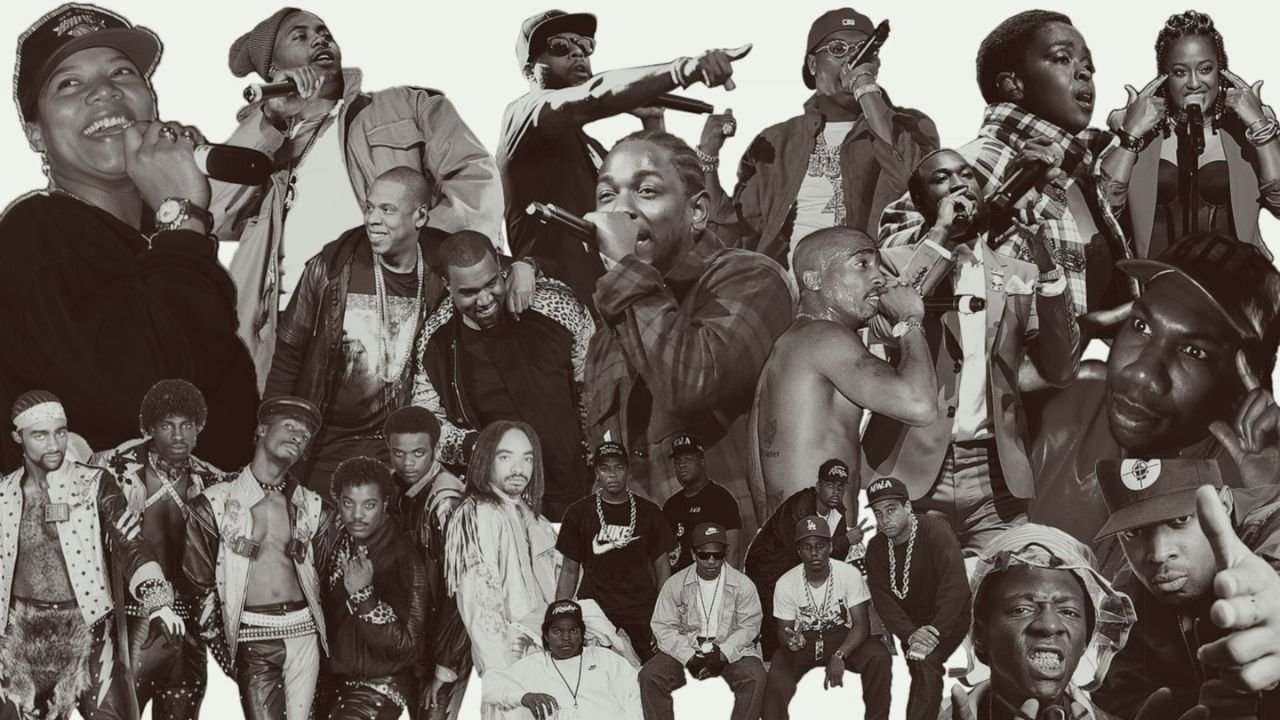
By engaging with cultural elements, activists make their movements visually compelling, memorable, and emotionally charged. Music festivals, art installations, and digital campaigns often incorporate protest symbolism, creating a shared cultural lexicon that strengthens the movement. This interplay between culture and resistance highlights the power of creative expression as a tool for social change.
Digital Amplification of Symbolism
In the digital era, symbols are amplified through social media and online activism. Protest signs, symbolic clothing, and creative expressions are photographed, shared, and circulated widely, reaching audiences far beyond the protest itself. Hashtags, memes, and viral posts translate visual symbols into digital campaigns, allowing movements to gain visibility and influence public discourse.
Digital amplification also democratizes activism. It allows individuals who cannot physically attend protests to participate symbolically through fashion, profile pictures, or online campaigns. The visibility of these symbols online contributes to the legitimacy and momentum of social movements, demonstrating the power of symbolism in both physical and digital spaces.
Ethics and Considerations in Symbolic Activism
While symbolism is powerful, it must be used thoughtfully. Misappropriating cultural symbols or using them superficially can dilute their meaning or cause harm to the communities they represent. Activists must remain aware of the origins, significance, and context of the symbols they adopt. Respecting these dimensions ensures that symbolism remains a tool for empowerment rather than exploitation.
Additionally, commercial brands sometimes co-opt protest symbols for marketing purposes, which can commodify activism and shift focus away from the core issues. Distinguishing between genuine activist use and commercial exploitation is key to maintaining the integrity of symbolic movements.
The Future of Symbolism in Activism
As social movements evolve, so too does the use of symbolism. Emerging mediums like augmented reality, digital fashion, and NFTs are beginning to offer new ways for activists to express messages symbolically. These innovations expand the possibilities for cultural engagement and visibility, allowing symbols to resonate in both physical and virtual spaces.
Symbolism, whether through protest signs or fashion, will continue to be an essential part of activism. By uniting communities, conveying complex ideas, and inspiring cultural engagement, symbols remain a powerful force for social change.
Conclusion: Beyond Words
Protest signs and fashion are more than tools—they are the language of resistance. Through symbolism, activists communicate, unify, and inspire. As movements gain momentum in both physical and digital spaces, understanding the politics of symbolism becomes essential for anyone seeking to engage meaningfully with social change.
Symbols carry stories, struggles, and hope. Explore how culture shapes activism and resistance by visiting mpmr.org. Share your experiences with symbolic activism in the comments below and join the conversation.