Art has always been more than a form of expression—it is a reflection of society, a critique of power, and often, a catalyst for change. Throughout history, artists have used their creativity to challenge authority, inspire activism, and communicate messages that words alone could not convey. From the murals of revolutionary Mexico to the protest songs of the 1960s, art has been central in shaping political consciousness and motivating communities to take action.
In contemporary society, the role of artists in political movements continues to expand, blending traditional media with digital platforms to amplify voices and influence public opinion.
Art as a Voice for the Voiceless
One of the most important roles artists play in political movements is giving voice to the marginalized. Artists often highlight injustices that mainstream media overlooks or underrepresents. Through visual arts, music, poetry, theatre, and film, they can communicate the lived experiences of communities facing oppression, discrimination, or systemic inequality.
For example, the street art movement in cities around the world often serves as a visual protest, conveying political dissent and community frustrations directly in public spaces. Murals, graffiti, and installations allow artists to make statements that are accessible to everyone, not just those who consume traditional news media. This form of storytelling humanizes abstract social issues and invites empathy from the broader public.
Historical Impact of Artistic Movements
Throughout history, political movements have leaned on the power of art to mobilize support and create awareness. During the Mexican Revolution in the early 20th century, artists such as Diego Rivera, José Clemente Orozco, and David Alfaro Siqueiros painted murals that documented social struggles, celebrated labor movements, and criticized corruption. These works not only informed the public but also encouraged civic engagement and solidarity among communities.
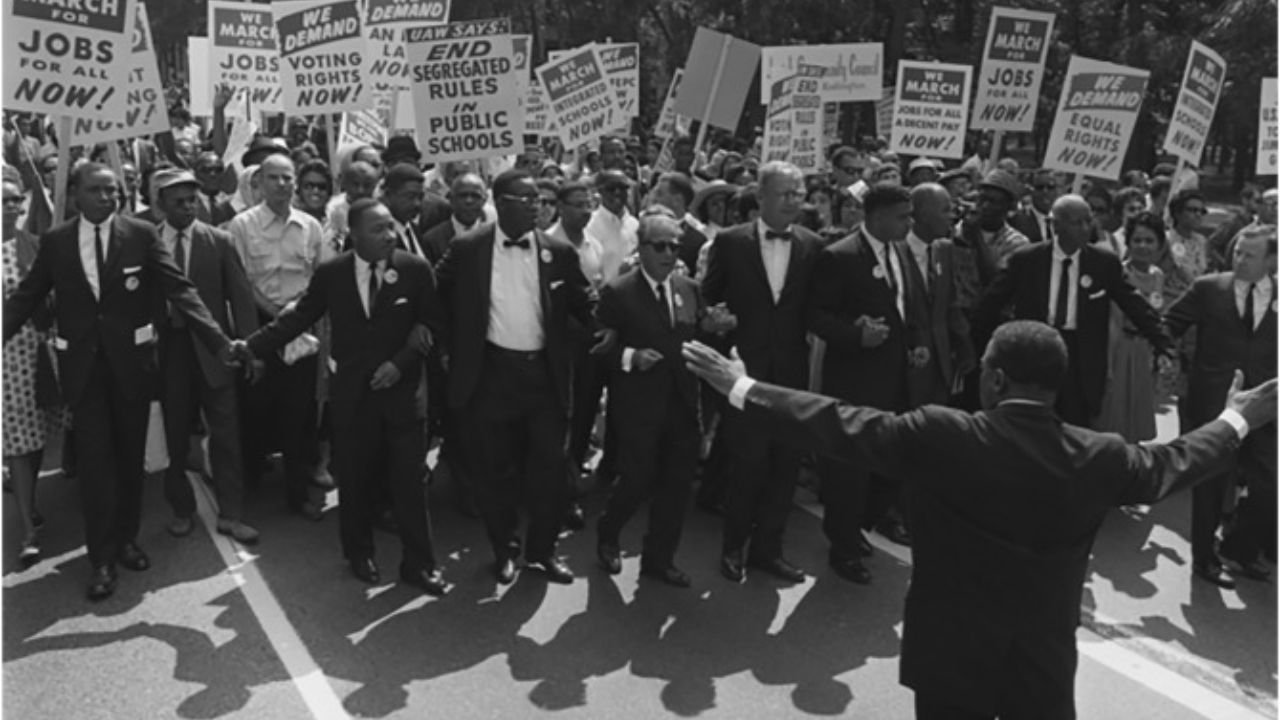
Similarly, the civil rights movement in the United States relied heavily on music and poetry to galvanize activists. Songs like “We Shall Overcome” became anthems of resistance, strengthening resolve and uniting people across racial and social lines. The creative outputs of these movements have had a lasting impact, continuing to inspire new generations of activists and artists alike.
Modern Digital Platforms and Artistic Activism
The digital era has transformed how artists participate in political movements. Social media platforms such as Instagram, TikTok, and YouTube allow artists to reach global audiences instantly. Digital art, viral videos, and online performances amplify messages that might otherwise remain localized, making activism accessible and immediate.
For instance, during the Black Lives Matter protests, artists used murals, live streams, and digital posters to document the movement, memorialize victims of racial injustice, and raise funds for grassroots organizations. These creative interventions often serve dual purposes: as a form of protest and as a tool for education, informing audiences about systemic issues while encouraging collective action.
The Psychological Power of Artistic Expression
Art has a unique capacity to influence emotions and shape perceptions. Unlike purely factual reporting, art evokes empathy and creates an emotional connection with viewers. This emotional resonance can drive people to reflect on injustices and take action in ways that conventional political rhetoric may not.
Street performances, politically charged theatre, and protest songs allow communities to feel the intensity of a movement, often making abstract issues tangible. This emotional engagement strengthens solidarity among activists, fosters communal identity, and sustains long-term commitment to social causes.
Ethical and Strategic Considerations
While the influence of art in political movements is significant, it also comes with responsibilities. Artists must navigate the ethical implications of their work, ensuring that their creations represent the communities they aim to empower without exploiting or misrepresenting them.
Additionally, political art can attract scrutiny, censorship, or even legal repercussions, especially under authoritarian regimes. Therefore, artists often use symbolism, allegory, or anonymous methods to protect themselves while still delivering powerful messages. These strategies highlight the creativity not just in the art itself but in how it reaches audiences safely and effectively.
Sustaining Movements Through Creative Expression
Artists often play a role in sustaining movements by keeping the narrative alive through cultural memory. Creative works—from songs and murals to films and poetry—ensure that the struggles, victories, and challenges of political movements are not forgotten. They provide continuity and context for future generations, reminding society of the work that remains to be done and inspiring new activists to continue the fight.
Art is not merely supplementary to activism; it is integral. It helps movements communicate complex ideas, forge emotional bonds, and create enduring cultural legacies that resonate far beyond immediate political goals.
Conclusion
The role of artists in political movements cannot be overstated. They provide a platform for marginalized voices, mobilize communities through emotional resonance, and document social struggles for historical preservation. From traditional murals to modern digital creations, art remains a powerful tool for resistance, education, and transformation. By intertwining creativity with activism, artists ensure that political movements do not simply exist in fleeting moments but leave a lasting impact on society.
Want to explore more stories about activism, resistance, and the role of art in shaping society? Visit mpmr.org and dive into the latest insights, features, and creative analyses on movements making a difference today. Share your thoughts in the comments below!