Cultural movements have always played a vital role in shaping societies. While politics and policy are often seen as the drivers of change, culture—the arts, music, literature, and social expression—frequently acts as the spark that ignites political transformation. From civil rights and anti-colonial struggles to contemporary global protests, cultural movements have challenged established norms, inspired collective action, and forced governments to respond to the demands of the people.
This article explores some of the most influential cultural movements in history, examining how creative expression has been a catalyst for political change.
The Civil Rights Movement and Artistic Expression
The Civil Rights Movement in the United States during the 1950s and 1960s offers a prime example of culture driving political change. Music, literature, and visual arts became vehicles for resistance and solidarity. Songs like “We Shall Overcome” and performances by influential African American artists communicated the emotional weight of injustice and inspired unity among activists.
Photographs capturing protests, marches, and moments of police brutality were widely circulated, influencing public opinion and pressuring lawmakers to enact civil rights legislation. Cultural expression, in this case, did not merely reflect societal struggles—it shaped the narrative, mobilized supporters, and amplified the political demands for equality.
Anti-Colonial Movements and Cultural Identity
In Africa, Asia, and the Caribbean, cultural movements played a central role in anti-colonial struggles. Literature, theatre, and music were used to reclaim indigenous identities suppressed by colonial powers. Writers like Chinua Achebe and Frantz Fanon provided critical analysis of colonial structures while celebrating local culture, directly influencing political consciousness and resistance.
These cultural expressions provided a shared sense of identity, which was crucial for uniting diverse communities under the banner of independence. By asserting cultural autonomy, activists challenged the legitimacy of colonial governments and rallied populations toward political self-determination.
Music and Protest: From Punk to Hip Hop
Music has often served as a conduit for political activism. The punk movement in the 1970s, for instance, combined rebellious music with social commentary on class inequality, government corruption, and corporate control. Bands like the Sex Pistols in the UK not only entertained but also mobilized young people to question societal hierarchies.
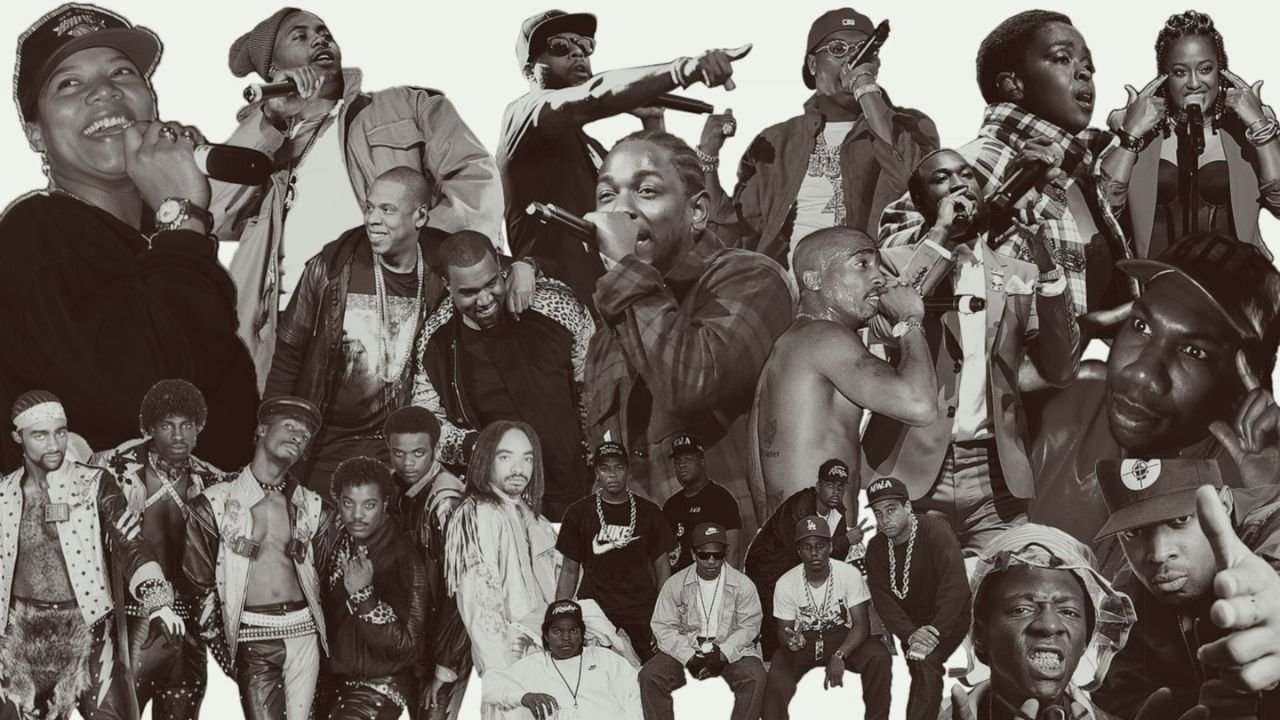
Similarly, hip hop emerged in the 1980s in marginalized communities in the United States, providing a platform to articulate struggles with poverty, systemic racism, and police brutality. Over the decades, hip hop has influenced social movements, from urban protests to national discussions on race relations and criminal justice reform, demonstrating the power of cultural movements to shape political discourse.
The Role of Literature in Social Reform
Literature has historically been a powerful tool in cultural movements, particularly when highlighting social injustices. Upton Sinclair’s The Jungle exposed the dire conditions in the meatpacking industry, prompting legislative action on food safety in the United States. Similarly, Harriet Beecher Stowe’s Uncle Tom’s Cabin galvanized the abolitionist movement by humanizing the realities of slavery.
These examples show how cultural products—books, essays, and narratives—can educate, provoke empathy, and ultimately inspire activism that leads to tangible political reforms.
Visual Arts as Political Commentary
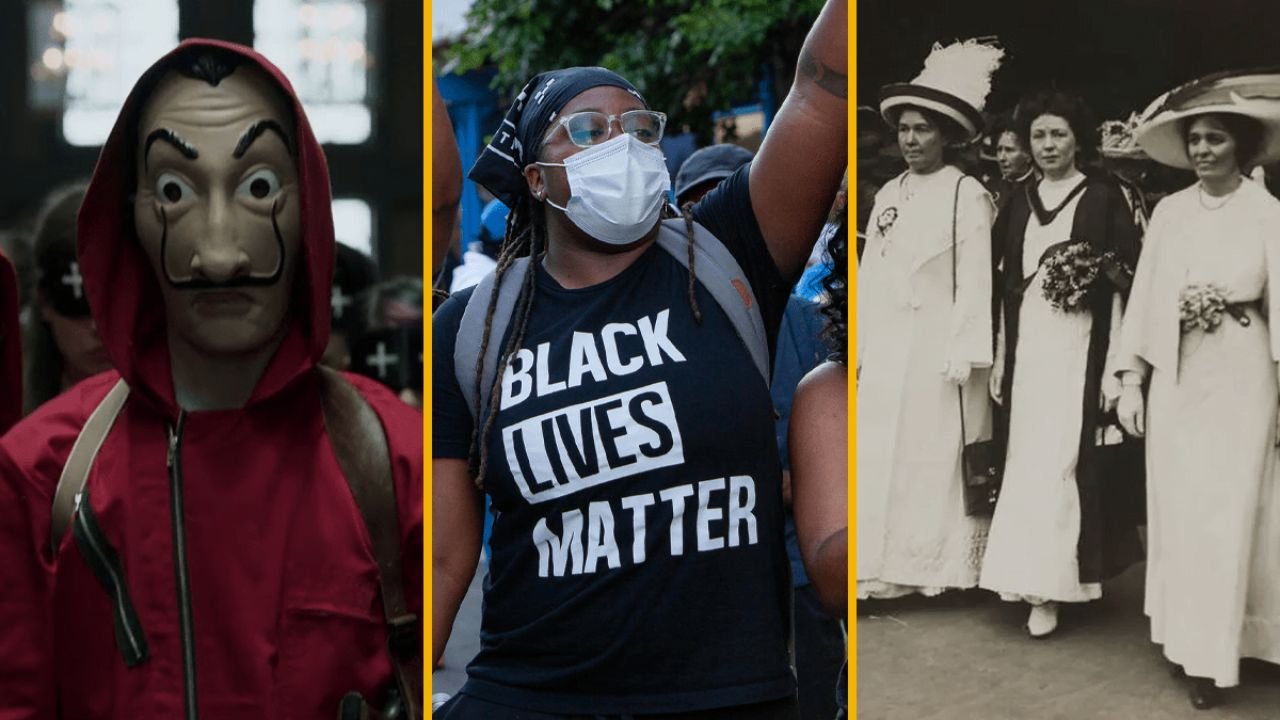
Visual arts, from paintings to street murals, have often reflected and shaped political consciousness. During the Mexican Revolution, artists like Diego Rivera created murals that celebrated working-class struggles, critiqued elite oppression, and reinforced revolutionary ideals. In more recent times, graffiti and street art have been used globally—from the Arab Spring to the Black Lives Matter movement—to communicate dissent and document resistance in highly visible ways.
These visual forms often bypass formal media channels, providing unfiltered commentary that resonates with the public and contributes to collective awareness, creating pressure for change.
Global Protests and Cultural Mobilization
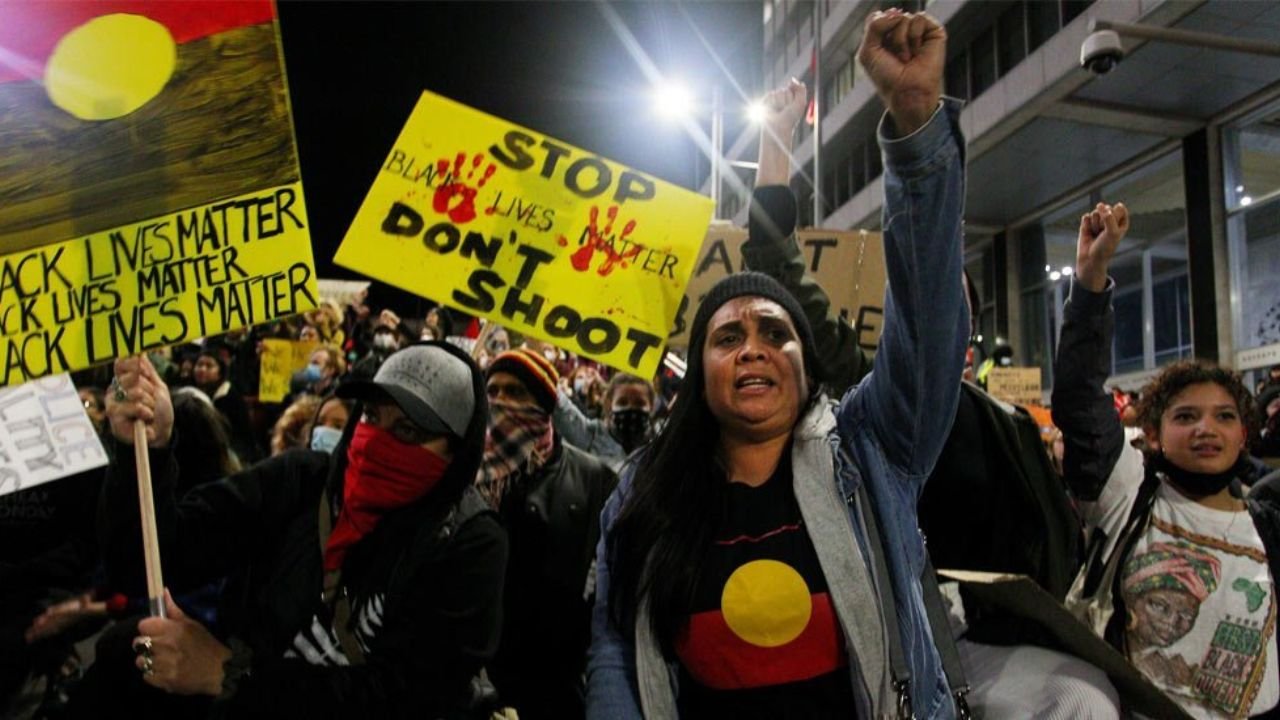
Cultural movements also manifest in contemporary global protests. Hashtags, viral videos, and meme culture amplify social issues across borders, creating awareness on an unprecedented scale. Movements such as Fridays for Future, led by youth climate activists, use cultural forms—social media campaigns, art installations, and viral messaging—to pressure governments to adopt climate policies. Similarly, street performances and symbolic protests often attract media coverage, generating attention that fuels political negotiations.
By combining cultural creativity with activism, modern movements demonstrate that culture is not just reflective of politics but an active participant in shaping it.
Conclusion: Culture as a Catalyst for Change
History shows that cultural movements are far more than artistic expression; they are instruments of societal transformation. Music, literature, theatre, and visual arts have repeatedly challenged norms, raised consciousness, and spurred political action. They provide a bridge between individual expression and collective activism, proving that the pen, paintbrush, or melody can be as powerful as legislation in creating political change.
Understanding the interplay between culture and politics is essential for anyone seeking to grasp the dynamics of social movements. Cultural movements continue to be a vital part of political discourse, inspiring action, influencing policy, and shaping the future of societies worldwide.
Culture and activism are inseparable. Explore more stories of art and resistance that drive real change by visiting mpmr.org. Share your thoughts and experiences in the comments below!