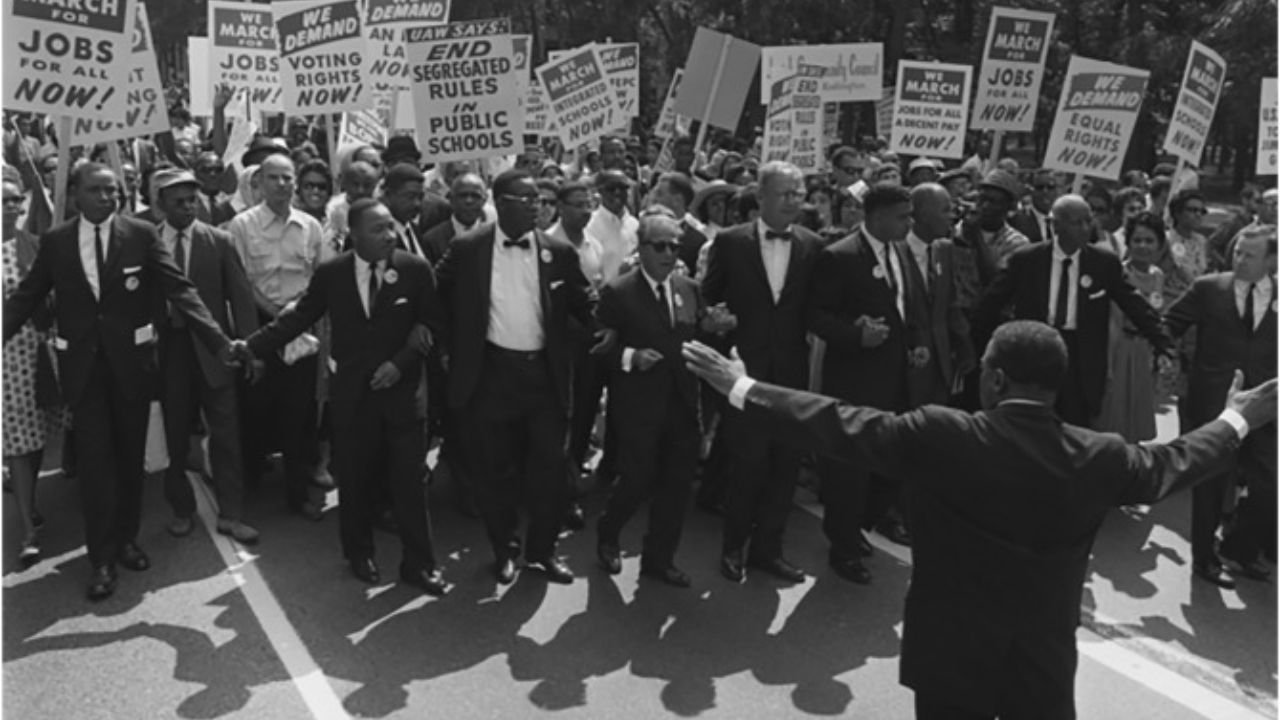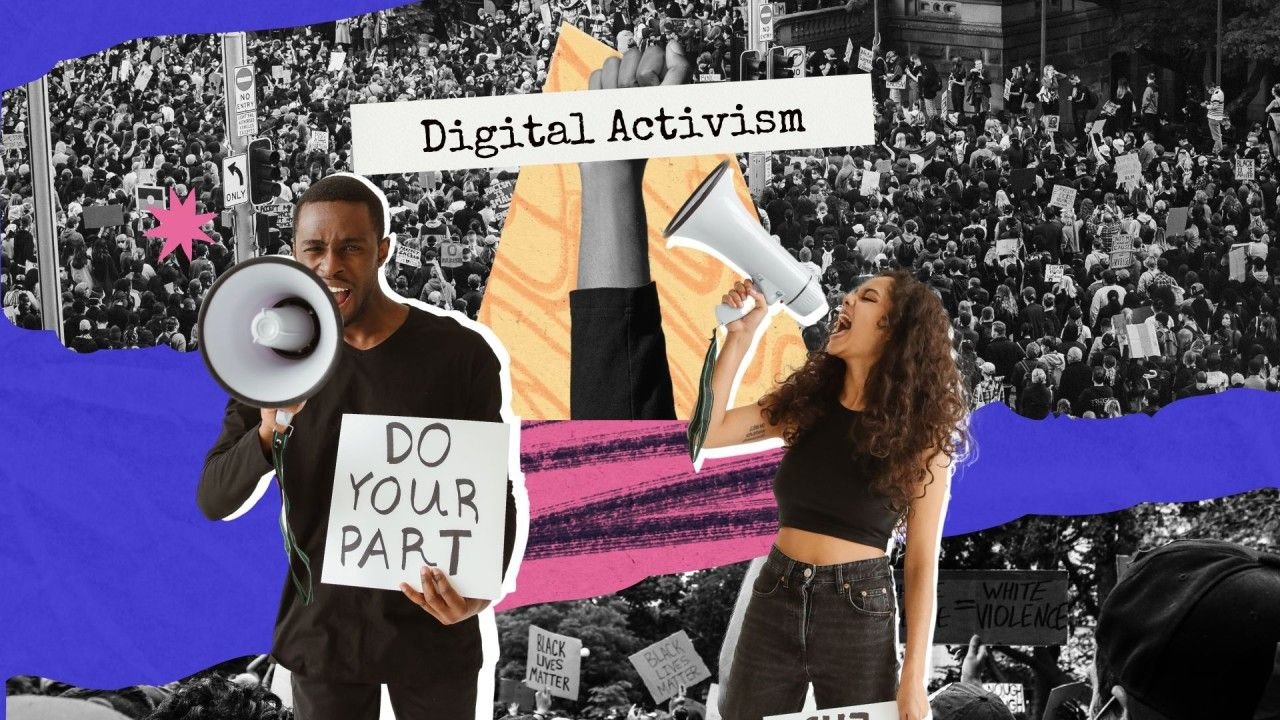
In recent years, digital activism has emerged as a powerful tool for social change, transforming the way protests are organized, shared, and amplified. From Twitter hashtags to viral videos, social media platforms and digital technologies have redefined activism, allowing movements to spread rapidly across borders and garner global attention. The role of digital activism in global protests has been pivotal in amplifying marginalized voices, organizing massive demonstrations, and holding governments accountable.
This article explores the far-reaching impact of digital activism on global protests, highlighting its strengths, challenges, and transformative role in shaping modern resistance movements.
The Rise of Digital Activism
Digital activism refers to the use of online platforms, social media, websites, and digital tools to mobilize, inform, and advocate for social and political change. The rise of the internet and social media has revolutionized how people engage with activism, breaking down geographical barriers and connecting individuals across the globe. Through platforms like Twitter, Facebook, Instagram, and more recently, TikTok, individuals can now share their experiences, organize rallies, and rally support in real-time.
One of the earliest examples of digital activism’s global impact was the Arab Spring in 2011, where social media played a crucial role in organizing protests in Tunisia, Egypt, and other Middle Eastern nations. Protestors used social media to share real-time updates, organize mass demonstrations, and draw attention to their causes despite government censorship. This marked the beginning of a new era in which digital platforms became critical in fueling political movements and global protests.
Global Reach and Amplification of Marginalized Voices
One of the most significant impacts of digital activism is its ability to amplify voices that have been marginalized or silenced by mainstream media. Traditional news outlets often overlook or misrepresent certain communities, particularly those involved in anti-government or anti-corporate protests. Digital activism, however, provides a platform for these voices to be heard without the filter of traditional media.
Hashtags like #BlackLivesMatter, #MeToo, and #FreePalestine have given marginalized groups the opportunity to challenge systemic injustice and raise awareness on a global scale. These online movements often translate into real-world actions, from protests to policy changes, by highlighting issues that demand international attention. Through digital platforms, activists are not only able to share their stories but also hold authorities accountable, garnering widespread support for their causes.
In many ways, digital activism has created a level playing field. Activists, ordinary citizens, and influencers can use their social media presence to speak out and influence the discourse, bypassing traditional gatekeepers like mainstream media.
Real-Time Organizing and Mobilization
Digital activism has revolutionized how protests are organized. In the past, organizing a protest required significant resources, such as printed flyers, word-of-mouth communication, and physical meeting spaces. Today, all that is needed is an internet connection and a digital platform.
Organizers can quickly set up online petitions, create event pages, and rally people together in real-time. Movements like the Hong Kong protests and the Yellow Vest movement in France demonstrate how digital platforms can serve as an efficient tool for organizing large-scale demonstrations. Through social media platforms, protestors were able to share logistical details, real-time updates, and safety information, ensuring the success of their movements even amid intense government crackdowns.
Furthermore, digital activism has introduced innovative methods for protest. Hashtag activism, where a specific hashtag is used to rally support, has become a staple of modern protests. This digital tool allows people from all over the world to participate in a movement, even if they are not physically present at a protest. By engaging in hashtag campaigns, individuals amplify their voices and make their causes known, contributing to the momentum of global movements.
Challenges Faced by Digital Activism
While digital activism has undoubtedly had a transformative impact, it is not without its challenges. One of the primary concerns is government censorship and the digital surveillance of protestors. Many authoritarian governments have cracked down on digital activism by blocking social media platforms, monitoring online activity, and arresting individuals involved in online organizing.
In some cases, governments have deployed digital armies to counteract the messages spread by activists, using tactics like disinformation campaigns and online harassment. In 2021, during the protests in Belarus, authorities attempted to control the narrative by limiting access to social media platforms and blocking internet access during key moments of the protests. These efforts highlight the vulnerability of digital activism to government control and censorship.
Another challenge is the issue of digital divide. While digital platforms offer opportunities for global mobilization, not everyone has equal access to the internet or digital devices. Rural and underprivileged communities are often left out of digital activism due to their limited access to technology, hindering the inclusivity of global protests.
The Role of Visual Media in Digital Activism
Visual media has become an essential part of digital activism, with images, videos, and livestreams being used to document protests in real-time. These visual tools help protestors share their experiences and showcase the intensity of the situation. Graphic footage of police violence, for example, has sparked outrage and led to widespread global solidarity.
The use of live streaming in protests, such as the 2020 George Floyd protests, provided real-time coverage of the demonstrations, allowing people from all over the world to witness events as they unfolded. Videos and images from these protests often go viral, reaching millions of people within hours. This level of immediate dissemination has made it difficult for authorities to control the narrative and has been instrumental in shaping public opinion.
Additionally, digital platforms have allowed protestors to share stories of police brutality, human rights abuses, and environmental injustices, fostering a greater sense of empathy and urgency among global audiences. The visuals help build a deeper emotional connection with the cause, making it easier for people to rally in support of the movement.
Conclusion: The Future of Digital Activism in Global Protests
Digital activism has fundamentally changed the landscape of global protests. It has provided a platform for marginalized voices, enabled real-time organizing, and empowered activists to mobilize on a scale never before seen. While it faces challenges, including censorship and the digital divide, the impact of digital activism cannot be overstated.
As technology continues to advance, digital activism will likely become even more central to global protests, facilitating collaboration, advocacy, and global solidarity. The future of activism will be shaped by how well digital tools can be harnessed for social change while overcoming the barriers that still exist.
How do you see the future of digital activism impacting global protests? Share your thoughts and experiences in the comments below, and visit mpmr.org for more in-depth analysis on revolutionary movements and social justice.