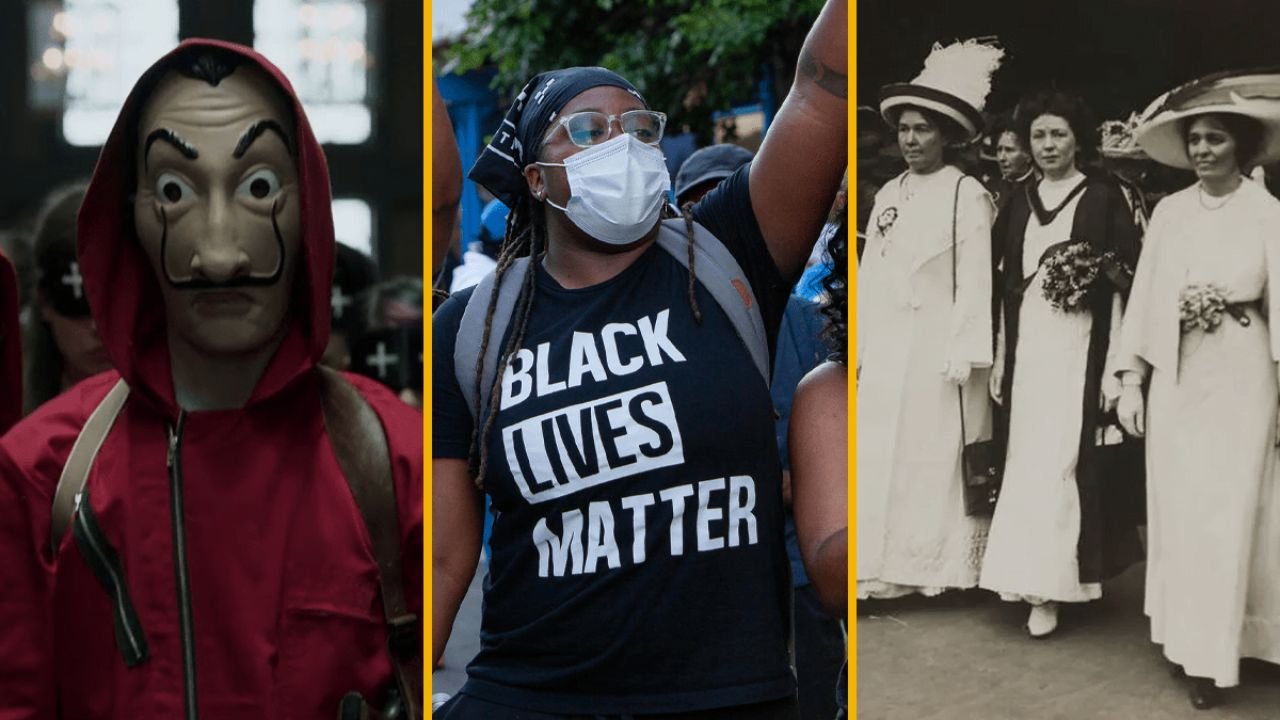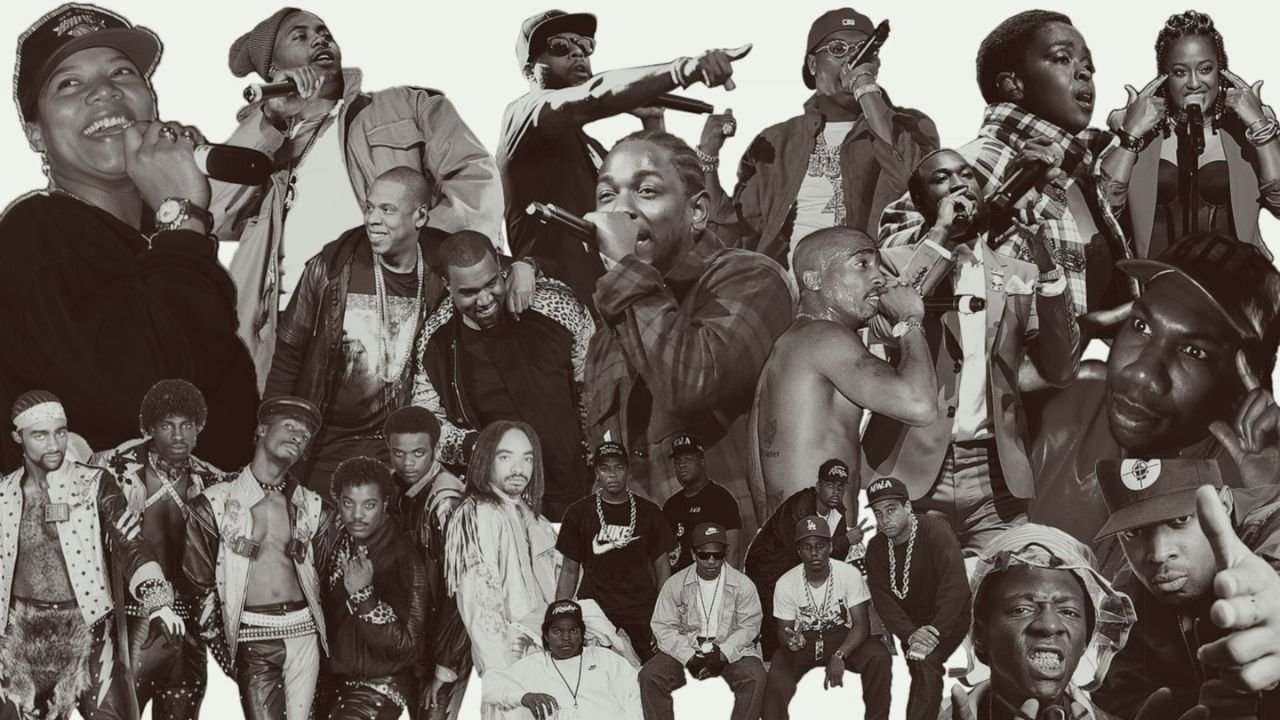
Literature has long been a powerful tool for social change, and throughout history, it has played a central role in resistance movements worldwide. From the works of revolutionary authors to the politically charged poems and novels of protest, the written word has always been a weapon of the oppressed, enabling them to fight back against tyranny, inequality, and injustice.
In this article, we explore how literature has been used as a means of resistance, its transformative impact on society, and how writers have used their words to fuel movements and inspire action.
Literature as a Weapon of the Oppressed
For centuries, marginalized communities and oppressed groups have turned to literature as a tool to resist the structures of power that seek to silence them. One of the primary ways literature becomes a weapon is through its ability to communicate ideas of justice, freedom, and equality—ideas that often challenge the status quo.
Writers, poets, and philosophers have long used their pens to critique systems of oppression, often putting themselves at great risk in doing so. For example, works like “Uncle Tom’s Cabin” by Harriet Beecher Stowe played a significant role in the abolitionist movement, spreading awareness about the brutal realities of slavery in the United States. Similarly, “The Jungle” by Upton Sinclair highlighted the exploitative working conditions in the meatpacking industry, sparking reform movements.
By bringing attention to societal injustices, these authors used their works not just as a form of storytelling, but as a call to action—a way to stir the hearts and minds of readers, encouraging them to demand change.
Literature in Revolutionary Movements
Throughout history, literary works have been pivotal in the formation and growth of revolutionary movements. “The Communist Manifesto” by Karl Marx and Friedrich Engels, for example, has inspired generations of revolutionaries seeking to overthrow capitalist structures. Similarly, “The Grapes of Wrath” by John Steinbeck resonated deeply with those living through the Great Depression, giving voice to the suffering and struggle of working-class Americans.
In the wake of colonialism, many writers have used literature to resist imperialist powers and reclaim their cultural identities. Works like Chinua Achebe’s “Things Fall Apart” and Ngũgĩ wa Thiong’o’s “Petals of Blood” critiqued the impact of European colonization on African societies, offering both an understanding of the historical wounds inflicted and a call for unity and resistance.
Literature becomes a crucial weapon in such contexts by articulating the injustices of the oppressors and empowering the oppressed to rise up. Revolutionary writers often expose the violence of ruling elites while providing the marginalized with narratives that validate their resistance.
The Role of Poetry in Political Resistance
Poetry, in particular, has been a powerful medium for resistance, offering a succinct and emotional form of expression that can resonate deeply with readers. Poets often write with urgency, conveying not just the facts of oppression but the raw emotions associated with it. Pablo Neruda, the Chilean poet, used his poetry to both denounce the brutality of fascism and inspire solidarity among the working class. His works like “Canto General” are a testament to the power of poetry in advocating for social justice.
Poetry is often more accessible than lengthy prose, and its ability to capture complex emotions in a few lines makes it an effective tool for activism. It has the power to unite people across boundaries, translating individual struggles into collective calls for action. Langston Hughes, for instance, gave voice to the African-American struggle in his poetry, amplifying the voices of the disenfranchised and becoming an integral part of the Harlem Renaissance. His work bridged cultural divides and stirred a sense of unity and purpose in the face of racial injustice.
Contemporary Literature and Resistance
Even in today’s world, literature continues to serve as a powerful weapon in the ongoing fight for justice and equality. Contemporary writers are using their works to speak out against modern forms of oppression, from systemic racism to environmental destruction, from economic inequality to the erosion of civil liberties.
Books like “The Handmaid’s Tale” by Margaret Atwood have gained new relevance in recent years, serving as both a warning and a call to resist the rise of authoritarianism. Authors like Arundhati Roy, Ta-Nehisi Coates, and Roxane Gay are all using literature to resist dominant narratives, drawing attention to the plights of marginalized communities while demanding societal reform.
In the age of social media and digital platforms, literature’s resistance power has evolved, with blogs, zines, and online articles becoming modern equivalents of pamphlets from the revolutionary period. The internet has democratized access to literature, allowing writers and activists to reach global audiences and engage in more interactive forms of protest.
The Enduring Power of the Written Word
The written word continues to be a source of power for those who seek to change the world. Whether through novels, poems, or essays, literature has the ability to touch people on a profound level. It allows activists to express their hopes and frustrations, share their dreams for a better world, and urge others to join the struggle for justice.
In many ways, literature remains the most accessible form of resistance—one that transcends borders, unites people across cultures, and fosters collective action. Writers act as the conscience of society, pushing the boundaries of what is acceptable and opening up spaces for new ways of thinking, being, and organizing.
Conclusion: Literature as a Catalyst for Change
The relationship between literature and resistance is deep and enduring. Through their written works, authors have the power to expose injustices, inspire revolutions, and give voice to the marginalized. The written word has proven to be an invaluable tool in the fight against oppression, and its importance will continue as long as there are injustices to be addressed.
The resilience of literature in the face of adversity reminds us that resistance is not always about direct confrontation; it can also be a matter of shifting perspectives, changing minds, and inspiring action. Literature has the power to shape history—not just by documenting it, but by inspiring the very movements that create change.
What role do you think literature plays in modern resistance movements? Share your thoughts in the comments below and visit mpmr.org for more in-depth articles on how the written word has been used in the fight for justice and equality.