The fight for equal rights has been an ongoing battle throughout history, with marginalized communities often leading the charge for justice, equity, and recognition. The voices of these communities have long been silenced or ignored by those in power, yet they continue to push forward in the pursuit of a world where everyone, regardless of their background or identity, has an equal chance to thrive. This article explores the struggle for equal rights through the lens of those who have historically been excluded, examining how their voices have shaped, and continue to shape, the fight for justice.
The Historical Context of Marginalization
The roots of marginalization can be traced back to colonialism, slavery, and the social structures that have historically relegated certain groups to the periphery of society. From African Americans in the United States enduring the horrors of slavery and segregation to the Indigenous peoples who faced displacement and cultural erasure, these groups have been systematically denied their basic rights.
In many cases, these communities were not only denied political and economic power but also access to education, healthcare, and even the right to exist without fear of violence. Over time, however, many marginalized groups began to organize and demand equal treatment, giving rise to powerful movements that would reshape the course of history.
Voices of the Marginalized: From Silence to Action
Historically, marginalized voices have been excluded from the political process, and their struggles for equal rights have often been ignored. However, the rise of grassroots movements has provided a platform for these communities to share their stories, advocate for change, and demand their rights.
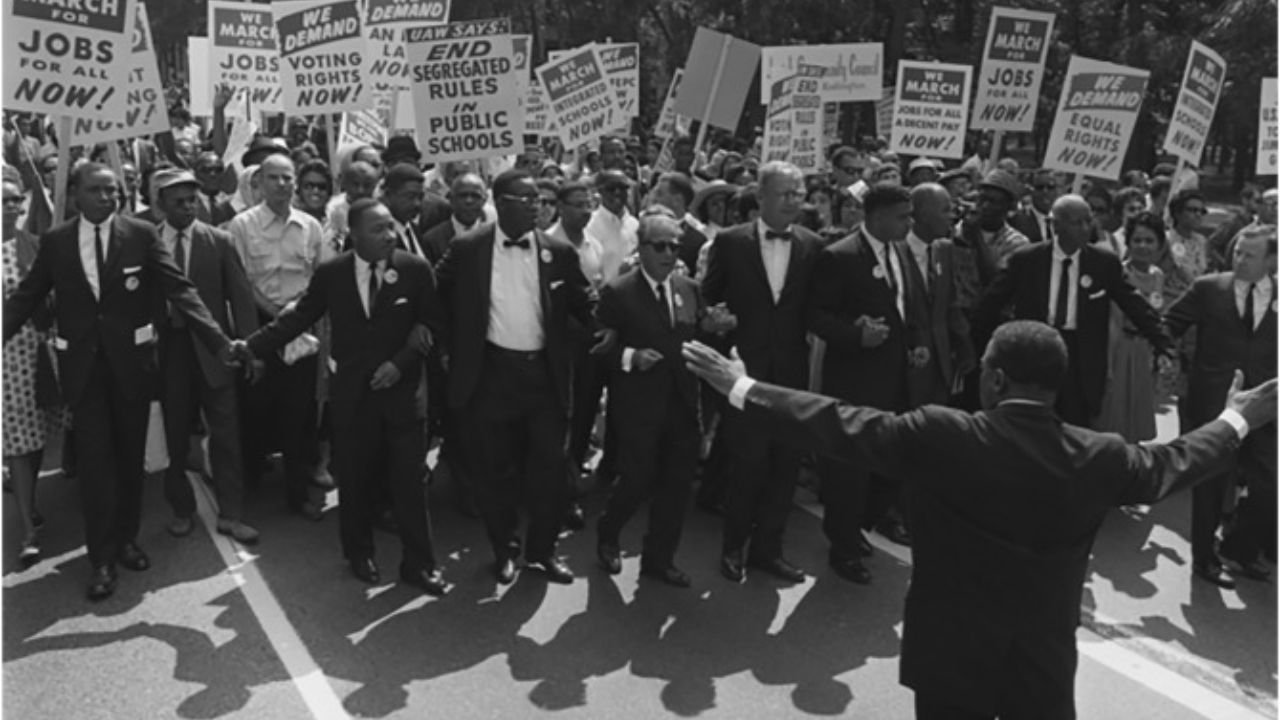
The Civil Rights Movement in the United States is one of the most notable examples of how marginalized voices have risen to challenge systems of oppression. Leaders like Martin Luther King Jr., Rosa Parks, and Malcolm X amplified the voices of African Americans who had been denied equal rights for centuries. These leaders, along with countless others, used their platforms to demand justice and equality for all people, regardless of their race or ethnicity.
Similarly, the struggle for equal rights for women, LGBTQ+ individuals, and people with disabilities has been fueled by voices that have long been marginalized. From the suffragists who fought for women’s right to vote to the Stonewall Riots that marked the beginning of the LGBTQ+ rights movement, the voices of those on the margins have been integral to pushing for societal change.
The Role of Art, Music, and Storytelling in the Struggle for Equal Rights
One of the most powerful ways marginalized voices have been heard is through art, music, and storytelling. Creative expression has always been a tool for resistance, a way to communicate the struggles and hopes of those fighting for justice.
For African Americans, music played a pivotal role in both documenting their suffering and inspiring resilience. The blues, jazz, and gospel traditions gave voice to the experiences of Black people in a segregated America. Similarly, the music of the Civil Rights Movement, from songs like “We Shall Overcome” to “A Change Is Gonna Come”, became anthems for the movement, expressing both the pain of oppression and the hope for a better future.
The power of storytelling has also been vital in elevating marginalized voices. Authors like James Baldwin, Maya Angelou, and Toni Morrison used their literary works to shed light on the realities of race, inequality, and injustice in America. Their stories not only captured the experiences of Black people but also connected the struggle for equal rights to universal themes of human dignity, love, and resistance.
The Intersectionality of Marginalization
The struggle for equal rights is not one-dimensional. For many individuals, their identities are shaped by multiple factors, including race, gender, sexuality, and disability. This intersectionality means that marginalized groups often experience layers of oppression, making their fight for equal rights more complex.
Black women, for example, have historically been doubly oppressed—both by the systemic racism of society and by sexism within their own communities. The Combahee River Collective, a group of Black feminist lesbians founded in the 1970s, was instrumental in highlighting the intersectionality of their struggles. They emphasized the need for social justice movements to address the specific issues faced by women of color, recognizing that true equality could not be achieved without addressing the interconnected nature of oppression.
Similarly, LGBTQ+ individuals who also belong to racial or ethnic minorities face unique challenges. Transgender people of color, in particular, experience higher rates of violence, discrimination, and lack of access to healthcare. The Black Lives Matter movement, with its commitment to LGBTQ+ rights, exemplifies the intersectional nature of the struggle for equal rights, highlighting how racial justice and LGBTQ+ rights are intertwined.
The Importance of Allyship in the Fight for Equal Rights
While the voices of marginalized groups are crucial to the fight for equal rights, the role of allies cannot be underestimated. Those who are not directly impacted by oppression but who stand in solidarity with marginalized communities have been vital in creating space for these voices to be heard.
Allyship, however, requires more than just surface-level support. True allyship involves actively working to dismantle the systems of power that perpetuate inequality. It means using one’s privilege to advocate for policies that benefit marginalized communities and to confront injustice whenever and wherever it arises. In the context of racial justice, allies have worked to confront racism within their own circles, dismantle white supremacy, and support movements like Black Lives Matter.
The Continuing Struggle for Equal Rights
While significant progress has been made in the fight for equal rights, there is still much work to be done. Discrimination based on race, gender, sexuality, and disability continues to permeate society, from the criminal justice system to healthcare, education, and beyond.
The voices from the margins—those of activists, community organizers, artists, and everyday people—remain essential to this ongoing struggle. By continuing to amplify these voices, we ensure that the fight for equal rights remains at the forefront of social and political discourse.
Conclusion: The Power of Marginalized Voices
The struggle for equal rights is far from over, but the voices from the margins continue to shape the future of our society. Whether through protest, art, or the written word, these voices serve as a reminder that the fight for justice and equality is not just about changing laws—it’s about changing hearts and minds. By elevating the voices of those who have been marginalized, we create a more inclusive world, where everyone has the opportunity to live with dignity and respect.
Learn more about the stories and struggles that have shaped our fight for equal rights. Visit mpmr.org to read more articles, engage with our content, and join the conversation about creating a just world for all.