Women have long been at the forefront of resistance movements, defying societal norms, challenging oppressive systems, and leading revolutions in ways that have often been overlooked in mainstream narratives. These women, driven by courage and an unwavering belief in justice, have played pivotal roles in movements around the world, from political uprisings to social reform. This article highlights the extraordinary contributions of women in the resistance, showcasing their stories of defiance, struggle, and triumph.
The Hidden Heroes of Revolutionary Movements
Throughout history, women have frequently been marginalized in historical records, their contributions often overshadowed by the dominant male figures of the same movements. However, the roles that women played in movements for justice cannot be ignored. Whether through activism, leadership, or direct action, women have been instrumental in shaping the course of history.
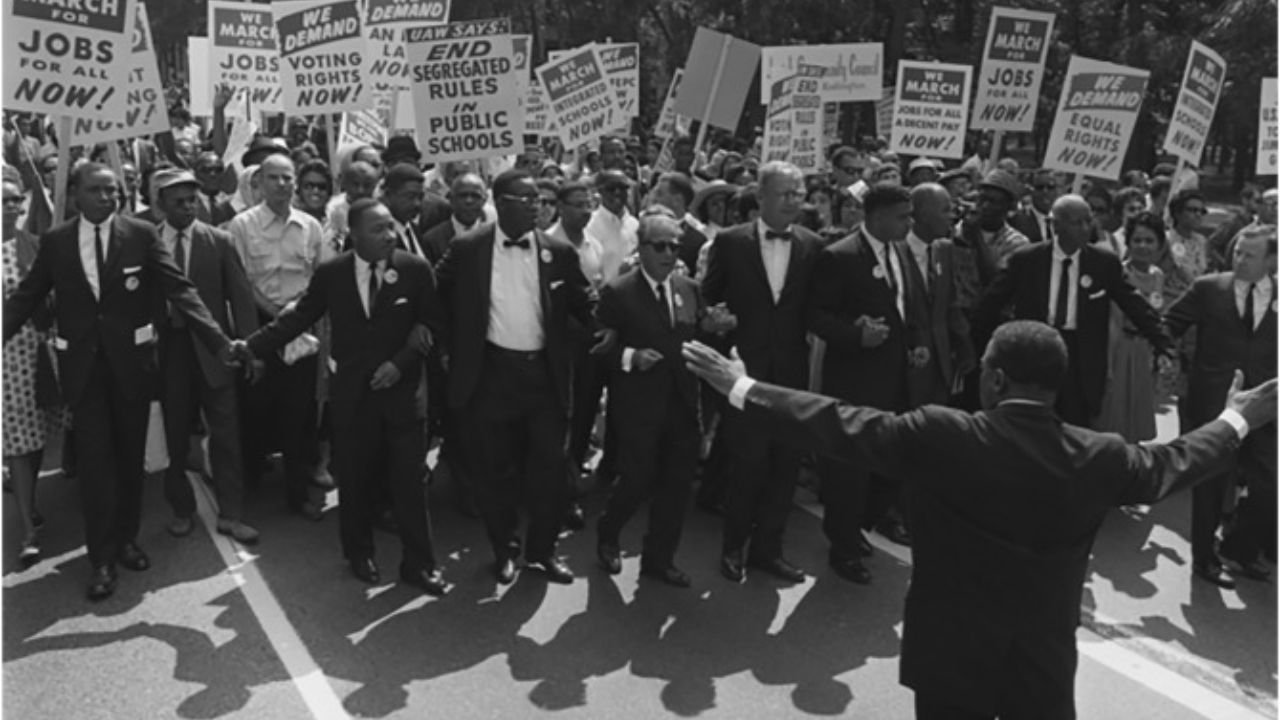
One of the most famous examples is Rosa Parks, whose refusal to give up her seat on a segregated bus became the spark for the American Civil Rights Movement. Parks’ quiet act of defiance challenged the deep-seated racism in the United States, and her courageous stand against segregation became a symbol of the resistance against racial injustice.
Similarly, Wangari Maathai, the first African woman to win the Nobel Peace Prize, founded the Green Belt Movement in Kenya. She led a grassroots movement focused on environmental conservation, women’s rights, and social justice. Her dedication to sustainable development and the empowerment of women in rural Africa proved that women’s leadership could change the world.
Resistance Beyond the Headlines
Women have not only led revolutions but have also been the unsung heroes behind the scenes, organizing protests, managing logistics, and providing crucial support to revolutionary movements. The Vietnam War saw women playing a critical role in the resistance, both in the combat zones and in the cities. Many women fought alongside men in the Vietnamese Army, while others supported the cause by providing medical aid and intelligence to the resistance forces.
Another powerful example is The Mothers of the Plaza de Mayo in Argentina. During the country’s military dictatorship, these women marched through Buenos Aires’ Plaza de Mayo, demanding the return of their children who had been “disappeared” by the government. Their courage, shown through peaceful protests, became one of the most powerful symbols of defiance in Latin American history, inspiring similar movements for human rights across the globe.
Women in the Global Struggle for Rights and Equality
Resistance by women isn’t confined to any one region; it is a global phenomenon. In South Africa, Winnie Madikizela-Mandela was a pivotal figure in the anti-apartheid struggle. Her activism, often marked by personal sacrifice and the suffering of imprisonment and exile, led her to become known as the “Mother of the Nation.” Her efforts not only brought attention to the unjust apartheid system but also highlighted the role of women in liberation movements.
The Arab Spring saw many women stepping forward as symbols of rebellion, most notably Tahrir Square in Egypt, where women stood side by side with men, demanding democratic reforms and an end to the authoritarian regime of Hosni Mubarak. Women like Asmaa Mahfouz, a key figure in the Egyptian Revolution, became symbols of resistance through their activism, often using social media to rally people to action.
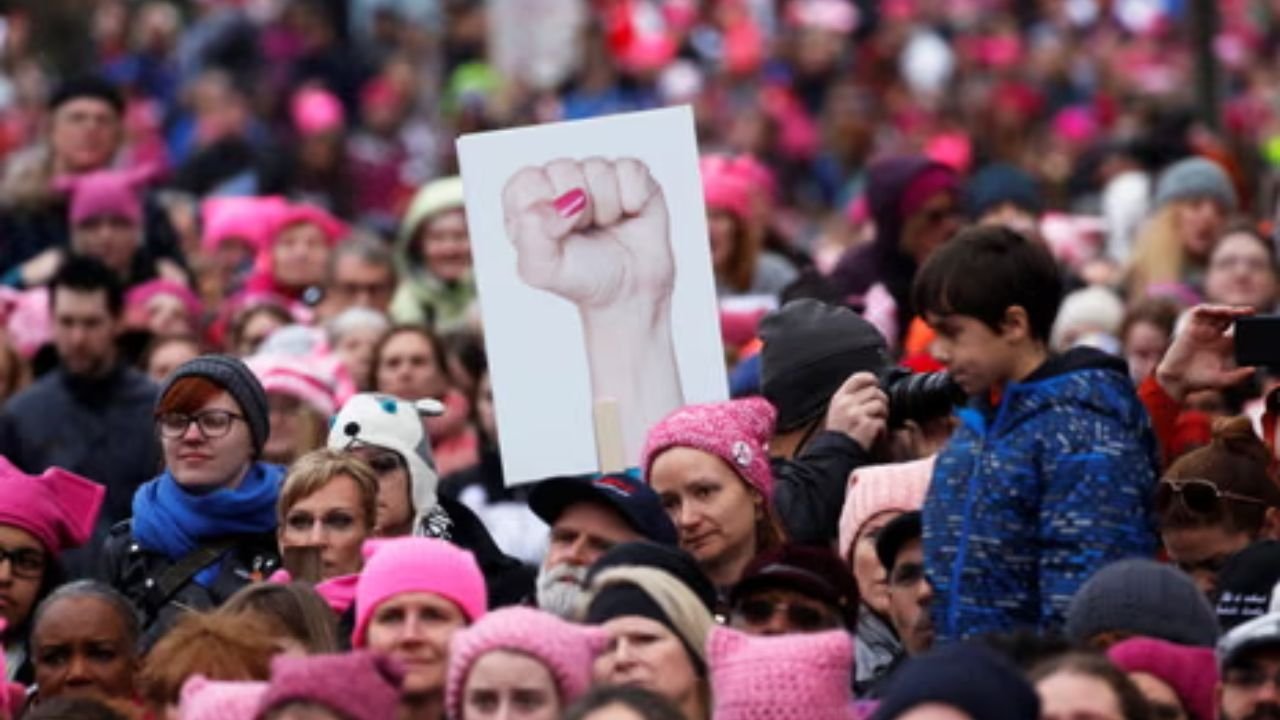
Even today, women continue to stand at the forefront of resistance movements, from the Black Lives Matter movement in the United States to protests for democracy in Hong Kong and Myanmar. Patrisse Cullors, one of the co-founders of Black Lives Matter, has been an influential figure in mobilizing grassroots movements that challenge systemic racism and injustice. These modern-day resistance leaders show that women’s contributions to justice are ongoing and ever-evolving.
The Challenges Women Face in Resistance Movements
While women have always been integral to resistance movements, their paths have not been easy. They have faced unique challenges, not only from oppressive political systems but also from patriarchal structures within their own movements. Often, women in resistance movements have had to fight for their voices to be heard, battling both external oppression and internal sexism.
For instance, during the French Resistance in World War II, women were instrumental in gathering intelligence, distributing leaflets, and helping soldiers escape from occupied France. However, despite their pivotal roles, many of these women were sidelined after the war, their efforts often erased from history in favor of male leaders.
Similarly, women involved in armed struggles, such as the Kurdish Women’s Movement, have faced significant challenges. In regions like Syria and Iraq, Kurdish women fighters have become icons of resistance, particularly the YPJ (Women’s Protection Units), who have fought against the ISIS regime. Yet, even as they’ve proven their strength in battle, these women have often faced opposition from within their own cultures, where traditional gender norms and expectations often limit their roles.
The Enduring Legacy of Women in Resistance
The legacy of women in resistance movements is rich and profound. From Joan of Arc to Malala Yousafzai, women continue to challenge the limits placed upon them by society, history, and oppressive regimes. Their stories of courage and defiance provide hope, not only to women but to all people who are fighting for justice and equality.
By documenting these stories and amplifying their voices, we ensure that future generations understand the significant role that women have played—and continue to play—in the fight for a better world. These women may not always make the headlines, but their resilience, courage, and leadership shape the fabric of history in ways that can never be overlooked.
Conclusion: The Unseen Power of Women in Resistance
Women’s contributions to resistance movements have been transformative, and their roles are just as important as those of their male counterparts. As we continue to strive for justice and equality, it is crucial that we recognize and amplify the stories of women who have fought for change, often in the face of overwhelming adversity. Their stories are not just stories of resistance; they are stories of hope, courage, and an unwavering commitment to a better future.
Women have always led the charge for justice and equality. Visit mpmr.org to read more about their inspiring stories and the ongoing fight for change. Share your thoughts and experiences in the comments below.