Voting systems are the cornerstone of any democracy, allowing citizens to express their preferences and participate in the selection of leaders. As technology continues to evolve, so do the methods by which people vote. From paper ballots to electronic voting machines, and now to the rise of blockchain and online voting, the future of voting systems is rapidly changing. While these innovations promise increased accessibility, transparency, and efficiency, they also bring a set of challenges that must be addressed to maintain the integrity of the democratic process.
This article explores the future of voting systems, focusing on the potential innovations and the challenges that need to be overcome to ensure the security, fairness, and inclusivity of elections.
Innovations in Voting Systems
Blockchain Technology: Ensuring Transparency and Security
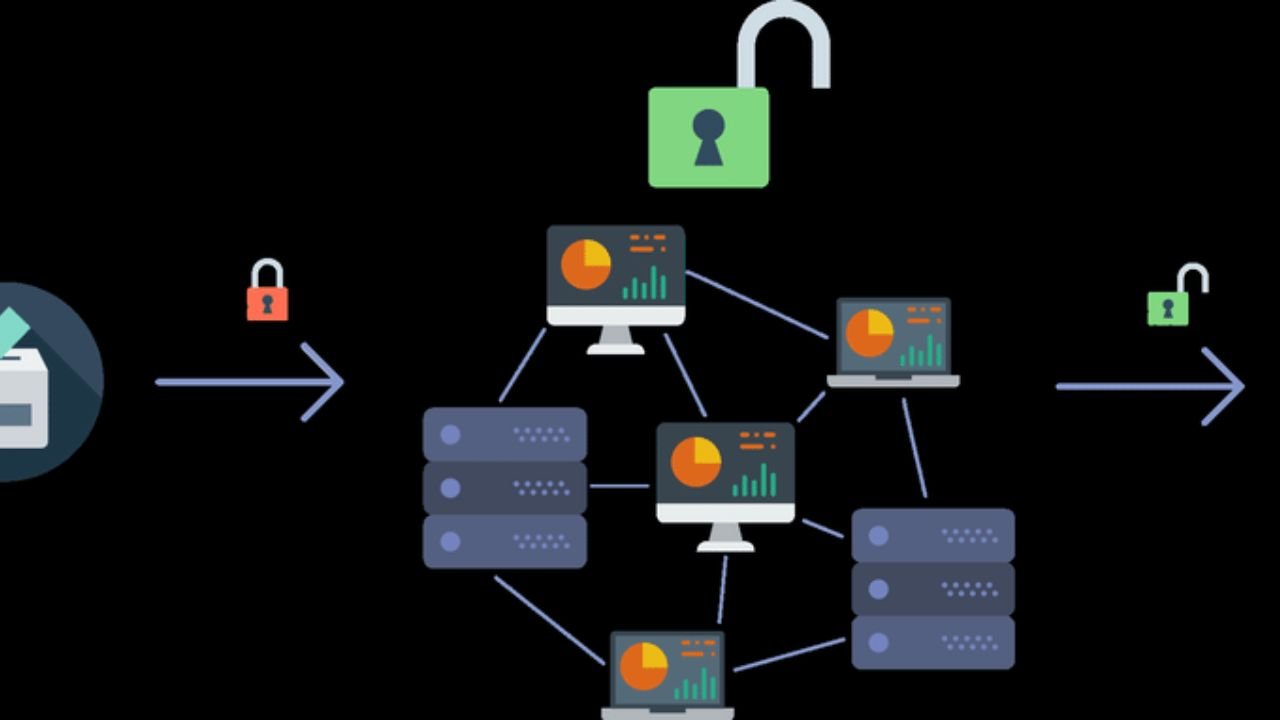
One of the most talked-about innovations in voting systems is blockchain technology. Blockchain, the same technology behind cryptocurrencies like Bitcoin, offers a decentralized, tamper-proof ledger. By using blockchain for voting, it becomes nearly impossible to alter or hack votes once they are cast. This level of security is crucial in ensuring the integrity of elections and protecting them from interference or fraud.
Blockchain also offers transparency. With traditional voting systems, it’s often difficult for the public to verify the accuracy of the count, especially when voting machines are involved. Blockchain, however, can provide an immutable public ledger, enabling anyone to track and verify votes in real time. This could be particularly beneficial in tight races where every vote counts.
Online Voting: Expanding Accessibility
Online voting has been a topic of discussion for years, but recent technological advancements have made it a more viable option. The COVID-19 pandemic accelerated the push for remote voting solutions, and many countries are now exploring online voting systems to make the process more accessible, especially for overseas voters, military personnel, and people with disabilities.
Online voting could allow citizens to cast their ballots from anywhere in the world, using secure, encrypted systems. By making voting more convenient, it could increase voter turnout, particularly among younger generations who are more familiar with digital technologies. However, it also raises questions about how to ensure that the system is secure and immune to cyberattacks.
Biometric Verification: Enhancing Voter Identification
Biometric verification, which includes fingerprint scans, facial recognition, and iris scans, is another innovation being explored to improve the security of voting systems. With the rise of identity theft and voter impersonation, biometrics can help ensure that only eligible voters are casting their ballots. Biometric systems could replace traditional voter ID cards, making the process faster and more secure.
While biometric identification could significantly reduce fraud, it also raises concerns about privacy. The storage and use of biometric data could expose individuals to risks if the data is not properly protected. Therefore, strict regulations and guidelines would need to be in place to ensure the privacy and safety of personal data.
Challenges Facing the Future of Voting Systems
Cybersecurity Threats
One of the most pressing challenges of modern voting systems is cybersecurity. With the growing reliance on electronic and online voting systems, there is an increased risk of hacking, data breaches, and foreign interference. In recent years, several nations have reported attempts by malicious actors to influence elections through cyberattacks, including hacking voter databases and manipulating voting machines.
To counter these threats, governments must invest in robust cybersecurity infrastructure, including end-to-end encryption, multi-factor authentication, and continuous monitoring of voting systems. Regular audits and transparency measures will also be necessary to ensure the integrity of election results and build public trust in the voting process.
Digital Divide: Ensuring Inclusivity
While online voting and other digital innovations offer numerous benefits, they also pose a significant challenge for certain populations. The digital divide—the gap between those who have access to modern technology and those who do not—remains a critical issue. In many rural areas, elderly communities, and low-income households, access to reliable internet and devices can be limited, making it difficult for people to vote online.
To address this challenge, governments must ensure that any move toward digital voting is accompanied by efforts to bridge the digital divide. This could include providing free access to technology, offering in-person voting options for those without reliable internet access, and ensuring that all voting systems are accessible to people with disabilities.
Public Trust and Resistance to Change
Introducing new technologies into the voting process can be met with resistance, particularly when it comes to issues of trust. Many voters have concerns about the security and accuracy of electronic and online voting, with some fearing that their votes could be tampered with or lost in transit. Public trust is crucial in any voting system, and any new technology must undergo rigorous testing, transparency, and verification before it is widely adopted.
Additionally, some people are simply resistant to change. The traditional paper ballot system has been in place for centuries and has a level of familiarity and reliability that many people find reassuring. To ensure the success of new voting technologies, governments must engage in public education campaigns that explain how the systems work, their benefits, and the security measures in place to protect voters.
The Path Forward: A Hybrid Approach
Given the complexity of the challenges and the potential of innovative technologies, the future of voting systems may not rely on a single solution. Instead, a hybrid approach that combines digital innovations with traditional voting methods could be the key to ensuring security, accessibility, and inclusivity. For example, electronic voting machines could be used alongside paper ballots as a backup, and biometric verification could be implemented alongside traditional voter ID checks.
In the future, a combination of blockchain, online voting, and biometric verification could coexist to create a robust, secure, and accessible voting system that serves all citizens, regardless of their geographic location, age, or technological access.
Conclusion: Embracing Change While Addressing Risks
The future of voting systems holds significant promise, but it is crucial to balance innovation with caution. As new technologies such as blockchain, online voting, and biometric verification continue to develop, they offer exciting possibilities for improving the voting process. However, they also introduce new risks and challenges, particularly in terms of cybersecurity, inclusivity, and public trust. To ensure that these innovations lead to a stronger, more accessible democracy, it is essential that we address these challenges head-on and implement safeguards that protect both the integrity of elections and the privacy of voters
Stay informed about the latest developments in voting technology and its implications for democracy. Visit mpmr.org to explore more articles on political systems, resistance movements, and the future of governance.