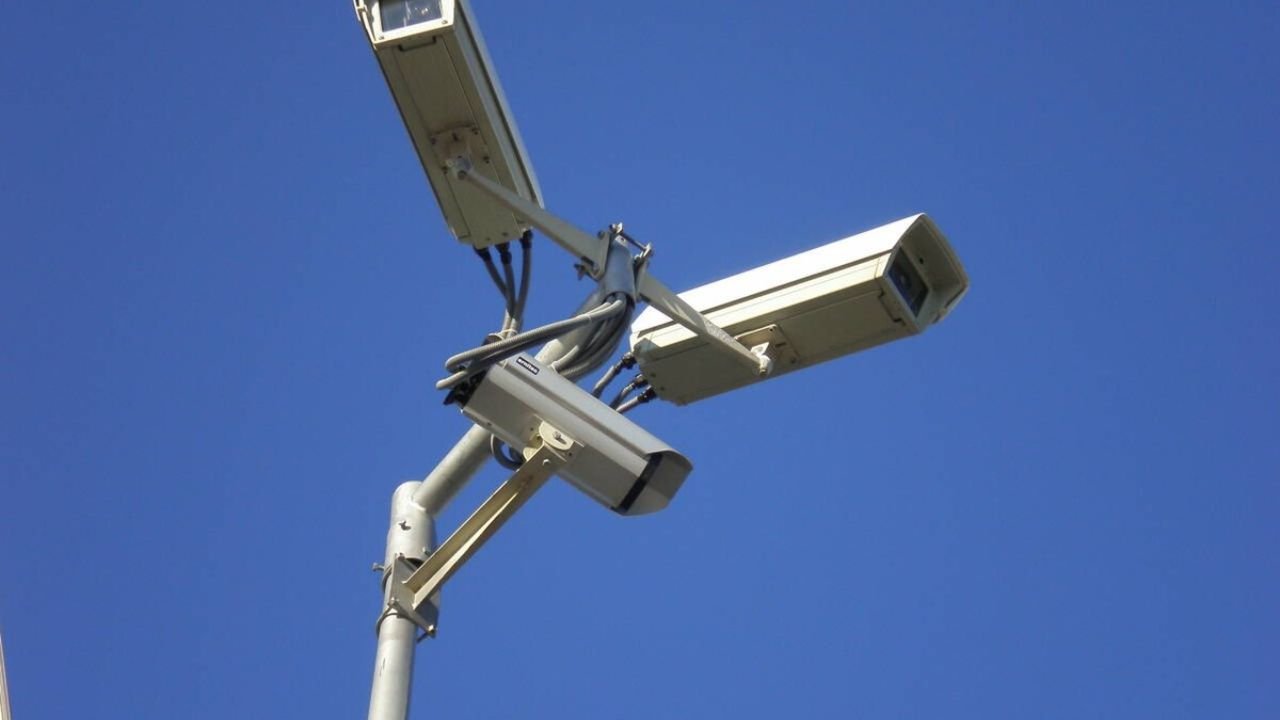
In an increasingly connected world, the architecture of surveillance states has evolved into a highly sophisticated and global phenomenon. What was once limited to isolated regimes or authoritarian governments has now become a reality in many countries worldwide, often justified as a means of ensuring national security and public safety. This article aims to provide an in-depth analysis of the architecture behind surveillance states, its implications for privacy, and its global impact.
The Emergence of the Surveillance State
The concept of the surveillance state can be traced back to early 20th-century totalitarian regimes, where controlling information and monitoring citizens were central to maintaining power. However, with the advent of modern technology, the scope and scale of surveillance have drastically expanded. Today, surveillance is not only a tool of state control but also a feature of our everyday lives, integrated into cities, workplaces, and even personal devices.
The architecture of surveillance states is not just about cameras on street corners or government databases. It involves a complex network of tools, policies, and technologies that work together to monitor, control, and sometimes manipulate public behavior. The proliferation of social media platforms, facial recognition systems, data mining, and other advanced technologies have made it easier than ever for states to track citizens’ movements, activities, and even their thoughts.
The Technological Foundations of Modern Surveillance
Modern surveillance is heavily reliant on advanced technologies. The rise of big data, artificial intelligence (AI), and cloud computing has transformed how governments gather and process information. Facial recognition technology is perhaps the most striking example of how surveillance has advanced. In many countries, facial recognition systems are now used in public spaces, allowing authorities to track individuals without their knowledge or consent.
Another critical technology in the surveillance architecture is data mining. Governments, corporations, and even rogue actors can gather vast amounts of personal data through internet activity, credit card usage, and social media engagement. This data is then analyzed using AI algorithms to predict behaviors, identify trends, and even anticipate potential threats.
While some governments employ these technologies for security purposes, such as preventing terrorism or criminal activity, there is an inherent risk of overreach. With little oversight, these technologies can be used to suppress dissent, monitor political opponents, and violate privacy rights.
Case Studies of Surveillance States
Several countries are notable for their extensive surveillance practices. One of the most well-known examples is China, which has developed what is often referred to as a “social credit system.” This system uses data from public and private sources, including facial recognition, to rate citizens based on their behavior, both online and offline. The system encourages conformity by rewarding those who follow rules and punishing those who do not, potentially denying them access to essential services like transportation or even employment.
In the United States, the Patriot Act, passed after the September 11 attacks, expanded the government’s surveillance capabilities significantly. Programs like PRISM have been used to collect data from private companies such as Google, Facebook, and Microsoft. Although these programs have been justified as necessary for national security, they raise important questions about the balance between safety and individual freedoms.
In Russia, the government has increasingly relied on surveillance technology to track its citizens. The Yarovaya Law, passed in 2016, requires internet providers to store users’ data for up to six months and give authorities access to encrypted communications. Surveillance in Russia is also deeply integrated with the state-controlled media, making it difficult for citizens to escape government influence, even in the digital sphere.
The Global Impact of Surveillance States
The rise of surveillance states has a profound impact on global society. While governments justify surveillance in terms of security, the loss of privacy and individual freedoms is a growing concern. In democracies, where citizens expect a degree of autonomy and freedom from government interference, the increasing reach of surveillance systems raises fundamental questions about accountability and the role of the state.
Additionally, the global nature of digital technology means that surveillance often transcends national borders. A citizen’s data in one country can be accessed, shared, or even sold to foreign governments or corporations. This global data exchange creates a complex web of power and control, where even the most well-intentioned surveillance systems can be exploited for political or economic gain.
As the internet and digital infrastructure become more deeply integrated into society, the architecture of surveillance will continue to evolve. 5G networks, for example, could potentially provide even more real-time surveillance capabilities, giving governments the ability to monitor individuals with unprecedented precision. Likewise, IoT (Internet of Things) devices, ranging from home assistants to smart appliances, are gathering data that could easily be co-opted for surveillance purposes.
Balancing Security and Privacy
The growing reach of surveillance systems has ignited debates around the world about privacy, human rights, and the balance between safety and freedom. While it’s understandable that governments want to protect citizens, it is crucial that surveillance measures are implemented with transparency, accountability, and respect for civil liberties.
International bodies, such as the United Nations and various human rights organizations, have called for stronger privacy protections in the face of growing surveillance. Calls for reform include limiting the use of facial recognition, creating data protection laws that prevent the misuse of personal data, and ensuring that citizens have a clear understanding of how their data is being used.
The challenge lies in creating systems that allow for security without sacrificing privacy. For this balance to be achieved, states must develop stronger frameworks for transparency and accountability. It is vital for democratic institutions to have oversight over surveillance technologies to prevent abuses of power.
Conclusion: The Future of Surveillance
As we move further into the 21st century, the architecture of surveillance states will continue to expand and evolve. The rise of new technologies and the global interconnectedness of digital systems mean that surveillance will become an even more significant part of the social and political landscape.
While surveillance can undoubtedly play a role in enhancing national security, it is essential that governments implement these measures carefully and with respect for the rights of individuals. The ongoing debate about surveillance will shape the future of democracy, privacy, and freedom across the globe.
To learn more about the evolving dynamics of surveillance and its implications, visit mpmr.org for more articles on the intersection of technology, politics, and human rights.